Most of what a press conference tells you happens before anybody says anything interesting. Who walks in. Whether they sit down and start talking or wait to be asked. How long the whole thing runs. By the time a manager is answering a question about the second goal, the informative part is usually over.
This is not about detecting deception, and it is not a claim that a manager who does one of these things is hiding something. It is about noticing decisions. A press conference is staged, and a staged event contains choices, and choices are evidence of what somebody wanted the room to come away with.
Six of those choices are visible from the broadcast, repeat across clubs and codes, and mean something specific often enough to be worth watching for. Each one also has a boring explanation that is right a good share of the time, and the boring explanation is listed alongside it.
Six tells, in one screen
- Who is on the podium. The casting decision is made before the room opens, and it is the least accidental thing in the session.
- Whether there is an opening statement. An unprompted opening means the frame was decided in advance.
- How an injury is described. Grammar first, diagnosis later. The passive voice is doing specific work.
- Who the pronouns hold responsible. Movement between we, they and I inside a single answer is the tell, not the pronoun itself.
- What gets a date attached. A dated answer is a commitment; an undated one to a question that invited a date is a refusal.
- Who ends the session. The last thirty seconds are the least managed part of the whole event.
What a post-match press conference is built to do
The format exists because competitions require it. Most senior leagues and tournaments oblige clubs to make a coach and often one or two players available within a set period after the final whistle, and the obligation is contractual rather than voluntary. That single fact explains more about these sessions than anything else.
An event somebody is required to hold is designed to be survived rather than used. The club’s objective is usually to produce a small number of quotable, harmless lines, get through the difficult subject once, and finish. The reporters’ objective is to get one thing that is not already known. Those objectives are not opposed, but they are not aligned either.
What follows from this is that the club controls almost everything except the questions. It controls who appears, in what order, how long the session runs, where it is held, and frequently who is called to speak. Reading the session means reading those controls, and it is a different skill from reading the answers themselves.
Tell one: who is on the podium
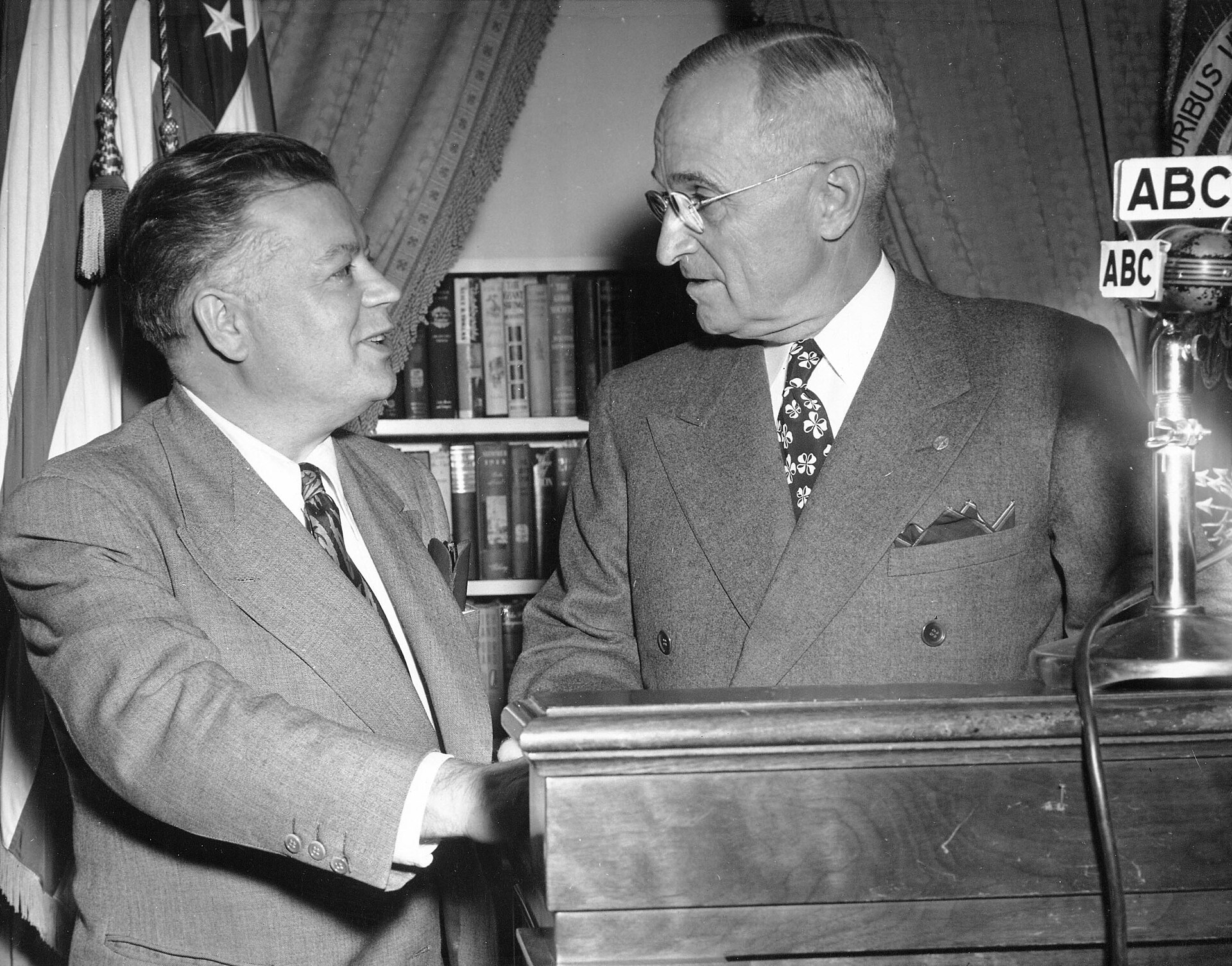
The casting is decided before the session and it is the clearest signal available. A manager appearing alone after a heavy defeat is a club limiting exposure, which is entirely reasonable and also informative. A manager appearing with a player is a club that has decided a player can carry part of the session.
Which player carries more information than whether. After a win, the scorer or a debutant is a good-news choice and tells you nothing except that somebody is doing their job. After a defeat, a captain is a collective-responsibility choice, while a young player is unusual and often means the senior figures were unwilling. A player who has been publicly criticised in the previous week appearing on the podium is either a demonstration of support or an exposure, and which one it is becomes clear from whether the manager sits beside him.
The boring explanation is a rota. Many clubs set media duties in advance, sometimes weeks out, and the player who appears is simply the player whose turn it was. Before reading anything into a casting choice, it is worth knowing whether the club operates one, because half the apparent signals disappear once you do.
Tell two: the opening statement, and what it leads with
Some formats always begin with a statement and some never do. Where it is optional, a manager who opens unprompted has decided the frame in advance, and the first subject he raises is the one he most wants settled before questions start.
Leading with the performance is neutral. Leading with an injury is agenda-setting: the club has decided the story for the next few days and would rather deliver it than be asked. Leading with a refereeing decision is a choice to spend something, since criticism of officials is sanctionable in most competitions, and a manager who does it first has weighed that cost and accepted it.
Leading with an apology, to supporters or to anybody else, is the most consequential version. It converts the session from an assessment into a response, and it is almost never spontaneous. Someone drafted it, and the phrasing will be reused in a club statement within a day.
Tell three: an injury described in the passive
Injury language is unusually formulaic, which makes departures from the formula easy to spot. The standard construction is agentless and non-committal: he will be assessed, there is something there, we will know more in a couple of days.
That grammar covers two very different situations and one detail separates them. Genuine uncertainty, where nobody has scanned anything yet, normally comes with a timeframe attached, because the manager knows when he will find out. A decision not to disclose usually comes without one, because attaching a date creates an obligation to say something on that date.
Two cautions belong here and both are serious. Medical information about an employee is restricted in most jurisdictions and a manager may be legally unable to describe a diagnosis. And immediately after a match he frequently does not know, because the player has not been examined. Reading concealment into vagueness ninety minutes after an injury is usually wrong, and it is the point at which this kind of analysis most often turns into something that does the player no favours. Anyone covering long absences should already be reading them against what is now understood about the pressures around players.
Tell four: who the pronouns hold responsible
The pronoun itself means very little. Some managers say we about everything as a matter of habit, and in several languages the construction is standard rather than chosen. What carries information is movement inside a single answer.
A manager who begins an answer with we and ends it with they has stopped defending somewhere in the middle, and the point at which he switched marks the thing he is not prepared to own. A manager who moves the other way, from criticism to we, is closing the subject rather than opening it.
First-person responsibility depends entirely on timing. A manager who takes the blame before anybody asks is usually protecting players and drawing attention toward himself deliberately. A manager who takes it after three questions pushing him toward it has conceded rather than volunteered, and the two read identically in a transcript. Only the running order distinguishes them, which is one reason a clip is a poor substitute for the full session.
Tell five: what gets a date attached
Dates are commitments. A manager who says a player will train on Thursday has created a checkable claim, and he knows it. A manager who says the situation will be resolved in the coming days has said nothing that can be tested.
The tell is not vagueness on its own. It is vagueness in response to a question that specifically offered a date. When a reporter asks whether a player will be available for a particular fixture and the answer describes a process rather than a fixture, the answer is a refusal delivered politely.
The inverse is worth watching too. An unprompted date, attached to something nobody asked about, is usually a club getting ahead of a story. It sets an expectation on the club’s own schedule rather than on a reporter’s, and it is one of the more effective moves available in a room where the club is also managing a commercial relationship with its audience.
Tell six: who ends the session
Endings are decisions and they are made under less preparation than anything else in the room. A press officer stepping in immediately after a particular question, when several reporters still have their hands up, marks that question as the one the club was not willing to continue.
A manager who ends it himself, by standing or by thanking the room, is a different signal. It usually means he has decided the session has stopped being useful to him, and it is more common after a run of results than after a single one.
The pattern worth tracking is where the last question comes from. A moderator who takes a final question from a friendly or rights-holding outlet after a difficult stretch is choosing the note the session ends on, and that choice is visible in the recording even when it is not visible in the room. None of this is unusual or improper; it is ordinary media management, and it becomes a story only when it is used to close down something that matters, which is when a controversy starts shaping the coverage rather than the other way round.
What each tell can and cannot support
| Tell | What it supports | What it cannot support | Boring explanation |
|---|---|---|---|
| Podium casting | A judgement about exposure | Anything about a player’s standing | A media rota set weeks earlier |
| Opening statement | What the club wanted framed | Whether the frame is accurate | A format that always begins with one |
| Passive injury language | That a diagnosis is unavailable or withheld | The severity of the injury | Nobody has examined the player yet |
| Pronoun movement | Where responsibility stops | Who was actually at fault | Habitual usage, or translation |
| Dates attached or withheld | What the club will be held to | What the club intends to do | The manager genuinely does not know |
| Who ends the session | Which subject was closed down | Why it was closed down | A flight, a coach, a broadcast slot |
Four things that break the reading
Translation is the largest. A session conducted through an interpreter loses tense, hedging and pronoun movement in both directions, and almost every tell in this piece depends on one of those. Reading a translated answer for grammatical signals is close to worthless, and it is the most common way this method produces a confident wrong conclusion.
Obligation is the second. Where a competition requires specific personnel to attend within a specific window, the casting decision was made by a rulebook rather than by a club. It is worth knowing the local requirement before treating an appearance as a choice.
Physical state is the third. A manager forty minutes after a match is tired, adrenalised and has spoken to a broadcaster already. Short answers, flat delivery and abandoned sentences are frequently exhaustion rather than evasion, and treating them as strategy overreads them badly.
Cultural convention is the fourth. Formality, the acceptability of criticising officials, whether a coach is expected to protect players in public, how directly disagreement is expressed: all of it varies by country and by competition. A style that reads as defensive in one league is standard in another. The reporting standards discussed by the Poynter Institute are a reasonable reference for where interpretation stops and assertion begins.
How to practise on a session you can rewatch
The method needs a full recording rather than a clip, and the difference between the two is most of the value. A clip removes the running order, and the running order is where several of these tells live.
Watch it once at normal speed and write down only the six structural facts: who appeared, whether there was a statement and what it led with, how any injury was phrased, where the pronouns moved, what carried a date, and how the session ended. Do not write down what anybody said about the match.
Then check yourself against the following week. Did the dated claim hold. Did the player who was described vaguely turn out to have something serious. Was the subject that ended the session the subject that dominated the coverage. Six or seven sessions of that will tell you which of these tells are reliable in the competition you cover and which are noise, which is a more useful answer than any general rule, including the ones above.
Frequently Asked Questions
Is this the same as reading body language?
No, and deliberately so. Body language interpretation has a poor record and it invites confident claims about internal states that nobody can verify. Everything listed here is a decision somebody made about how to stage a session, which is a fact about the club rather than a guess about a person.
Does a manager who refuses to answer have something to hide?
Frequently not. Refusals are also produced by legal restrictions, by competition rules about discussing officials or other clubs, by ongoing negotiations, and by a straightforward decision that the subject is nobody’s business. A refusal tells you a subject is sensitive, which is a much weaker claim than that something is being concealed.
Why do clubs send a player at all?
Usually because they are required to. Most senior competitions oblige clubs to provide access after matches, with penalties for failing to, which is why sessions happen after results where the club plainly wants nothing to do with the media.
Do these tells apply outside football?
Most of them do, with adjustments. Casting, opening statements, injury grammar and session endings all appear wherever there is a mandated media obligation. Formats where players are interviewed individually rather than on a podium remove some of the staging and with it some of the signals.
Should a reporter write about the staging?
Sometimes, and carefully. Who a club sent and how a session ended are facts and can be reported as facts. The inference drawn from them is not a fact, and the distinction between reporting the first and asserting the second is where this kind of analysis either earns its place or becomes speculation with a byline.
Watch the next full session with the sound down for the first thirty seconds. Who came in, in what order, and whether anybody started talking before being asked. You will have most of what the session was designed to do before a single question has landed.