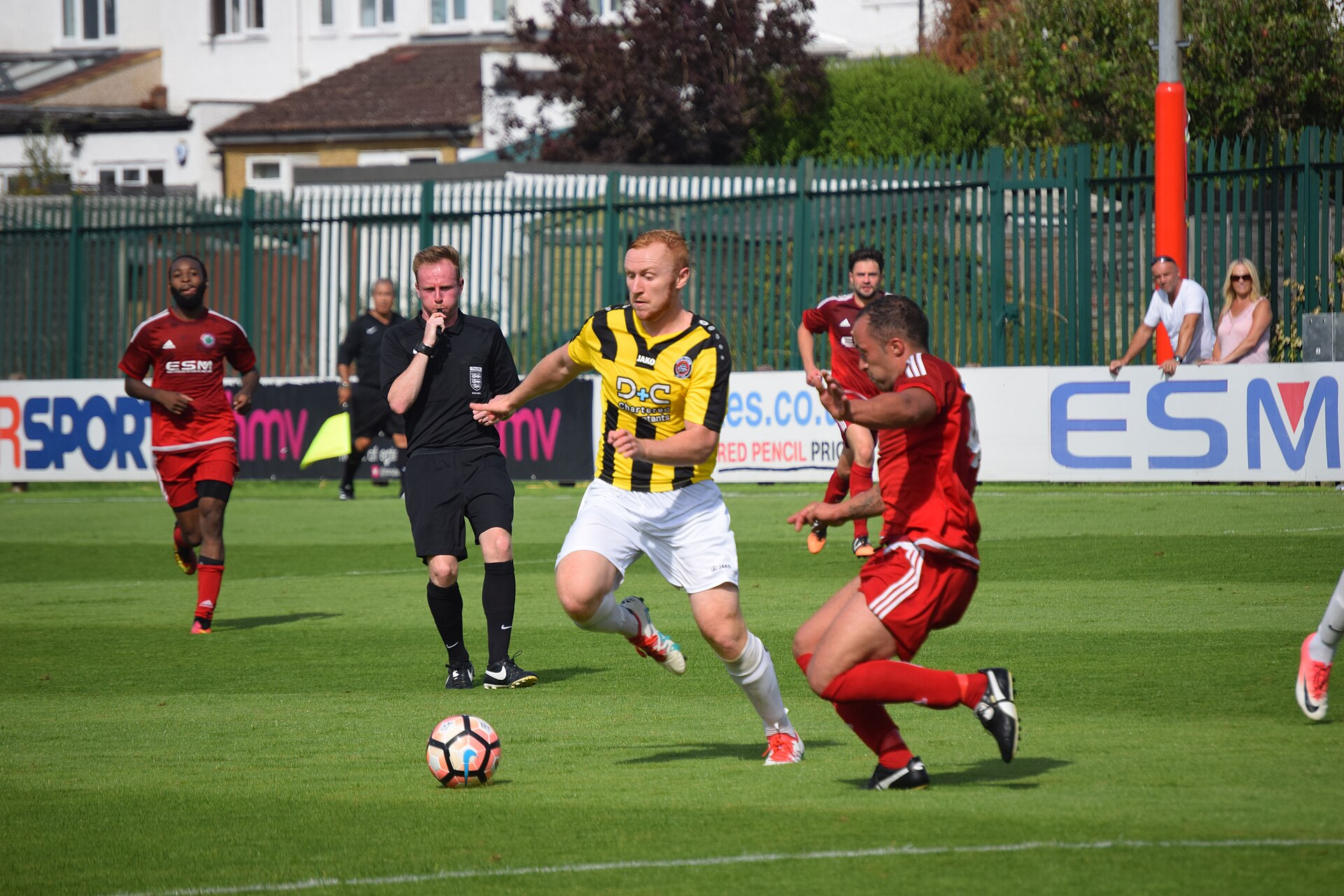
Did the Official Have a View? Ask Before You Judge
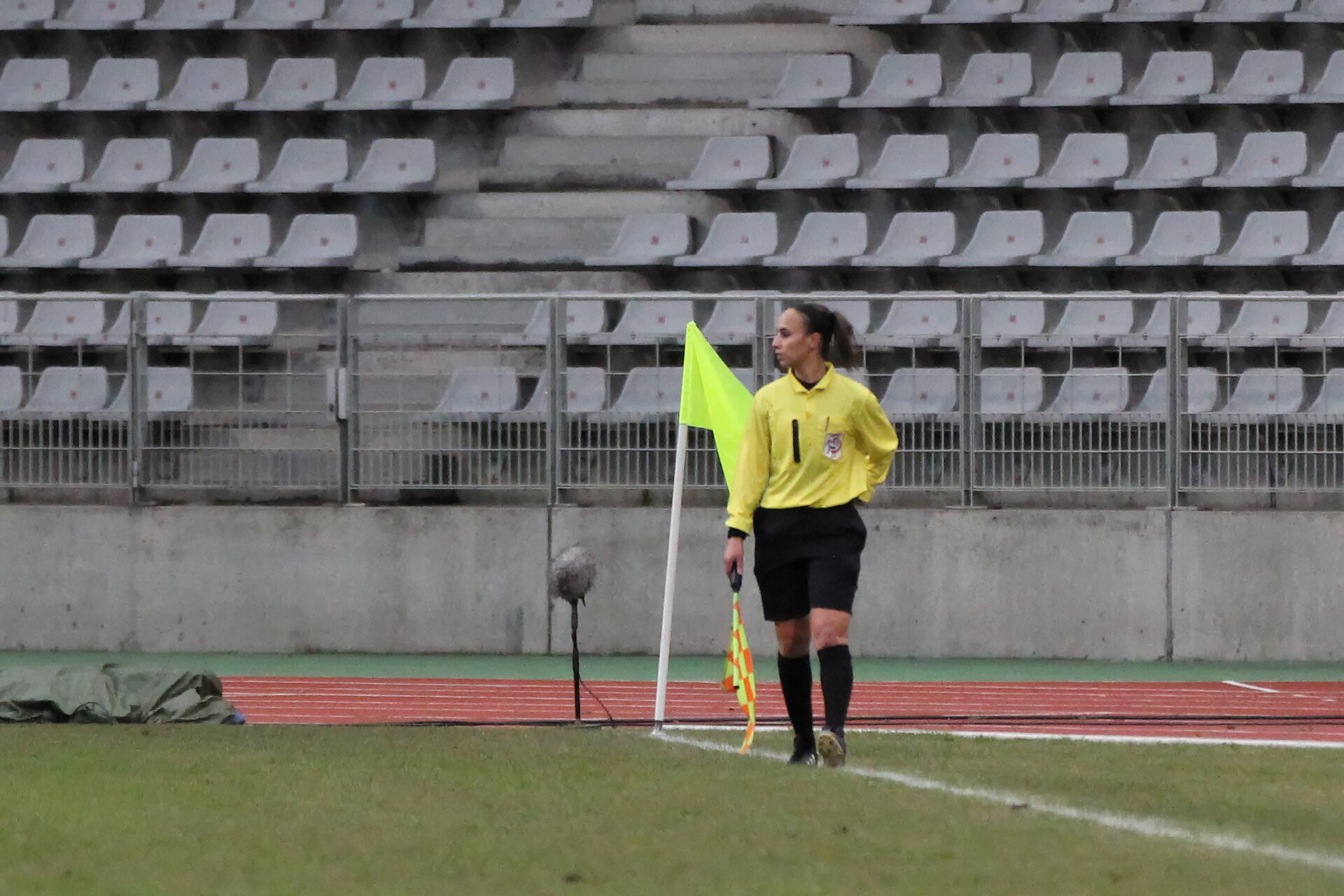
The referee positioning system behind football’s diagonal run and basketball’s three-official mechanics explains sight lines before a call is judged.
The referee positioning system behind football’s diagonal run and basketball’s three-official mechanics explains sight lines before a call is judged.
What research on momentum in sports has and has not found, and the perceptual reasons the narrative survives even where the evidence for it is thin.
Weather effects on football matches are measurable, not anecdotal: ball behavior, passing accuracy, injury type and substitution timing all shift with it.
Matches played without crowds became an accidental experiment. Here is what the empty-stadium seasons showed about which parts of home advantage were real.
The lead-out man delivers a sprinter to the final two hundred metres and is judged entirely by someone else’s finish. Pacing, wind and the release moment.
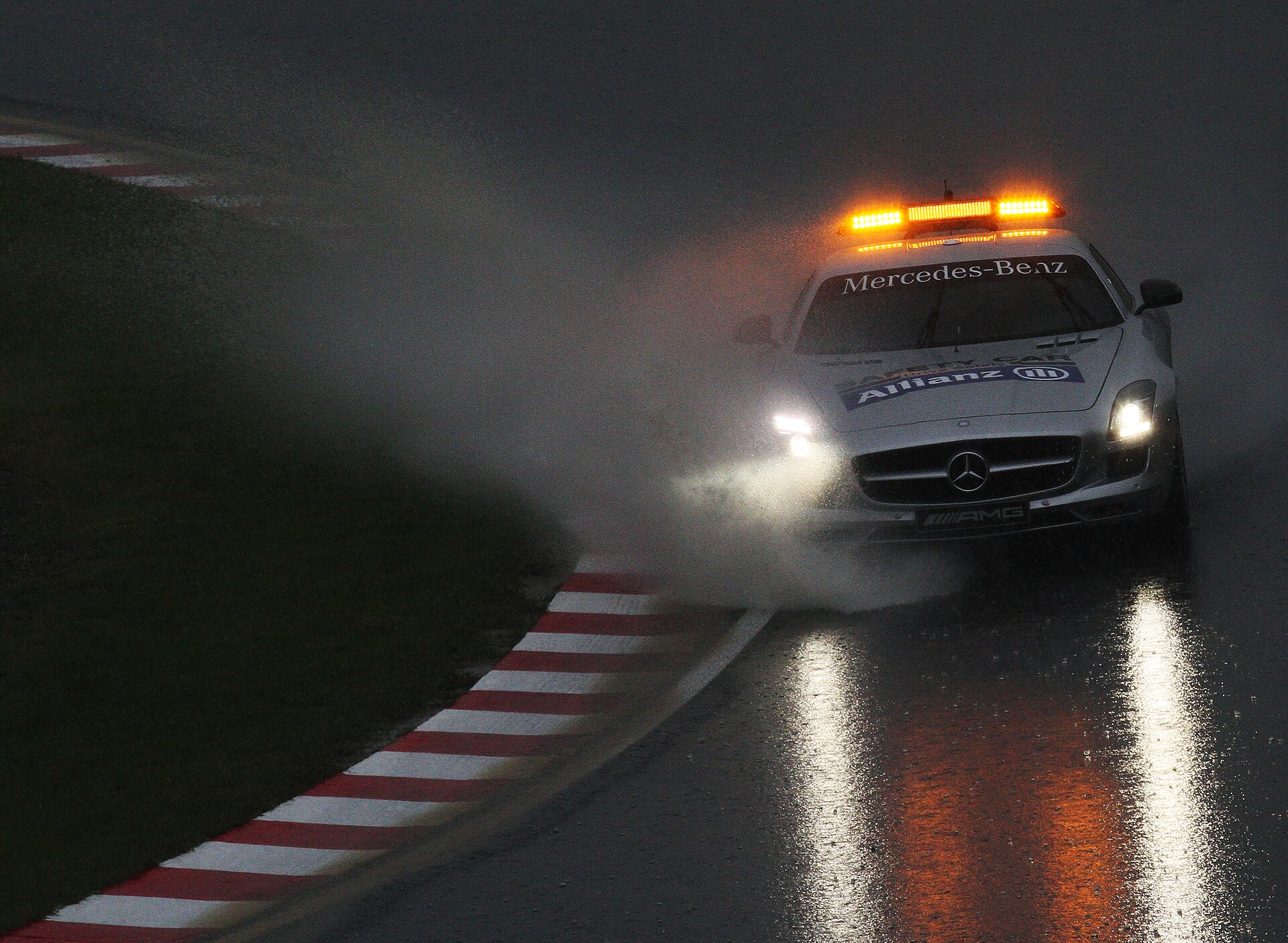
A safety car rewrites the economics of a race: cheaper pit stops, frozen gaps, and restart rules that punish strategy calls made under real uncertainty.
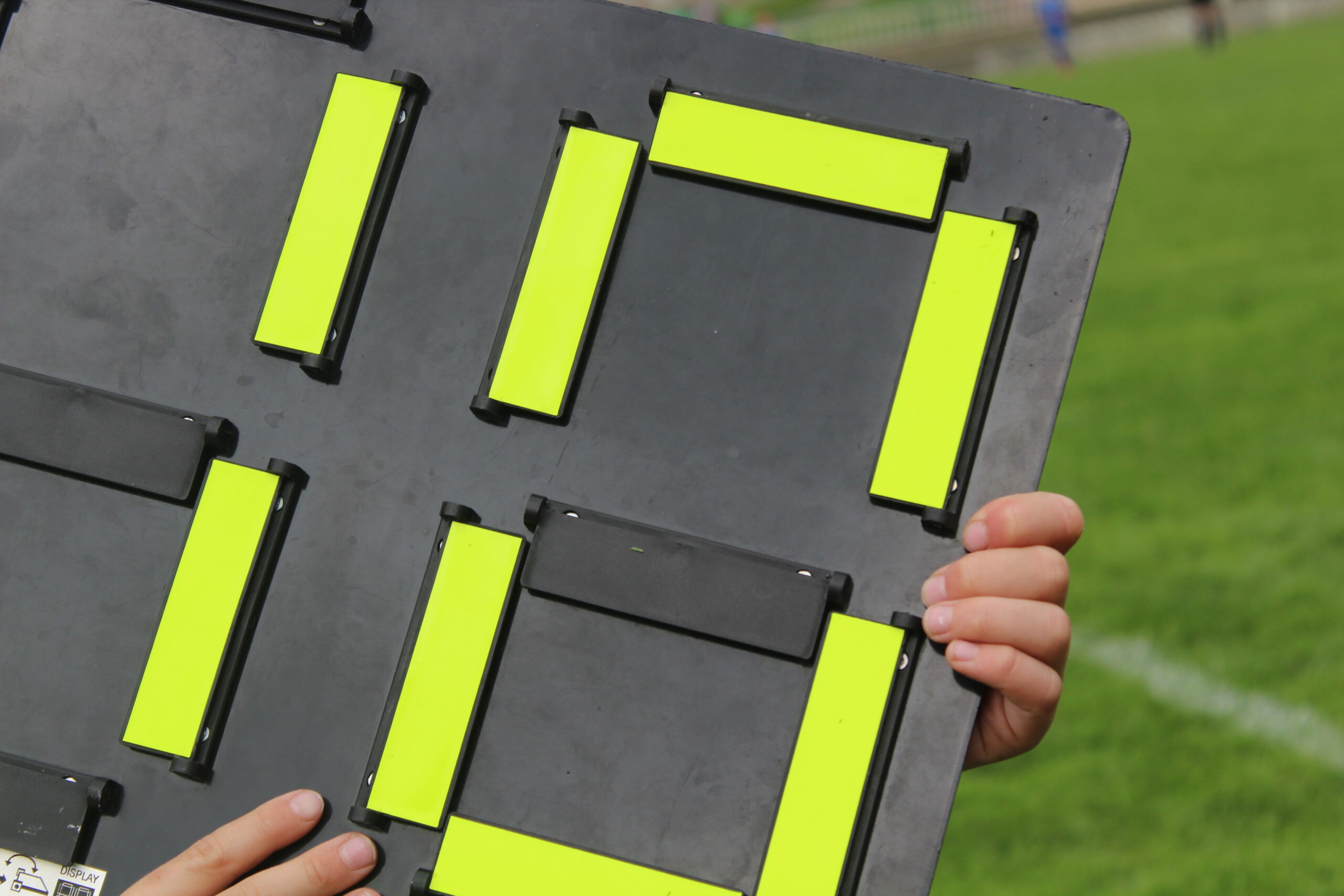
Five substitutes changed how the last ten minutes of a match play out: windows, concussion swaps, time-wasting, and what officials add back.
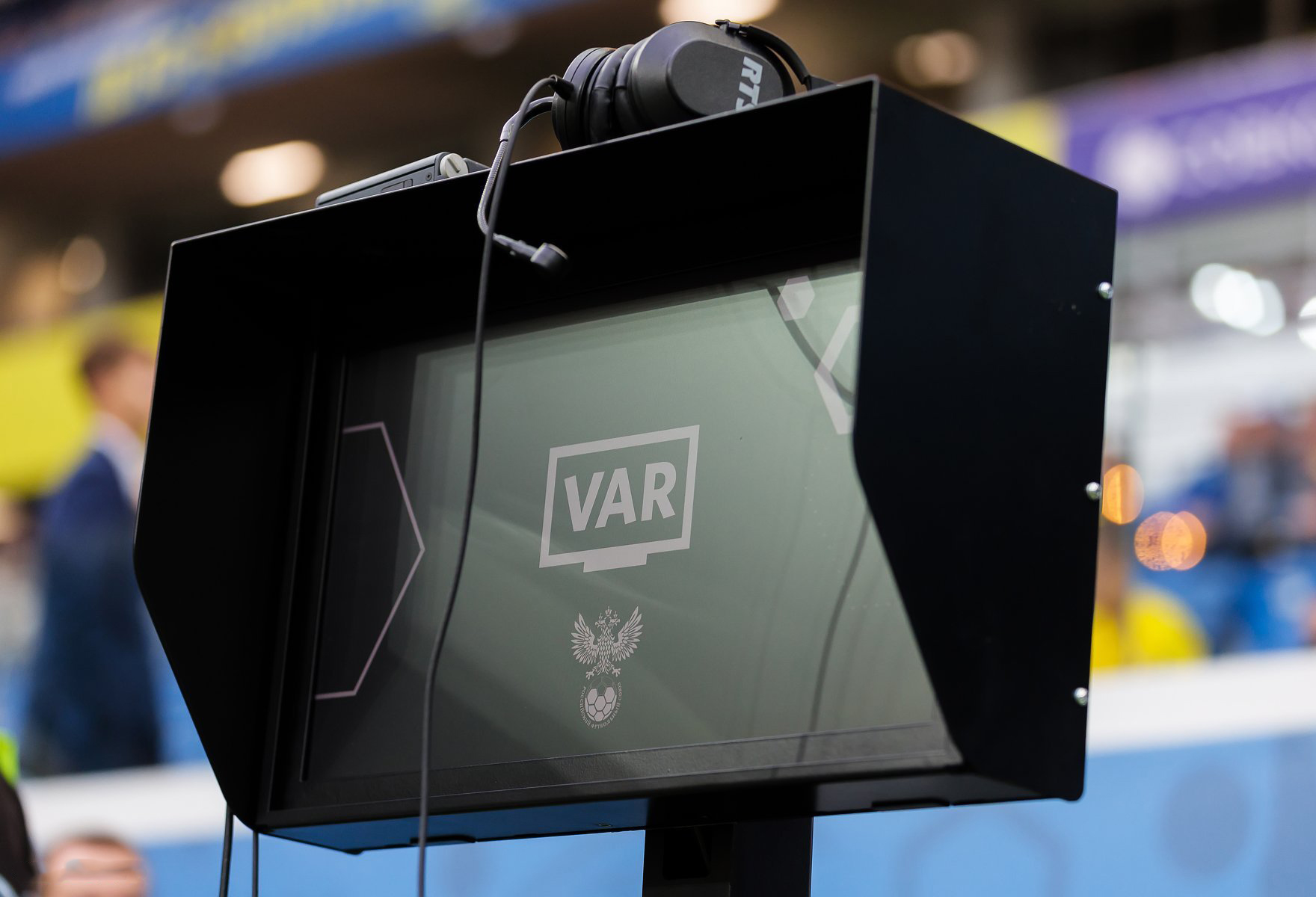
The video review threshold compared across football, American football, hockey and cricket: what triggers a check, what overturns a call and who decides.
Five offside rule situations decided by the wording of Law 11: the deflection, the deliberate play, the rebound, the stranded goalkeeper and level position.
Hybrid icing decided at the faceoff dot, the no-change rule that follows it, and the delayed penalty sequence coaches build late-period shifts around.