Ninety Minutes Against Ninety Seconds of Interview Time
A long form athlete interview and a ninety-second flash interview produce different, not competing, kinds of material, at very different costs to prepare.
A long form athlete interview and a ninety-second flash interview produce different, not competing, kinds of material, at very different costs to prepare.
Coach vs player interviews on the same question rarely match, and the gap is usually structural: different obligations, risks and audiences, not conflict.
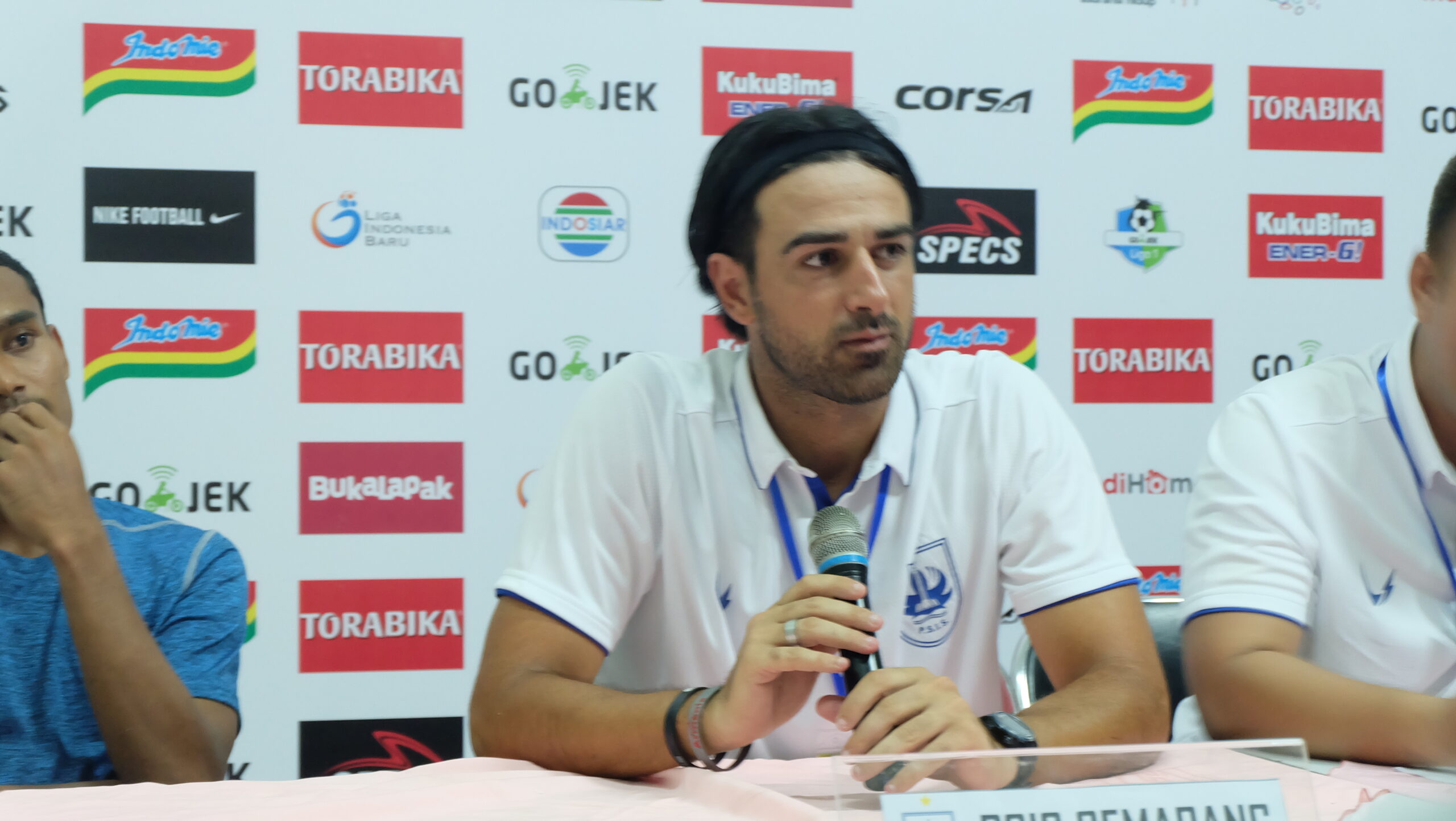
What a post-defeat interview actually obligates an athlete to give, what is customary rather than required, and where reporters most often overstep.
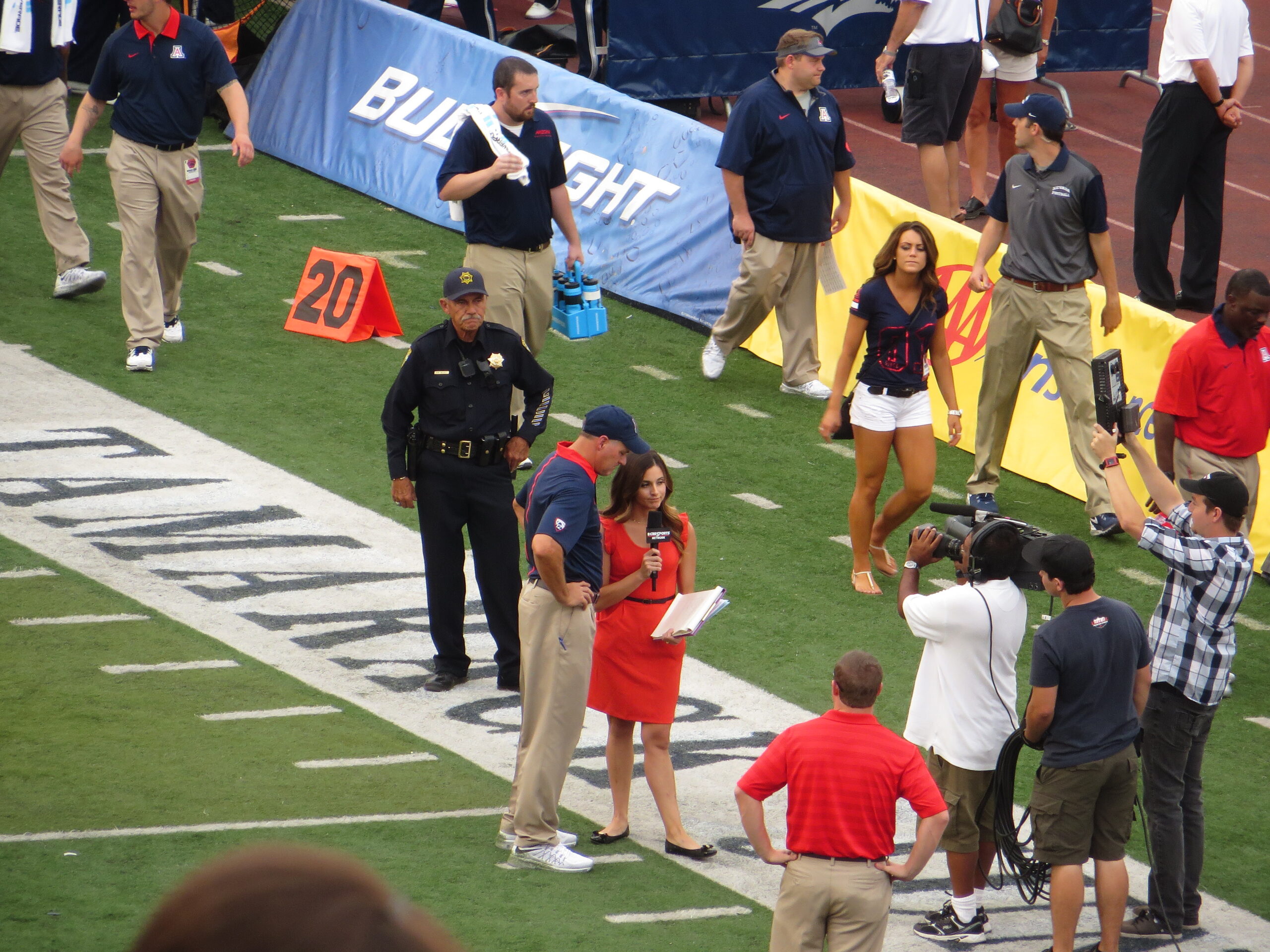
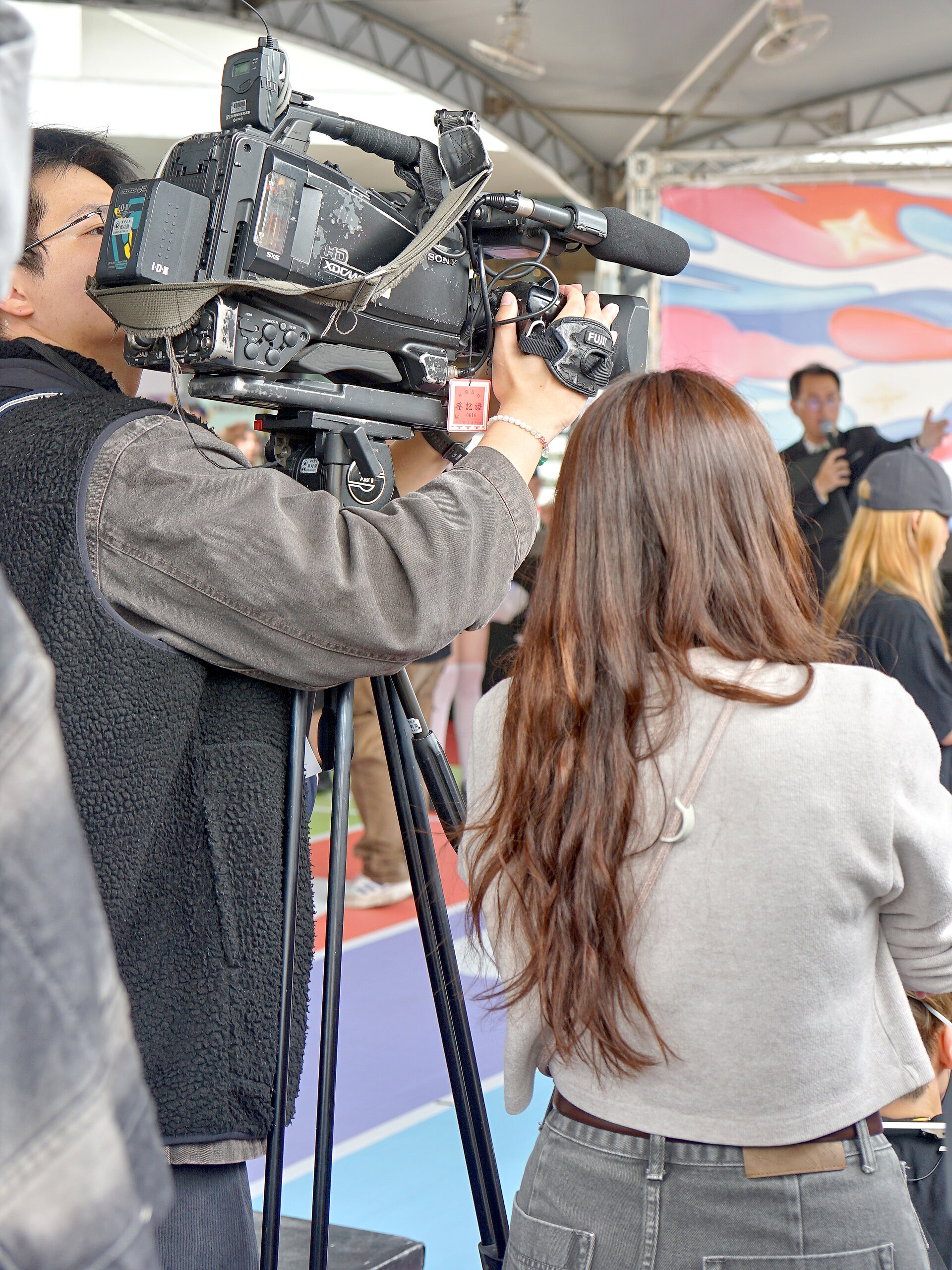
The sideline interview format gives an interviewer forty seconds, three questions and an athlete still running on adrenaline. Here is why that rarely works.
A contract year changes what a player can safely say. How representation shapes the recurring phrasing, what it protects, and what it forecloses.
Retirement announcements follow a recurring structure: platform, timing, gratitude, silence. What each choice signals about a planned exit or a forced one.
Athlete owned media replaced the press conference for some of the biggest names in sport. What changed in access, control, and accountability.
What interpretation removes from translated athlete interviews, and five rules for quoting a player who spoke to the room through an interpreter.
Interviewing athletes by position: why a goalkeeper answers a wide question well, why a striker needs a named moment, and the question that fails with both.
How the mixed zone works, who is obliged to walk through it, the time limits on a question, and why a corridor produces better answers than a podium.