What Disappears When an Athlete Speaks Through an Interpreter
What interpretation removes from translated athlete interviews, and five rules for quoting a player who spoke to the room through an interpreter.
What interpretation removes from translated athlete interviews, and five rules for quoting a player who spoke to the room through an interpreter.
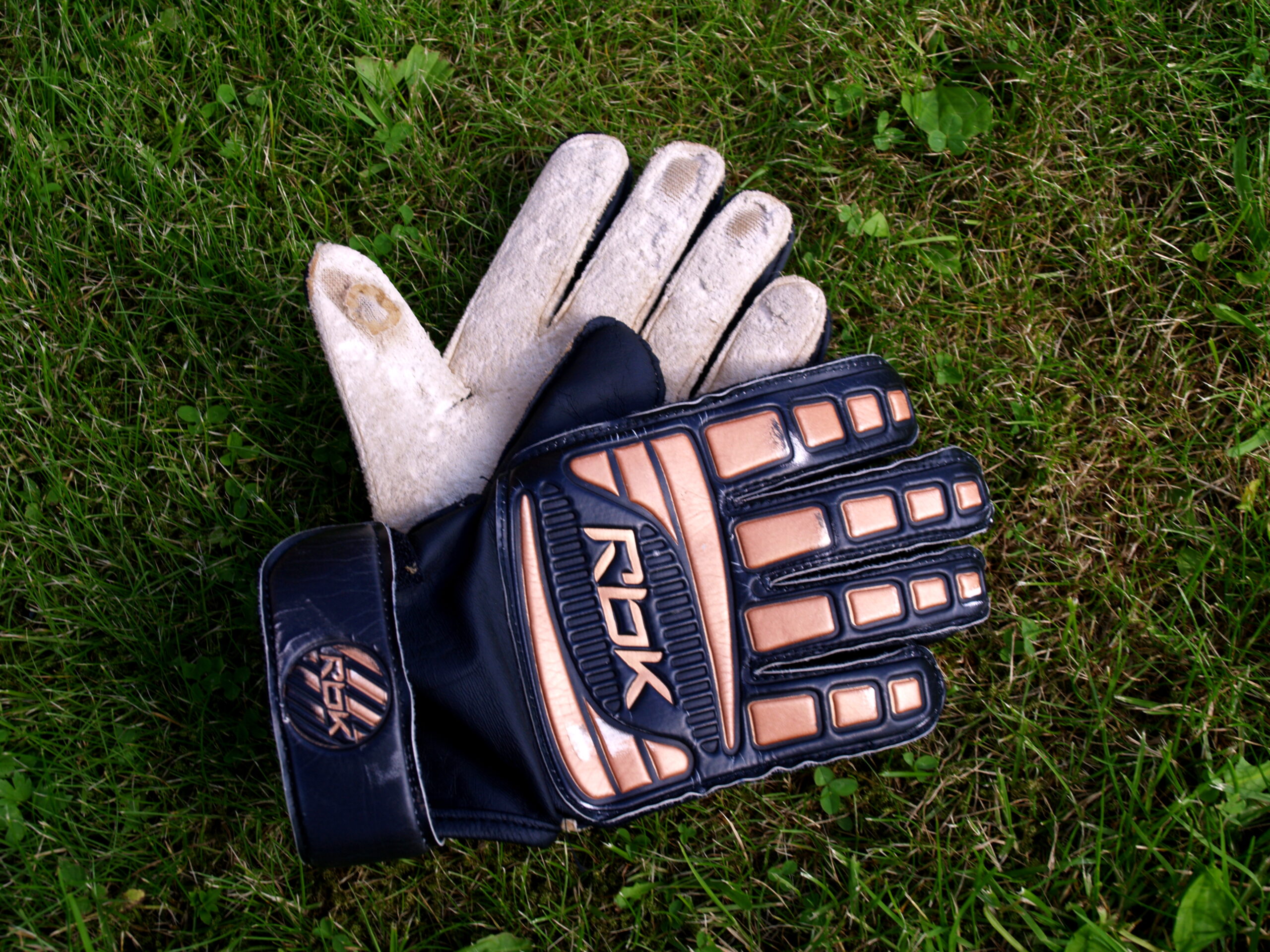
Interviewing athletes by position: why a goalkeeper answers a wide question well, why a striker needs a named moment, and the question that fails with both.
How the mixed zone works, who is obliged to walk through it, the time limits on a question, and why a corridor produces better answers than a podium.
What athlete injury disclosure rules require, the three constraints behind a vague answer, and a fairer standard for judging what a club can say.
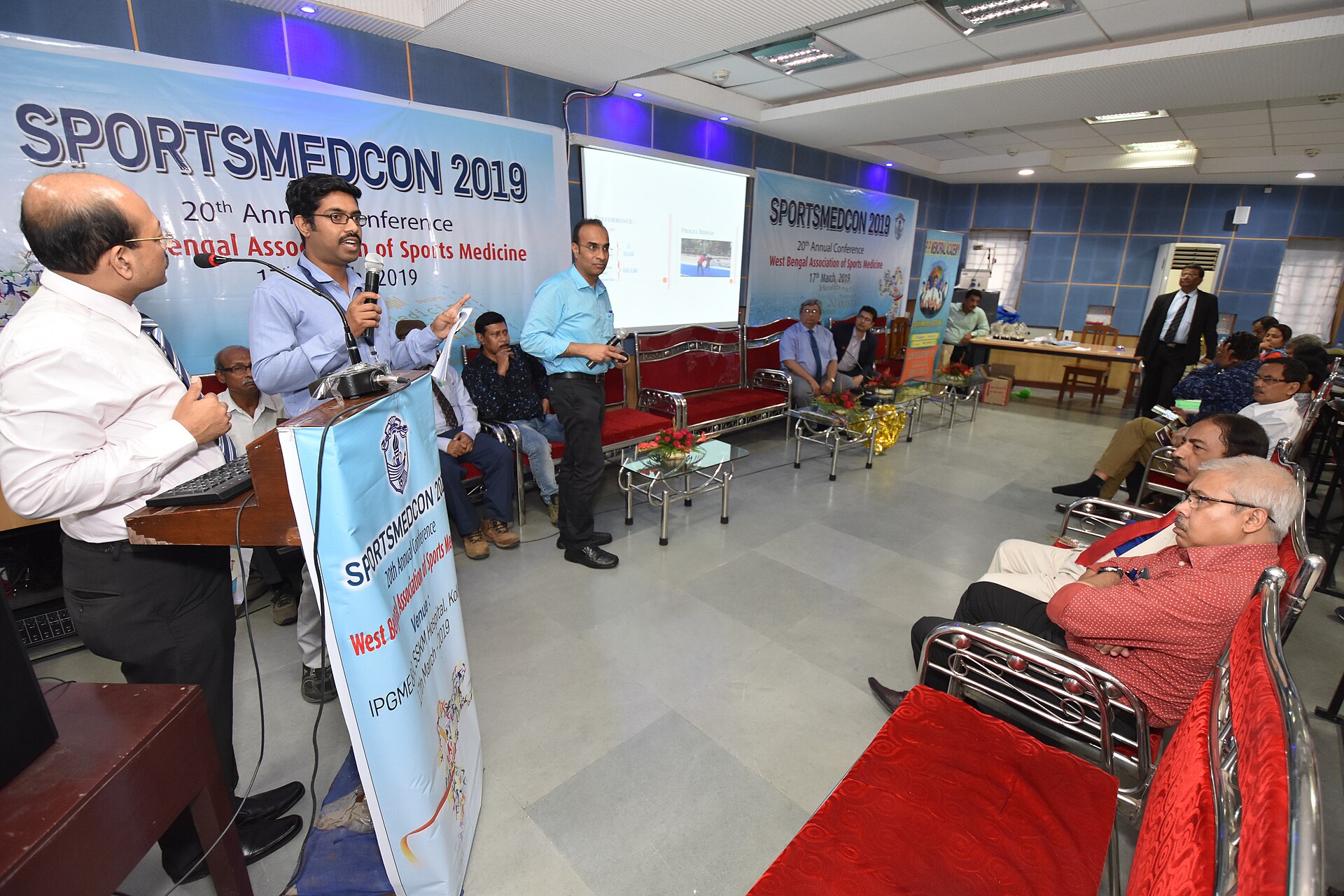
Six observable signals in a post-match press conference, from podium casting to passive injury language, what each supports and where the reading breaks.
Twenty sports interview questions grouped by situation, the reason each one works, and the three that should never be asked right after a whistle.
What athlete media training teaches, from bridging and flagging to the deliberate pause, how each one reads in a transcript, and what none of it proves.
Athlete interview cliches are compressed technical reports. Twelve stock phrases, what each one actually describes, and how much weight each can carry.
A preseason media day produces the same five stories every year. How the room is built, who controls the clock, and how to spot the genuinely new.