
Where the Euro Step Meets the Rulebook
The gather step rule sets the real limit on a euro step or a step-back. Here is where that boundary sits and why officials rarely call it.
The gather step rule sets the real limit on a euro step or a step-back. Here is where that boundary sits and why officials rarely call it.
The lead-out man delivers a sprinter to the final two hundred metres and is judged entirely by someone else’s finish. Pacing, wind and the release moment.
A safety car rewrites the economics of a race: cheaper pit stops, frozen gaps, and restart rules that punish strategy calls made under real uncertainty.
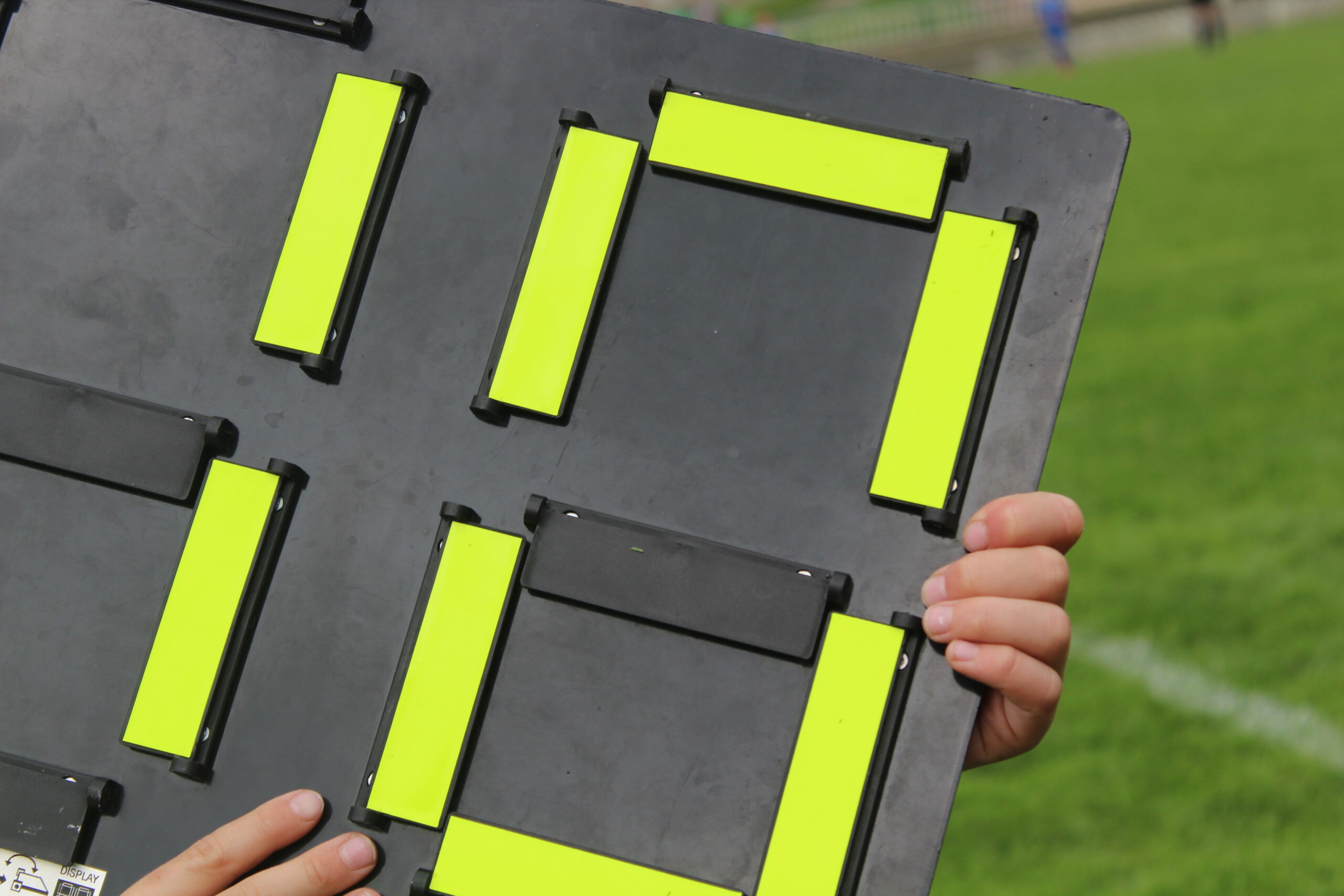
Five substitutes changed how the last ten minutes of a match play out: windows, concussion swaps, time-wasting, and what officials add back.
The video review threshold compared across football, American football, hockey and cricket: what triggers a check, what overturns a call and who decides.
Five offside rule situations decided by the wording of Law 11: the deflection, the deliberate play, the rebound, the stranded goalkeeper and level position.
Hybrid icing decided at the faceoff dot, the no-change rule that follows it, and the delayed penalty sequence coaches build late-period shifts around.
Intentional foul strategy priced properly: free-throw expectation, possessions actually gained, the margin where it turns negative, and the football versions.
How stoppage time is calculated in football: what Law 7 counts, what is estimated, why the board shows a minimum and what pushed the totals up.
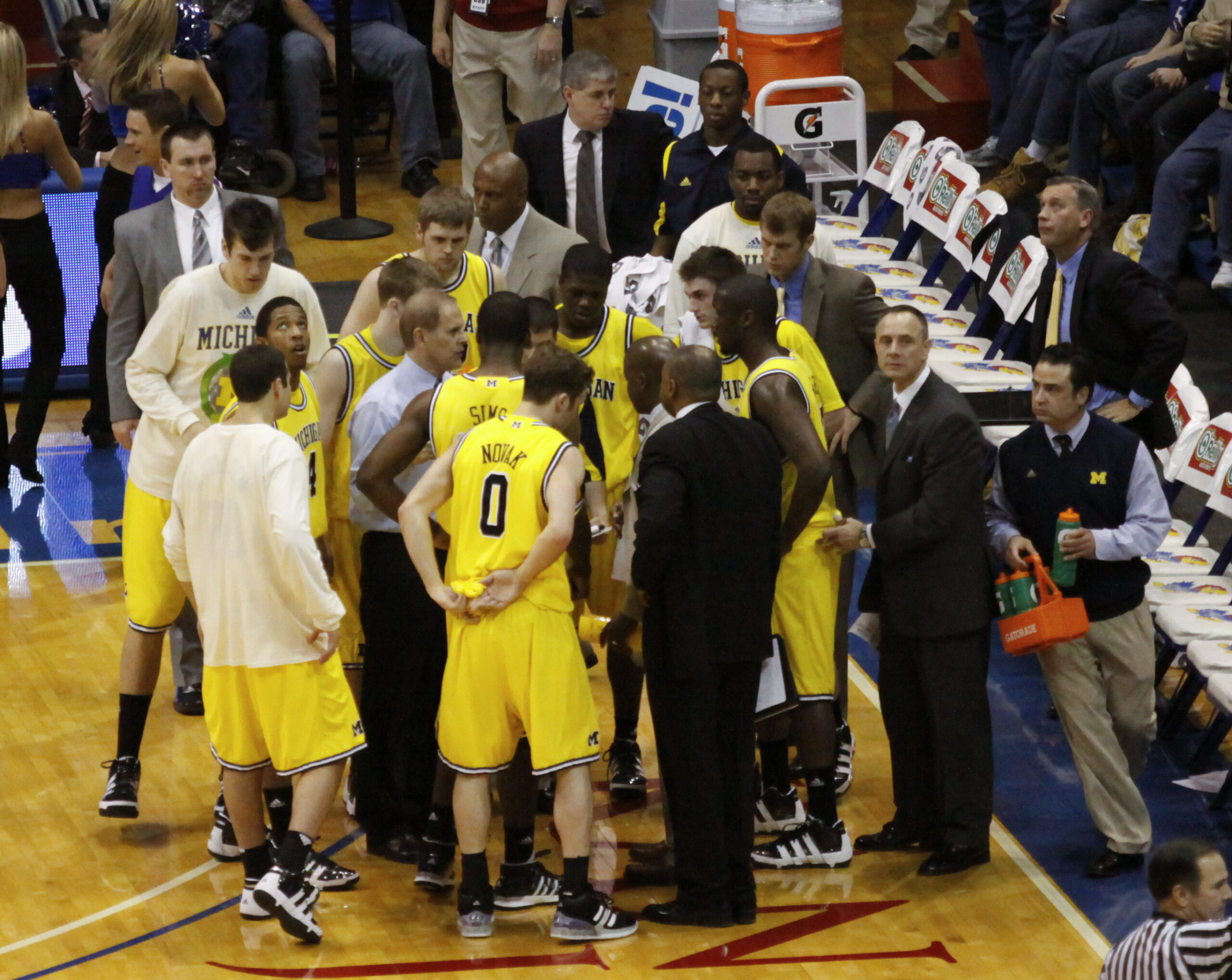
Basketball timeout strategy treated as a price rather than a habit: the three moments a stoppage costs more than it buys, and how to judge one live.