Restoration Recovers Some Detail and Invents the Rest
Restoring old sports footage means something different depending on the method: honest restoration recovers detail, interpolation invents plausible frames.
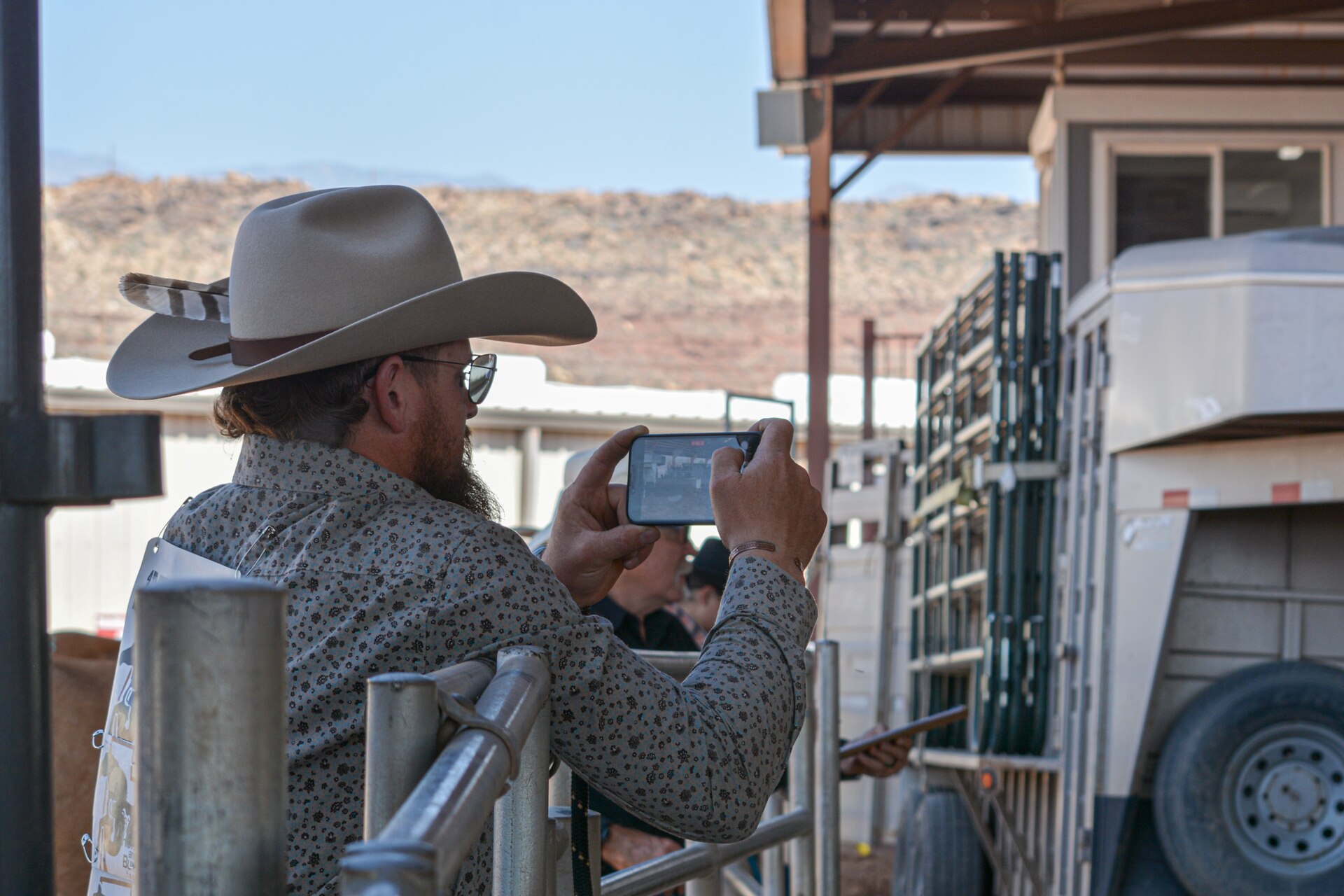
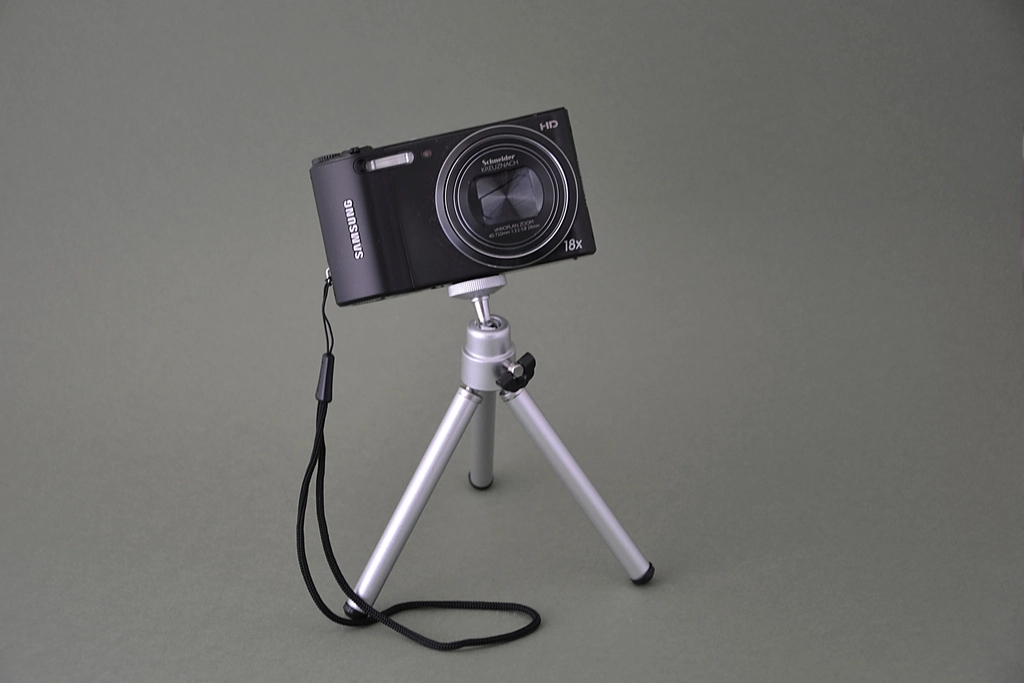
Filming youth sports well starts before kickoff: where to stand, which camera settings matter, storage habits and the consent rules for what to publish.
The football video analyst role covers capture, coding, opposition packages and player clips, and every editing choice inside it is a coaching decision.
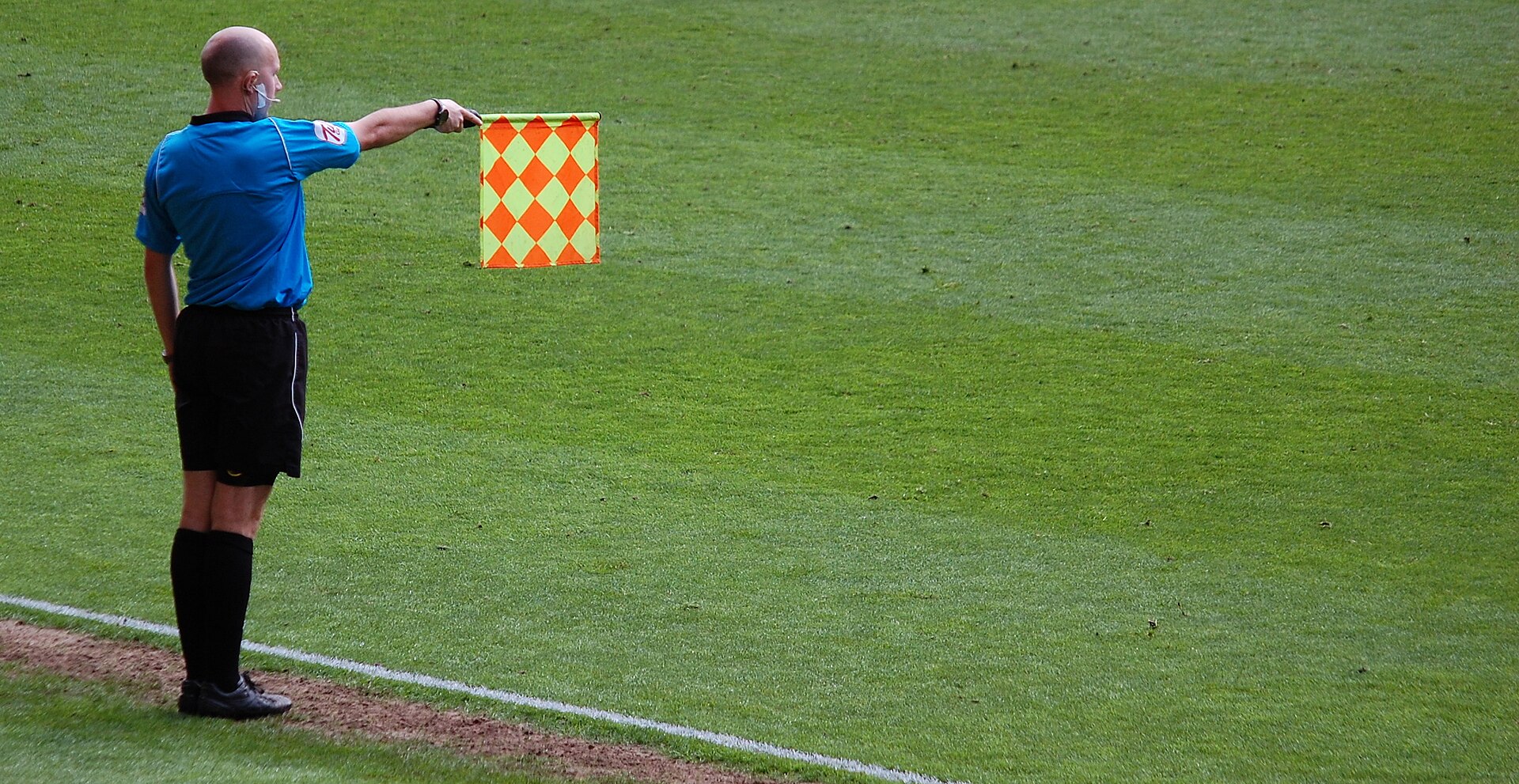
Offside line technology looks exact on screen, but frame selection, calibration and line thickness all carry a margin of error the graphic never shows.
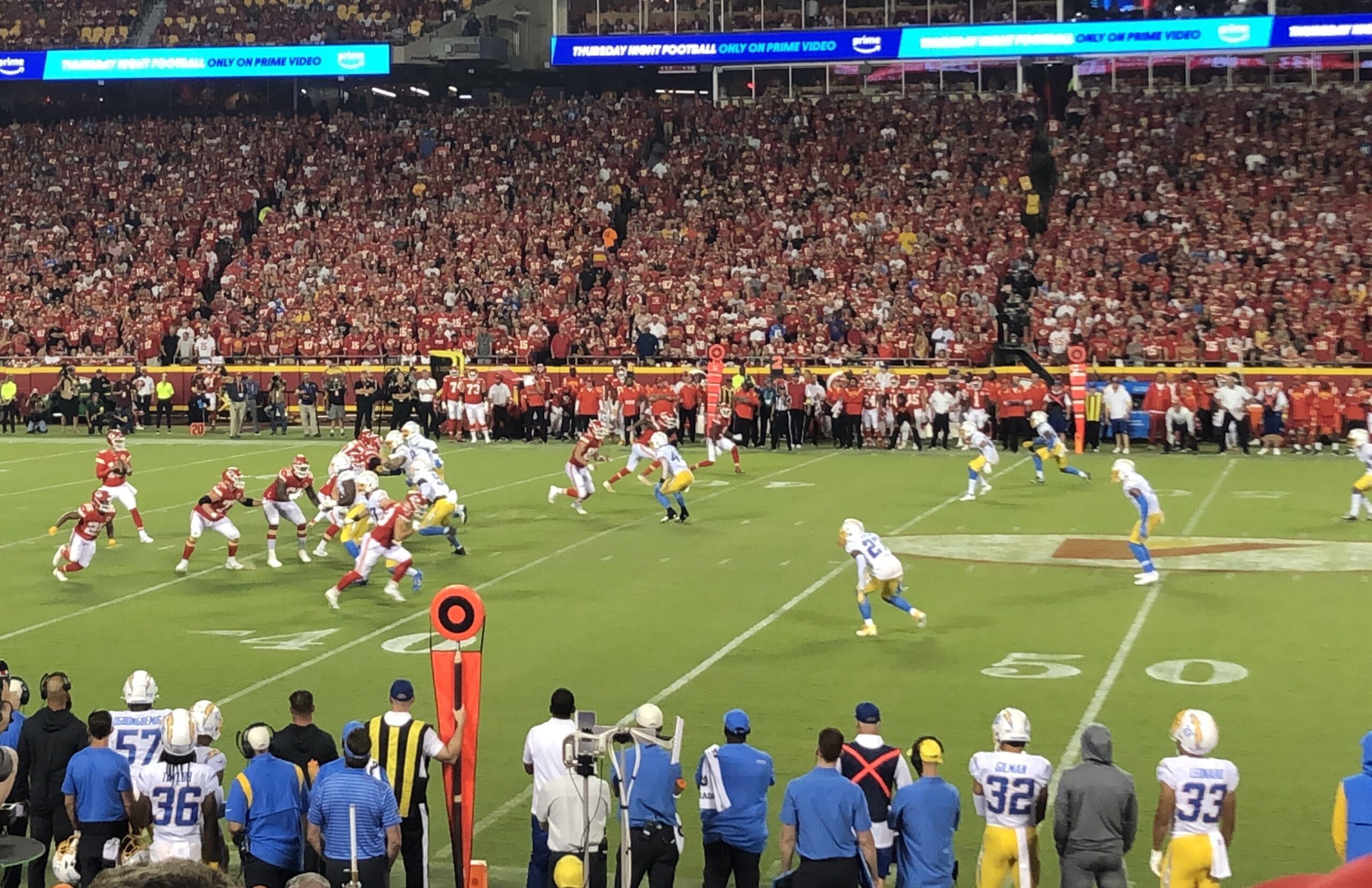
Short form sports clips favor outcome over build-up, and that editing choice is quietly reshaping what an entire fan base remembers a season for.
Broadcast graphics judged on one test: does the viewer understand the play faster. Offside lines, pressure indicators and speed readouts, compared honestly.
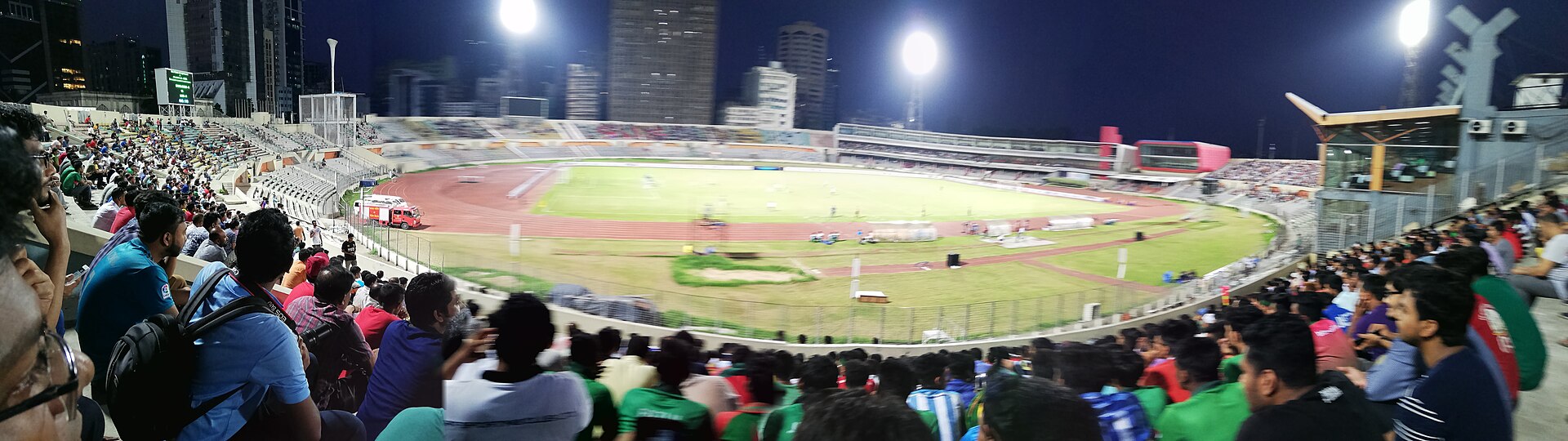
Ambient audio, not commentary, is usually what makes a highlight feel decisive. How effects microphones, crowd beds and mixing choices build that feeling.
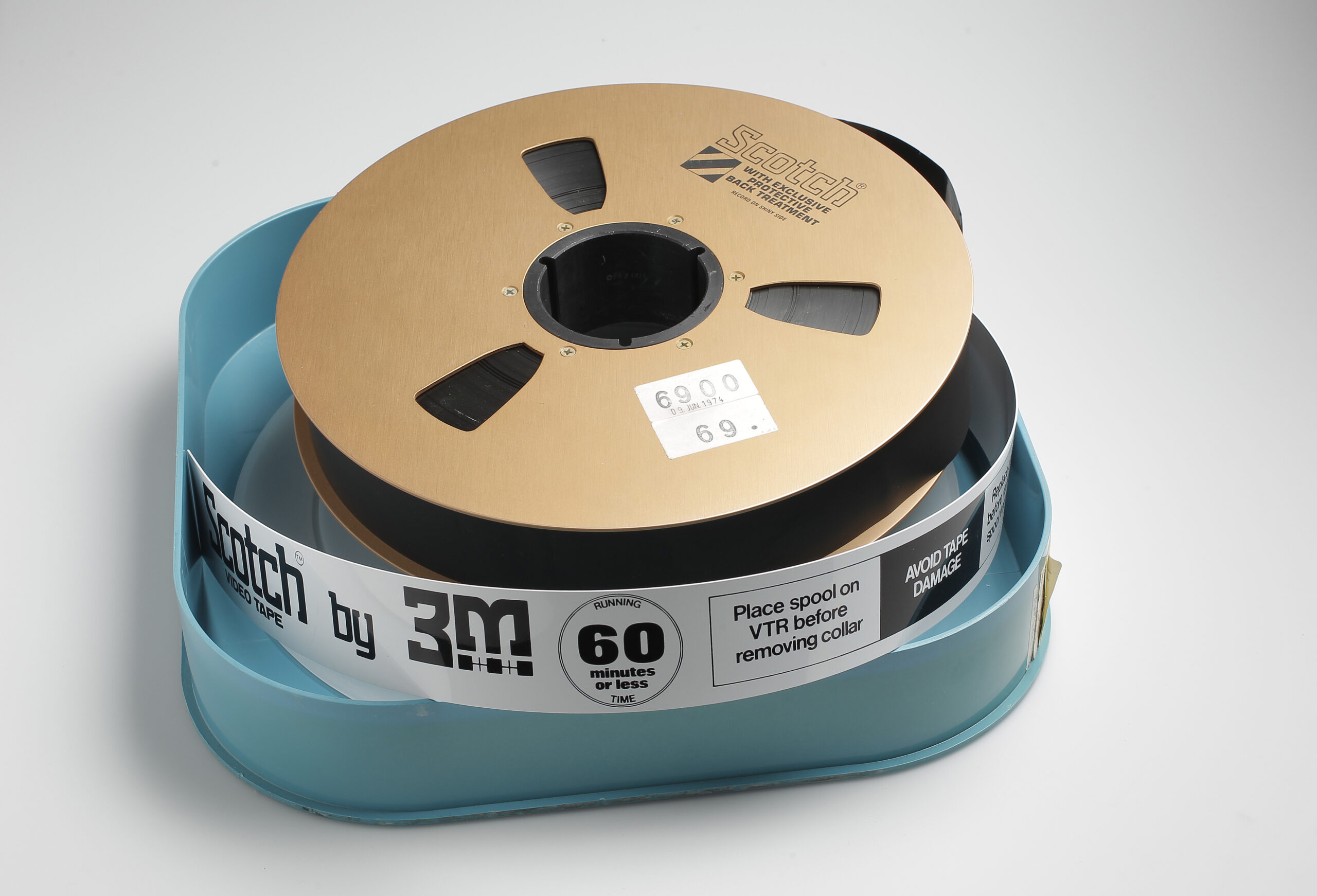
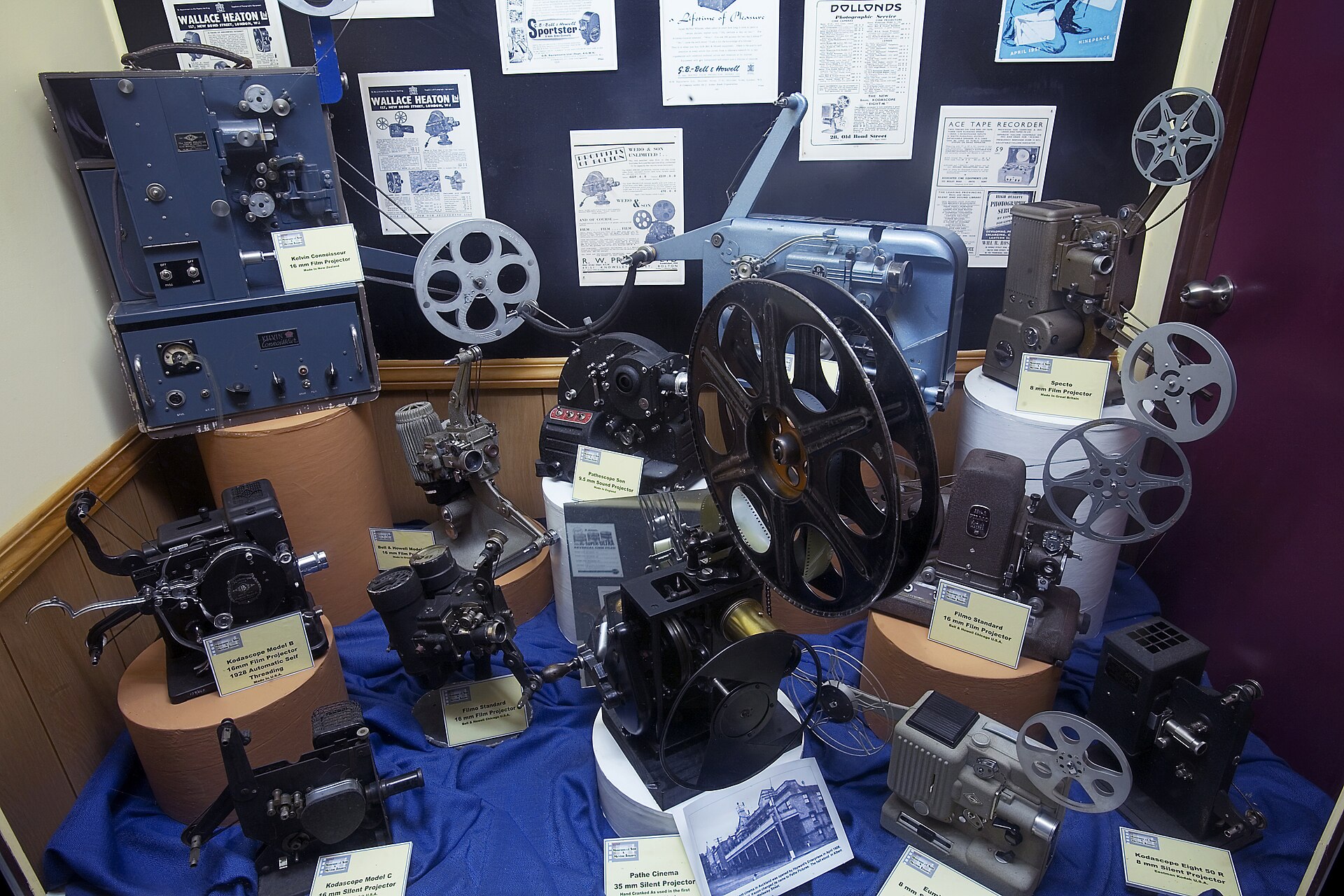
Lost sports footage is rarely negligence: tape reuse, obsolete formats and split rights explain why famous matches survive only as short highlights.
How scouts watch film: scanning, body orientation, recovery lines and reaction to a turnover, and why a highlight reel removes all four of them.
A ninety-minute weekly film study routine for club and school players: where to put the camera, how to cut twelve clips and the three questions to ask.