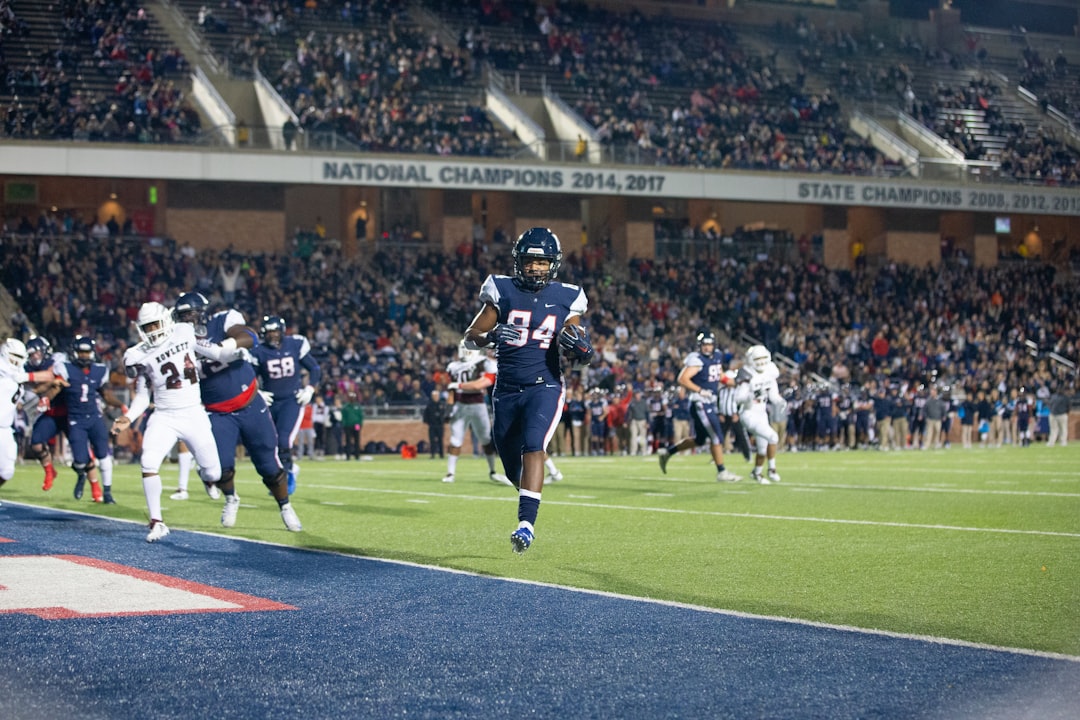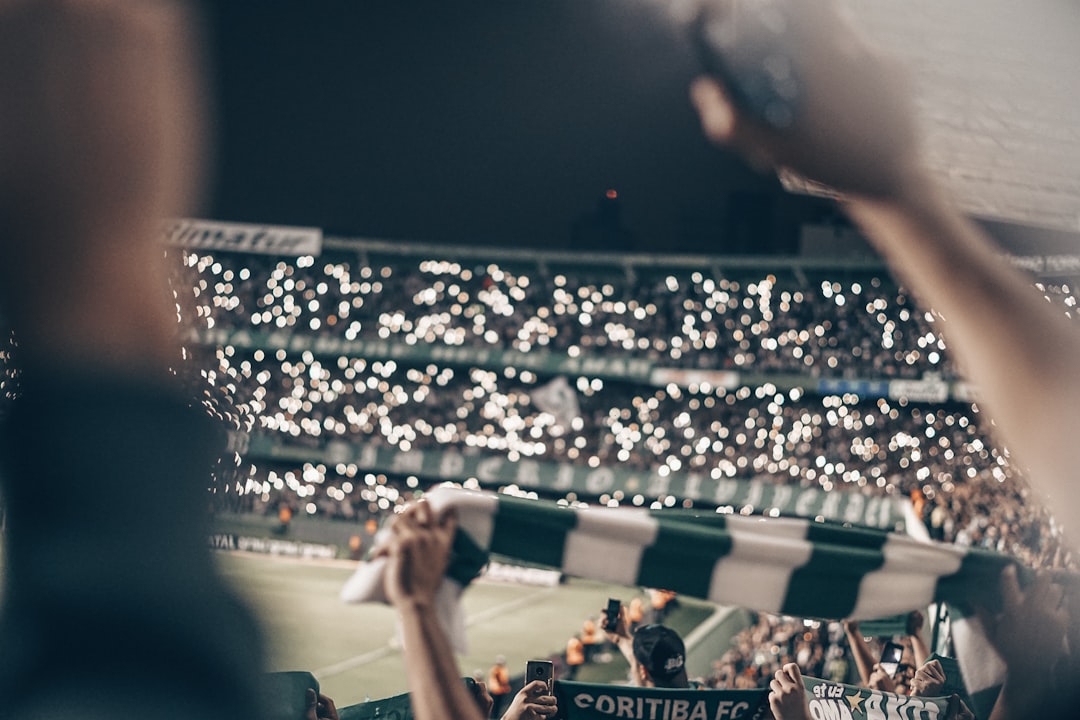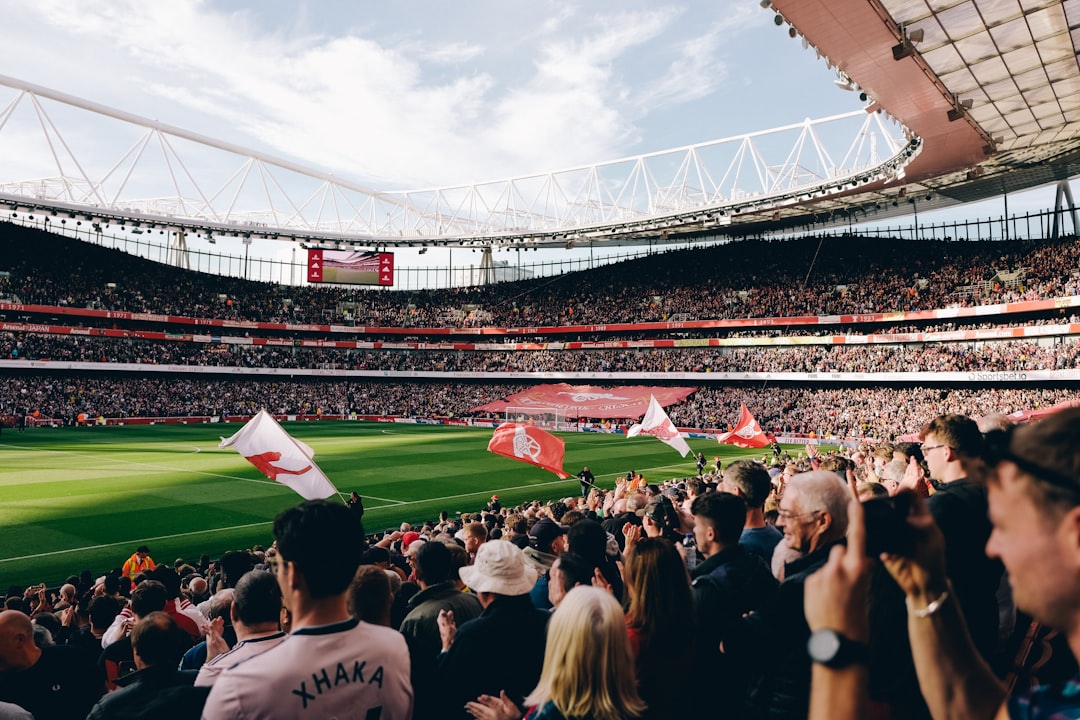
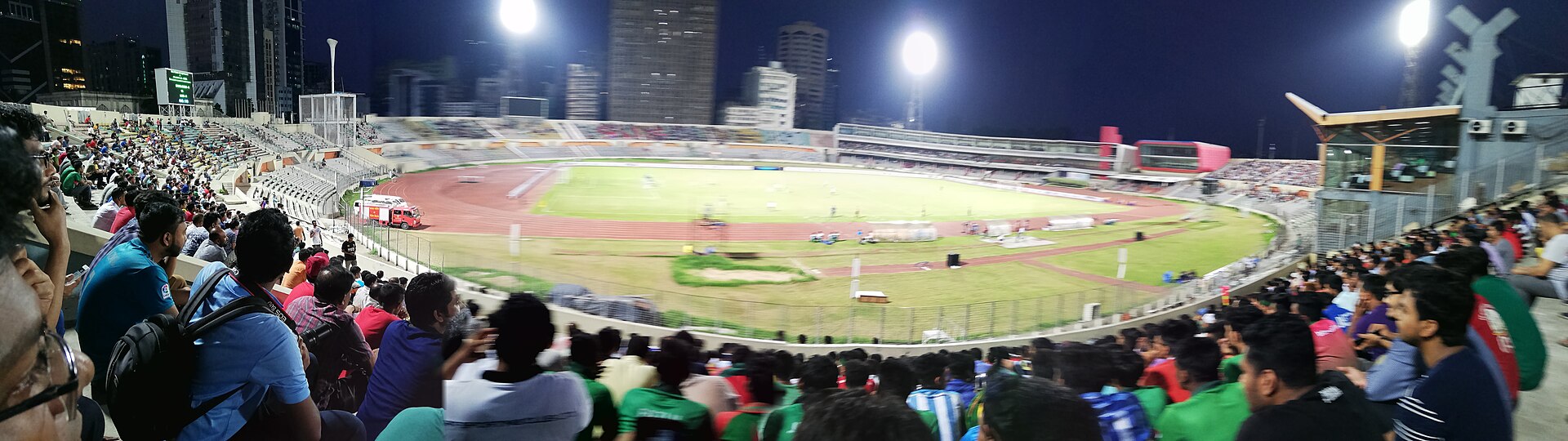
Mute the commentary on a decisive goal and the clip still lands. Mute the crowd and the impact microphones instead, leaving only commentary over silence, and the same goal feels flat, almost administrative, regardless of how excited the voice sounds.
That asymmetry is not an accident of taste. It reflects how a broadcast mix is actually built, and it explains why the highlight packages that feel most decisive are usually built around sound design choices that most viewers never consciously notice.
What follows explains where that sound comes from, how it gets mixed underneath commentary rather than instead of it, and how to hear the difference for yourself on a single play cut three separate ways.
What actually makes a highlight feel decisive
- Effects microphones. Pick up contact, footsteps and the crowd’s immediate reaction.
- The crowd bed. A continuous ambient layer that rises and falls with the play.
- Commentary. Adds context and narrative, but rarely carries the emotional peak alone.
- The mixing choice. Which layer gets pushed forward at the moment of impact.
- Why silence fails. A clip without ambient sound reads as staged, however good the footage.
- The exercise. Compare full mix, commentary-only and ambient-only on the same clip.
Effects microphones: where the impact sound comes from
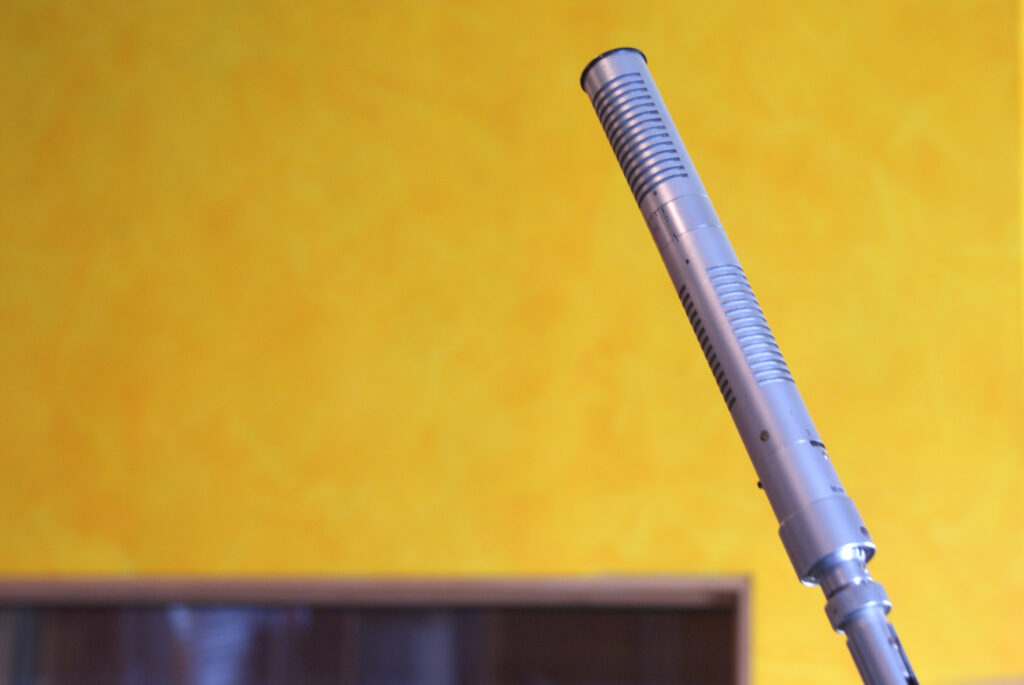
The crack of a bat, the thud of a tackle, the specific sound of a ball meeting a crossbar: none of that comes from the main broadcast camera’s built-in microphone, which sits too far from the action and picks up mostly ambient stadium noise.
Dedicated effects microphones, positioned at the goal, along the boundary, or attached to equipment on the field of play, capture the specific, close, physical sound of contact. A broadcast of a single football match typically runs a dozen or more of these, each covering a narrow zone, and an audio operator switches or blends between them in real time as play moves around the field.
Without these microphones, a highlight would carry only the wash of distant crowd noise and whatever the commentator says. With them, a viewer hears the ball itself, and that specific, physical sound is what makes contact feel real rather than described.
The crowd bed: a continuous layer doing constant work
Distinct from the specific effects microphones, a crowd bed is a broader ambient recording, usually drawn from several microphones positioned around the stadium bowl, that captures the collective sound of the audience as a continuous layer under everything else.
This bed rarely disappears entirely, even during a commentator’s quietest moment, because complete silence reads as a technical failure rather than as a stylistic choice. Instead, the bed is mixed at a low, steady level during routine play and pushed dramatically upward the instant something significant happens, tracking the crowd’s own reaction rather than leading it.
The rise in the crowd bed at the moment of a goal or a big play is doing more emotional work than most viewers credit it for. It is, in effect, a live audience reaction track, and its timing relative to the action is one of the most carefully managed elements in the entire mix.
Why commentary alone rarely carries the peak
Commentary is essential for context, narrative and identification, telling a viewer who did what and why it matters within the arc of the match. It is poorly suited, on its own, to carrying the sensory peak of a decisive moment.
A human voice, however excited, is a single narrow-band sound source. It cannot replicate the layered, physical texture of contact plus crowd plus stadium acoustics that ambient audio provides, and commentators know this, which is one reason experienced ones frequently go quiet or minimal for a second or two right at the moment of impact, trusting the ambient mix to do the emotional work while they hold their voice in reserve for the sentence that follows.
The pause is a deliberate technique, not a lapse, and it only works because the mix underneath the silence is built to carry the moment without a voice on top of it.
The mix, layer by layer
| Layer | Typical role | Behavior at the decisive moment |
|---|---|---|
| Effects microphones | Specific contact and physical sound | Pushed forward sharply for one to two seconds |
| Crowd bed | Continuous ambient texture | Rises steeply, often the loudest single element |
| Commentary | Context and narrative | Often drops in volume or pauses briefly |
| Music (highlight packages only) | Pacing and emotional framing | Timed to build toward the moment, not over it |
The pattern across all four layers is the same: the mix does not simply turn everything up at once. It reallocates attention, pulling commentary back exactly when effects and crowd audio are doing the more effective work.
How highlight editors rebuild this mix after the fact
A highlight package assembled after the match is not simply a trimmed copy of the broadcast audio. Editors frequently rebuild the mix specifically for the clip, because a package built for social distribution has different constraints than a live broadcast.
Original commentary is often kept but reduced in prominence, since a viewer scrolling through a feed does not have the same narrative investment as someone who watched the buildup live. Crowd and effects audio, by contrast, are frequently boosted relative to their original broadcast levels, because they carry more of the meaning in a ten-second clip with no surrounding context.
Some packages go further and add a music bed entirely absent from the original broadcast, timed to build toward the moment of impact rather than sit under it, borrowing a technique more associated with film trailers than live sports. The choice is defensible for pure highlight compilations and considerably more contentious when applied to clips presented as straightforward records of what happened.
What gets lost when a clip is cut too tight
A highlight trimmed to start right at the moment of contact loses something specific: the crowd’s anticipation in the two or three seconds before the play resolves, which is itself part of what makes the resolution land.
Crowd noise builds ahead of a shot on goal, a breakaway or a close finish, rising before the outcome is known, and that rising anticipation is doing real work on a viewer even if they cannot articulate why. A clip that begins after this build has already happened arrives at its peak with no runway, and it reads as less dramatic than the identical event with three extra seconds of lead-in restored.
Editors working under tight duration limits, particularly for short-form platforms, face a real tension here: more lead-in makes the moment land harder, and less lead-in fits more content into a limited attention span. Neither choice is free, and the two goals pull in opposite directions.
The same play cut three ways: a listening exercise
The clearest way to hear how much of a highlight’s impact comes from ambient sound is to isolate the layers on the same clip and compare them directly.
Play the full broadcast mix first, noting how the crowd bed rises before commentary reacts. Then play the same clip with commentary only, muting effects and crowd audio entirely; the play will still make sense, but the physical sensation of impact largely disappears, replaced by a description of it. Finally, play the clip with only ambient and effects audio, no commentary at all; for most viewers, this version retains more of the emotional impact than the commentary-only version does, despite offering no narration whatsoever.
The exercise reliably surprises people who assume commentary is the primary carrier of excitement in sports broadcasting. Standards bodies that document broadcast production practice, including organizations that maintain technical guidelines for the industry, have long treated audio design as a discipline separate from commentary for exactly this reason.
Where this goes wrong: over-processed and under-mixed extremes
Two failure modes sit at opposite ends of the same problem. An over-processed mix pushes every layer to maximum simultaneously, producing a wall of noise with no dynamic range, in which the genuinely decisive moment cannot rise above the baseline because the baseline is already at full volume.
An under-mixed clip does the opposite, carrying flat, unprocessed broadcast audio straight through without any attention to how the layers interact, leaving commentary to do work it was never built to do alone. Both extremes are common in rushed short-form editing, where the priority is speed of turnaround rather than careful sound design, and both produce a clip that undersells the moment it is meant to showcase.
How ambient audio differs between a stadium sport and an arena sport
The physics of the venue changes what ambient audio can capture, and a mixing approach built for one setting rarely transfers cleanly to another.
An open stadium disperses sound outward, which means crowd noise arrives at the microphones as a broad, diffuse wash rather than a sharply localized source. Effects microphones close to the field of play become correspondingly more important in this setting, because they are often the only source capable of isolating a specific sound from the general ambient wash surrounding it.
An enclosed arena behaves very differently. Sound reflects off a low roof and close walls, producing a denser, louder and more immediate crowd bed that can occasionally overwhelm effects microphones entirely during a genuinely loud moment. Basketball and hockey broadcasts compensate by placing effects microphones extremely close to the playing surface, sometimes embedded near the boards or the basket support, trading some naturalism for a fighting chance of being heard over the room.
The role of the audio mixer as a live editorial decision
Unlike a highlight package assembled after the fact, a live broadcast mix is built in real time by an operator making dozens of small decisions per minute, and the job carries more editorial weight than its technical description suggests.
The mixer decides, moment to moment, how much crowd noise to let through during a lull, when to bring an effects microphone forward as play approaches a specific zone of the field, and how sharply to duck the ambient bed when commentary needs to be clearly understood. None of these decisions is scripted in advance, because the game itself is not scripted, and a skilled operator anticipates where play is heading almost as quickly as the players do.
This is also where broadcasts most visibly differ from each other in style. Some networks favor a hotter, more aggressive crowd mix that leans into atmosphere; others favor a cleaner mix that prioritizes commentary intelligibility above all else. Neither approach is objectively correct, and viewers who switch between broadcasters covering the same event sometimes notice the difference in feel before they can identify exactly what changed.
Frequently Asked Questions
Do all sports use the same approach to ambient audio?
The principle is consistent, but the execution varies by sport and by broadcaster. Sports with continuous crowd noise, like football, rely heavily on a crowd bed; sports with more intermittent crowd behavior, like tennis, lean more on effects microphones and controlled silence between points.
Why does muting commentary sometimes improve a highlight clip?
Because commentary was never the primary carrier of the sensory impact in the original mix. Removing it exposes the crowd and effects layers that were doing most of the emotional work, and for viewers who already know the context, that can feel like a cleaner experience.
Is adding music to a highlight clip considered acceptable practice?
It is common for pure highlight compilations and more contested when applied to clips presented as direct records of an event, since added music can shape emotional response in ways the original broadcast did not intend.
How many microphones does a typical broadcast use for effects audio alone?
It varies by sport and venue, but a dozen or more dedicated effects microphones across a single stadium is common for a major football or American football broadcast, each covering a specific zone of the field.
Why do commentators sometimes go quiet at the exact moment of a big play?
It is frequently a deliberate technique, trusting the ambient mix to carry the sensory peak while the commentator holds a reaction in reserve for the sentence immediately after the moment has landed.
The next time a clip feels decisive, listen underneath the voice describing it. Most of what makes it land arrived from a dozen microphones nobody in the stands ever noticed.