
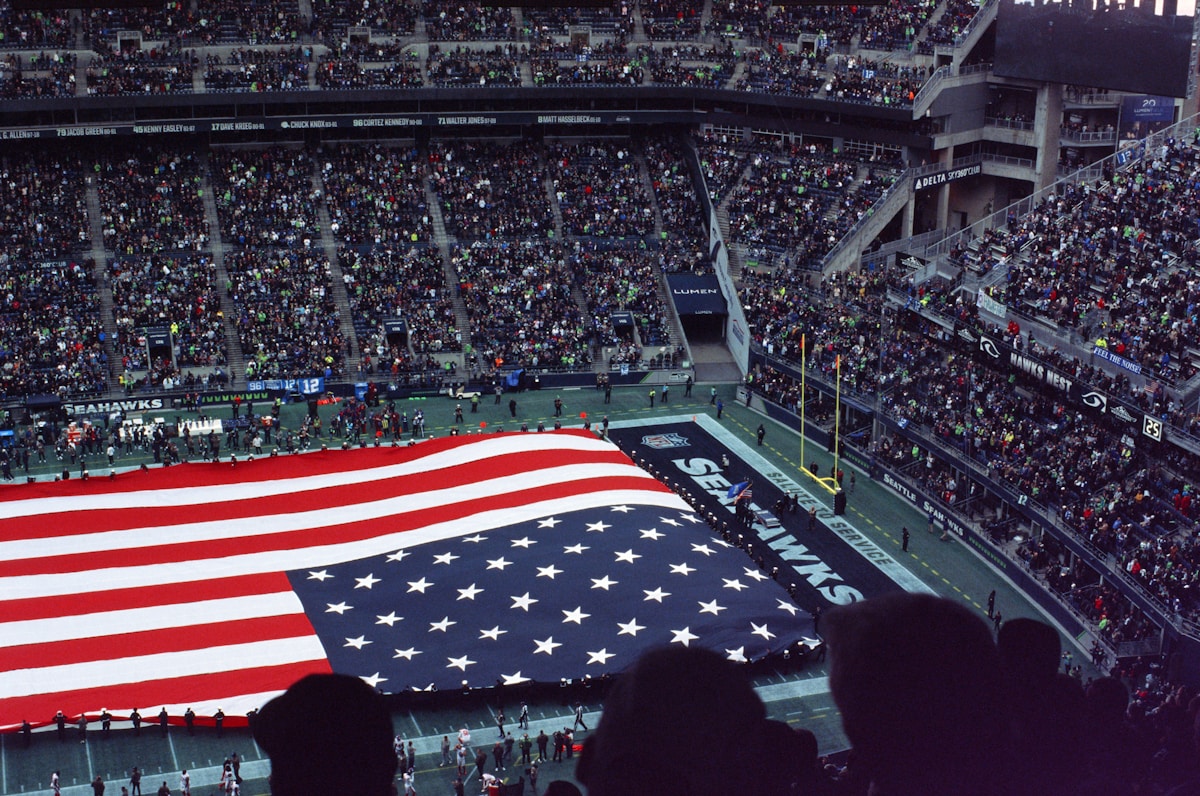
The USMNT opens the 2026 World Cup on June 12 in Los Angeles against Paraguay — the first time the host nation plays a World Cup opener at home since 1994. The pressure is real; the analytical preview is more interesting than the narrative suggests. Paraguay enters as the lower-FIFA-ranked side but with structural defensive qualities that have historically troubled the USMNT.
Quick read: USA vs Paraguay in 60 seconds
- The matchup: Host nation USA vs Paraguay in Group A opener, June 12 at SoFi Stadium.
- xG projection: Narrow US advantage — consistent with home-crowd context and squad depth, but with meaningful downside risk.
- Paraguay’s structural strength: Compact 4-4-2 defensive block that has historically troubled the USMNT.
- USA’s key question: Whether the attacking spine (Pulisic, McKennie, Richards) can break down deep-block defense in a high-pressure opener.
- What to watch: Set-piece preparation, USMNT pressing intensity, and the manager’s substitution patterns in a match where narrative pressure exceeds tactical pressure.
Why this matchup is tactically interesting
Paraguay’s structural profile is the reason this match doesn’t project as a routine host-nation win. The Paraguayan setup emphasizes defensive compactness in a 4-4-2 that historically frustrates possession-dominant sides, and their transition speed on set-piece situations has been consistent through their qualifying campaign. USA’s attacking approach has been possession-heavy, which is exactly the shape Paraguay is best-equipped to defend.
The possession trap piece covers the specific analytical concern; USA vs Paraguay is the kind of match where the possession trap is most likely to appear.
The matchup framework
| Element | USA | Paraguay |
|---|---|---|
| Base formation | 4-3-3 with attacking wingers | 4-4-2 compact block |
| Pressing profile | High-medium intensity | Low-intensity, transition-focused |
| Attacking approach | Possession-through-midfield | Counter-attacking, set pieces |
| Set-piece profile | Standard for host nation | Historically over-performing |
| Home-advantage adjustment | Significant (SoFi crowd) | None |
| Squad depth | Deeper across all positions | Concentrated in specific areas |
| Manager tactical flexibility | Moderate, tested through Copa | Consistent, less variable |
A reading framework for the match
| Question | What it reveals |
|---|---|
| What was the possession-vs-xG relationship? | Possession-trap check |
| How did Paraguay’s compact block respond to USA pressure? | Structural defensive test |
| What set-piece variations appeared? | Historical decider of similar ties |
| How did the USA’s attacking spine perform? | Pulisic/McKennie/Richards efficiency |
| What was the manager’s substitution pattern? | Tactical vs personnel signal |
| How did the home crowd shape the match? | Home-advantage adjustment |
| What does the result predict for the rest of Group A? | Forward-looking implication |
Public data at FBref and Understat supports most of the analysis. The vocabulary lives in our field guide.
Frequently asked questions
How predictive is the WC opener for the group stage?
Moderately. Opener results carry disproportionate weight for group-stage outcomes, largely because the psychology of a good opening result compounds through the subsequent two matches.
What is the strongest single tactical signal?
How Paraguay’s compact block responds to USA’s possession pressure. That structural test decides most of the match’s tactical direction.
How much does home-crowd advantage matter at this stage?
Meaningfully but not decisively. Historical data on host-nation openers shows a modest positive effect on outcome, partly offset by the pressure of opener narrative.
Where can I read serious USA vs Paraguay coverage?
The Athletic’s soccer writers; StatsBomb for tactical depth; FBref for underlying data.
The takeaway, in one paragraph
USA vs Paraguay projects as a tactically interesting match where Paraguay’s compact-block defense could produce the classic possession-trap dynamic, and reading it well means watching for that specific pattern rather than accepting the host-nation projection at face value. The framework above is the version we apply to any WC opener. For the broader vocabulary, our sports analytics field guide is the natural companion read.