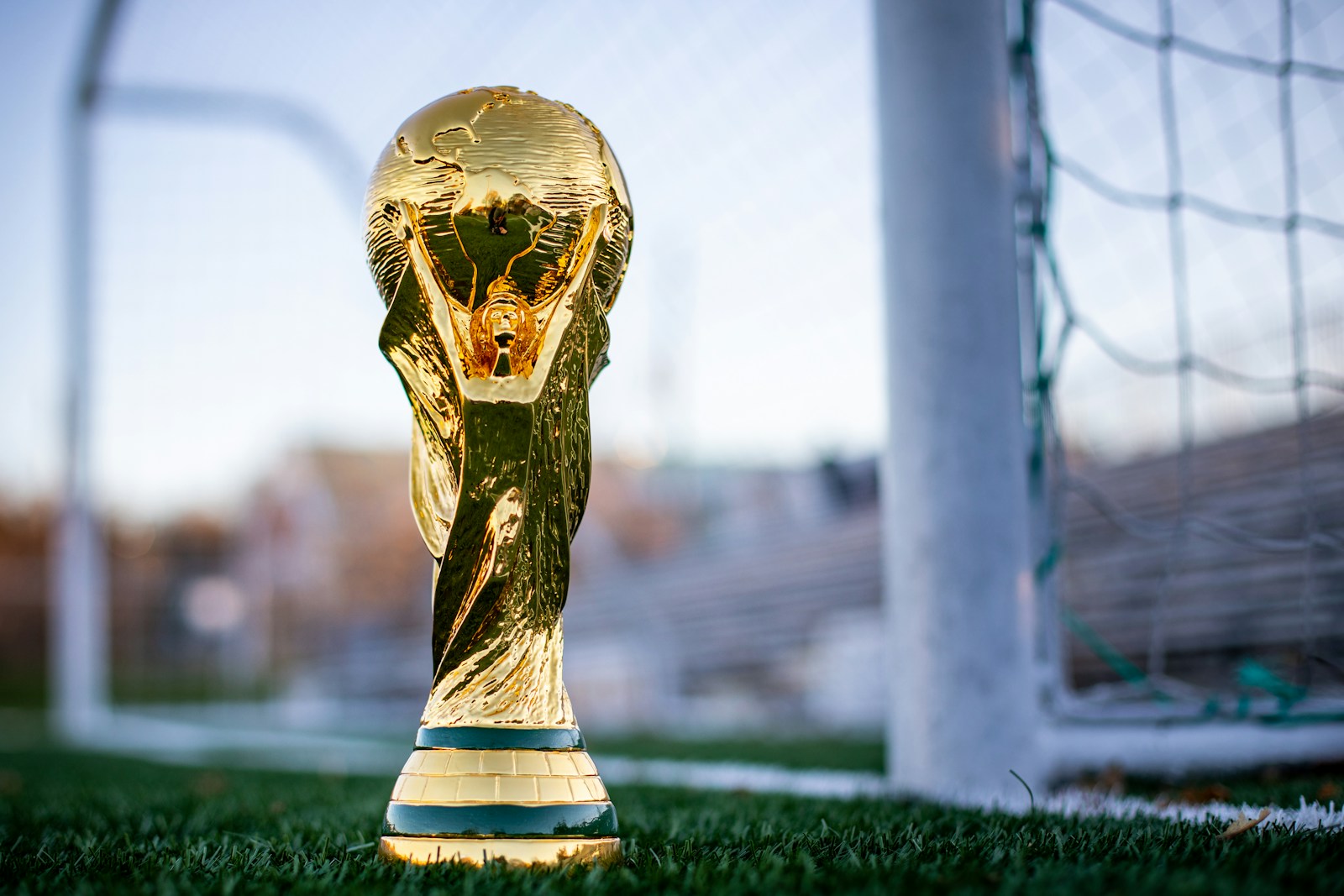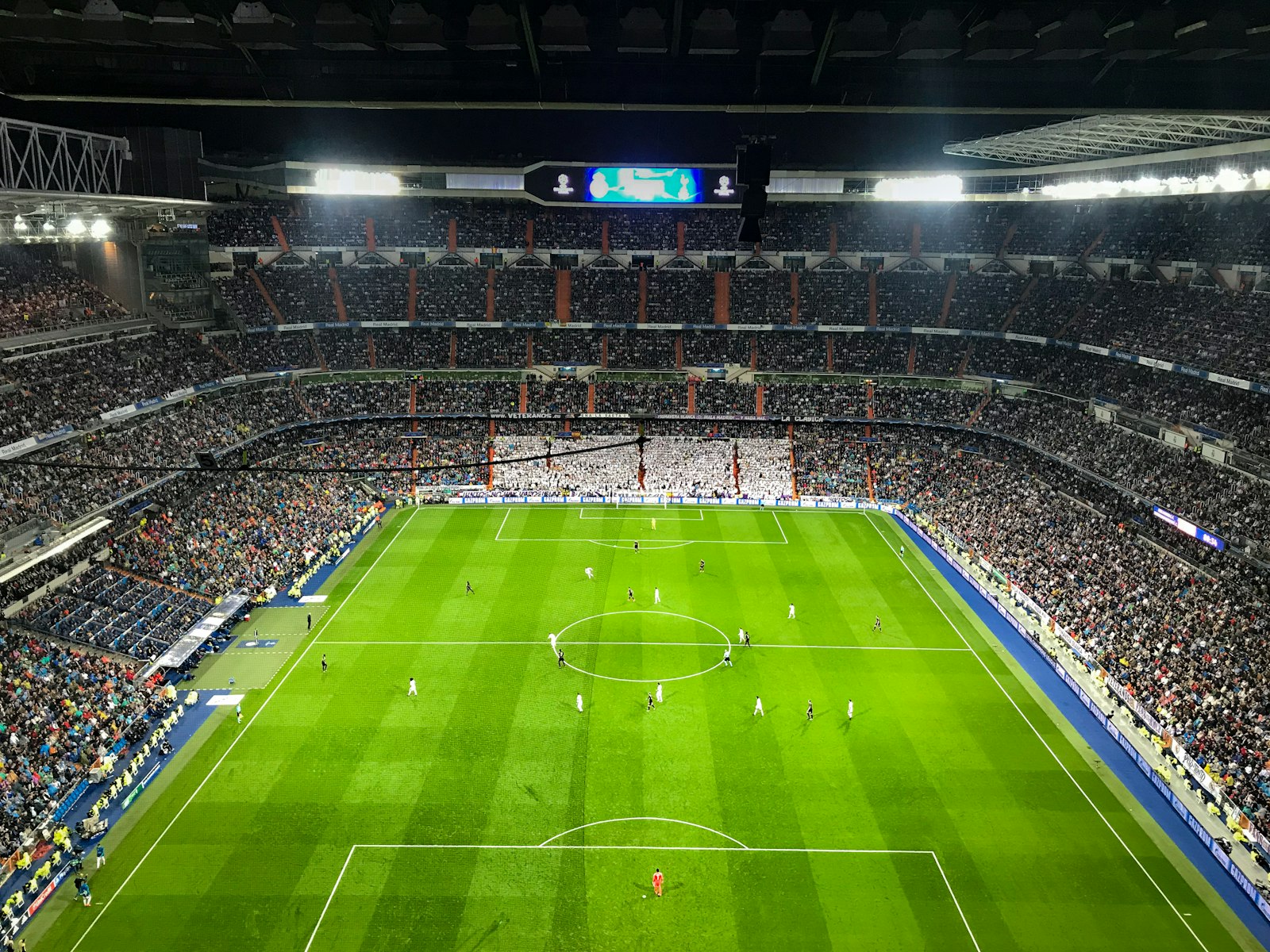

The World Cup Bronze match and Final together produce the tournament’s most-consumed coverage window, and reading them well requires a shift in analytical lens: from cumulative tournament-narrative to specific tactical decision-analysis. The bracket that produced these four teams tells one story; the two matches themselves will tell another. This is the framework for reading both.
Quick read: WC Bronze + Final preview in 60 seconds
- Bronze match: Two teams playing 90 minutes of low-stakes tactical experimentation; useful for observation, misleading for analytical projection.
- Final: Where 90 days of tournament preparation get compressed into 90 minutes of tactical decision-analysis.
- Tactical lens: Both matches decided by three-to-five specific tactical moments; identifying them is the analytical work.
- Signal weight: Bronze match tells you about coach tendencies; Final tells you about tournament-mature tactical execution.
- What to write about: The specific tactical decisions, not the overarching narrative.
The Bronze match analytical challenge
Third-place matches at major tournaments are analytical outliers. Both teams have just lost semi-finals, motivation levels are variable, and coaches often rotate to reward tournament contributors rather than fielding optimal lineups. The result is a match where standard tactical analysis produces noisier signals than in the earlier rounds. What’s still useful: manager tendency observation (does he play conservatively or aggressively when the stakes are lower?), young-player evaluation opportunity (Bronze matches often feature meaningful minutes for tournament-lightly-used players), and tactical experimentation (managers sometimes try formations they’ve held back from earlier games).
What the Final actually decides
Cup Finals are tactical decision-analysis problems more than they are talent-comparison problems. Both teams are elite; both managers have had preparation windows; both sides play conservatively enough to make the tactical adjustments legible. Three-to-five specific tactical moments decide most Finals, and identifying which those were is the post-match analytical work.
The possession-value primer covers the vocabulary; the Final is where the vocabulary earns its keep.
The tactical framework for the Final
| Tactical element | What to watch | Signal weight |
|---|---|---|
| Base formation | Manager’s pre-match tactical statement | High |
| Pressing intensity | PPDA in the opposition third | High |
| First substitution | Usually within 60 minutes; tactical or personnel | Very High |
| xG accumulation | Chance-quality separate from scoreline | High |
| Set-piece variations | Historical decider of tight Finals | High |
| Goalkeeper positioning | Post-shot xG on close ties | High |
| Closing-15-minute xG | Late-game leverage | High |
A reading framework for the two-match window
| Question | What it reveals |
|---|---|
| What is the base formation of each Final side? | Manager’s tactical decision |
| How does the pressing profile compare? | Tactical maturity signal |
| What are the set-piece profiles? | Historical decider of Cups |
| How did each manager use his Bronze-match observation? | Tactical intelligence gathering |
| What is each side’s closing-15-minute pattern? | Late-game reliability |
| What are the goalkeeping profiles? | Post-shot xG matters here |
| Which three-to-five moments will decide the Final? | The analytical question |
Public data at FBref and Understat supports most of the analysis. The vocabulary lives in our field guide.
Frequently asked questions
How predictive is the Bronze match for the Final?
Weakly. Motivation and rotation variance produce noisy Bronze-match data. Use Bronze for coach-tendency observation, not for Final projection.
What is the strongest single Final predictor?
The Semi-final tactical performance of each side. Managers who adjusted well in the Semi-final almost always adjust well in the Final.
How often does the pre-Final favorite win?
Modest edge in historical record; Cup Finals produce meaningful upsets often enough to make pre-match projections humble.
Where can I read serious Final coverage?
The Athletic’s Michael Cox for tactics; StatsBomb for analytical depth; FBref for underlying data.
The takeaway, in one paragraph
The World Cup Bronze match rewards observation, not projection; the Final rewards tactical decision-analysis. The framework above is the version we apply to any Cup-Final coverage. For the broader vocabulary, our sports analytics field guide is the natural companion read.