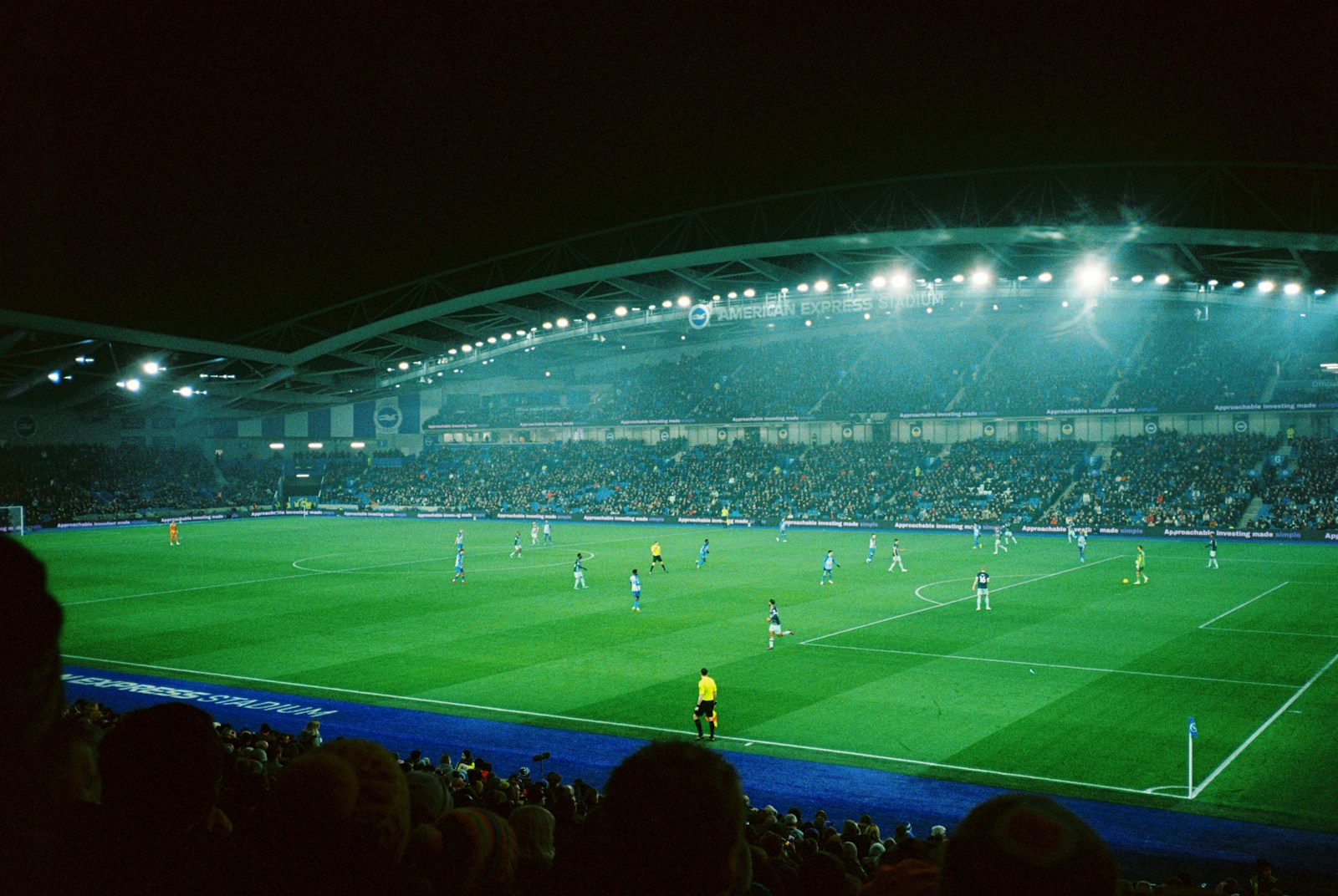

The World Cup Semifinal postmortem is where tournament tactical analysis produces some of its most-teachable material. Two elite sides met, one of them adjusted, and the difference between the tactical tweak and the entrenched setup usually decided the tie. Reading a Semifinal postmortem well means identifying the specific adjustment moment, understanding why it worked, and separating adjustment-based wins from talent-based ones.
Quick read: WC Semifinal postmortem in 60 seconds
- The tactical tweak: Managers who adjusted formation, pressing, or personnel in-match usually beat opponents who stayed with the base setup.
- What decided it: Almost never raw talent at this stage; almost always a specific tactical response.
- The signal: Which manager showed more mid-match tactical flexibility — and how the tactical shift was made visible on the pitch.
- What to write about: The three-to-five specific moments where the tactical decision changed the trajectory.
- The Semifinal-to-Final translation: Managers who adjusted well in Semis usually adjust well in Finals.
Why Semifinals reward tactical adjustment
By the Semifinal stage, both remaining sides have played five matches, prepared for their opponent for a week, and eliminated at least one difficult opponent apiece. Talent asymmetries have compressed; tactical asymmetries expand in proportion. The result is a match where mid-game tactical adjustments have their maximum impact — managers who read the game and respond usually beat managers who prepared their base setup and stayed with it.
The pressing data piece covers the tactical vocabulary; the Semifinal postmortem is where the vocabulary earns its keep for post-match analysis.
The tactical adjustment framework
| Adjustment type | What to watch | Signal weight |
|---|---|---|
| Formation shift | Base to variant within same match | Very High |
| Pressing profile change | PPDA shift by half | High |
| Substitution-triggered tactical change | Not just personnel — scheme signal | High |
| Set-piece variation | Novel routine mid-match | Moderate-High |
| Man-marking assignment | Specific matchup response | Moderate |
| Wing rotation | Fatigue management | Moderate |
| Deep-block conversion | Response to trailing scoreline | Situational |
A reading framework for Semifinal postmortem
| Question | What it reveals |
|---|---|
| What was the base formation of each side? | Manager’s pre-match tactical decision |
| What was the tactical adjustment moment? | The turn of the match |
| How did the opposing manager respond? | Tactical flexibility comparison |
| What did the pressing profile look like across halves? | Tactical evolution signal |
| How did the substitutions land tactically? | Not just personnel |
| What was the xG differential across periods? | Tactical impact quantified |
| What does the tactical performance predict for the Final? | Forward-looking implication |
Public data at FBref and Understat supports most of the analysis. The vocabulary lives in our field guide.
Frequently asked questions
How often do tactical adjustments decide Semifinals?
More often than in earlier rounds. Talent asymmetries have compressed; tactical asymmetries have expanded, and mid-match adjustments produce disproportionate impact.
What is the most useful post-match signal?
The specific tactical adjustment moment. Identifying when the manager changed the game — and how the opposing side responded — is the analytical work.
How does Semifinal performance translate to the Final?
Strongly. Managers who adjusted well in Semis almost always adjust well in Finals; the pattern is more consistent than the raw talent comparison.
Where can I read serious Semifinal postmortem?
The Athletic’s Michael Cox for tactics; StatsBomb for analytical depth; FBref for underlying data.
The takeaway, in one paragraph
World Cup Semifinals reward tactical flexibility more than raw talent, and the postmortem work is identifying the specific adjustment moment that decided the tie. The framework above is the version we apply to any Semifinal analysis. For the broader vocabulary, our sports analytics field guide is the natural companion read.