A retired player sits in a studio chair, not a press room, with a former teammate asking the questions and no clock counting down the segment. The interview runs forty minutes, gets cut into six clips, and reaches more people than the press conference it replaced ever did.
None of that access was negotiated by a reporter. It was built, produced and distributed by people the athlete employs, and it is now one of the primary ways a significant number of fans hear from the biggest names in several sports.
The shift did not happen because press conferences stopped working. It happened because the alternative solved a specific set of problems for athletes that the traditional format never addressed, and it created a different set of problems that traditional media rarely has to answer for.
The shift, in six lines
- What moved. A meaningful share of long-form athlete access, from press rooms to owned platforms.
- Why athletes wanted it. Control over framing, editing, and which parts get published.
- What producers get. A guest with no obligation to answer a question they dislike.
- What audiences get. More time, less confrontation, and a different kind of honesty.
- The trade-off. Almost nobody is challenging the guest in the room.
- What still needs the old format. Anything the athlete would rather not discuss at all.
What a press conference was actually built to do
The traditional format exists to serve several audiences at once: the athlete, the team, the assembled press and, indirectly, the governing body that scheduled the session. No single one of those parties fully controls it, which is the format’s defining feature and its main limitation.
A reporter can ask an unwelcome question, and the athlete has to either answer, deflect visibly, or decline on the record. That friction is precisely what a press conference is for. It exists to put a public figure in a room where refusal is itself informative.
The format also produces a specific texture: short answers, competing follow-ups, and a transcript that any outlet can quote from without needing permission. It was never designed to produce depth, and athletes who wanted to explain something at length were consistently underserved by it.
Why athletes built their own shows instead of asking for more time
Asking a governing body or a broadcaster for a longer, gentler format was rarely an option worth pursuing, because neither party had an incentive to hand over editorial control. Building an independent channel solved the same problem without asking anyone’s permission.
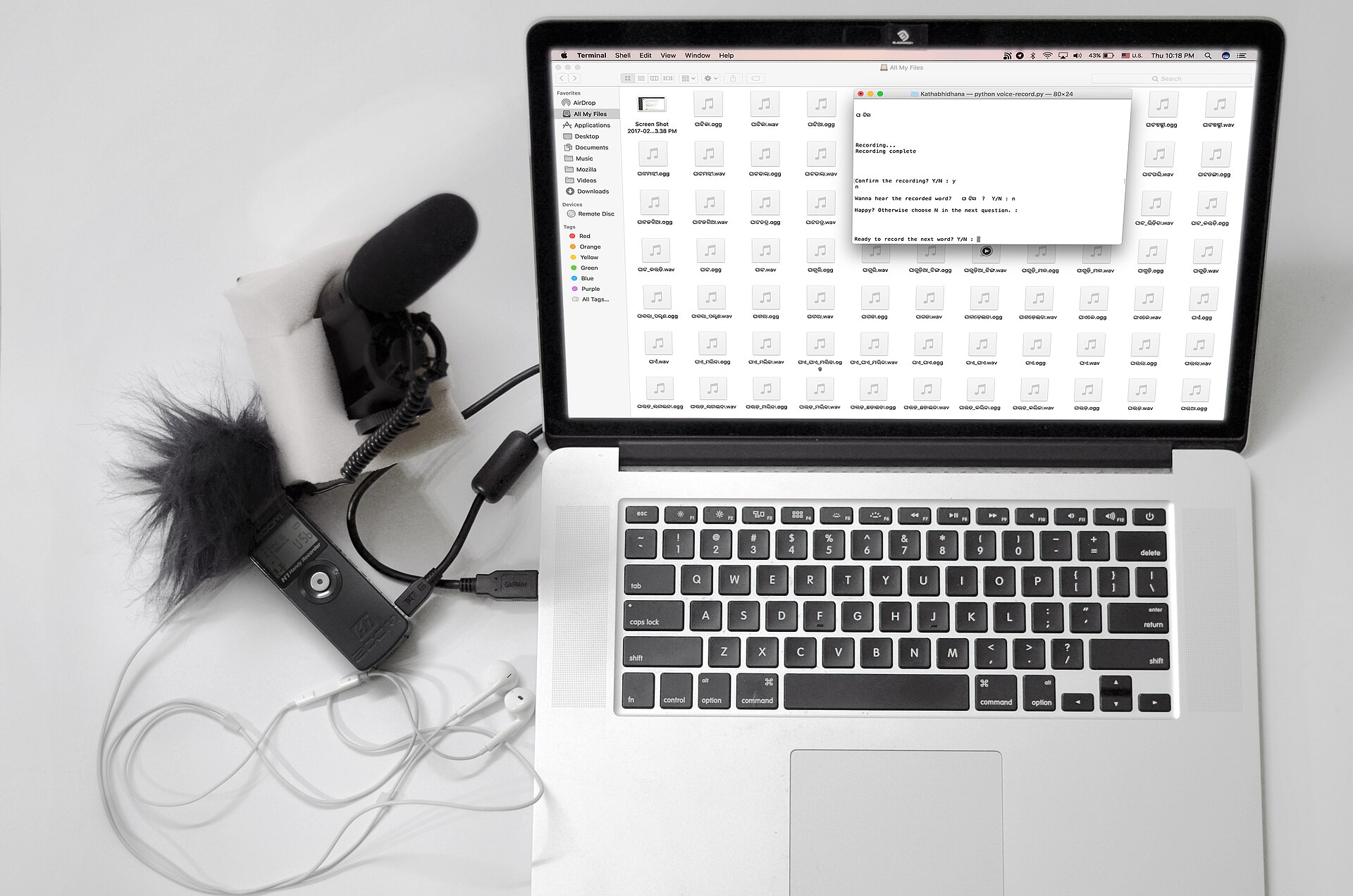
Falling equipment and distribution costs made this practical at a moment when it would have been impossible a decade earlier. A camera, a decent microphone and a video platform used to require a production budget; now they require very little, and an athlete with an existing following can reach an audience without a broadcaster acting as gatekeeper at all.
The financial case reinforced the editorial one. A show with sponsors attached pays the athlete directly, rather than compensating them only through appearance fees or nothing at all, which made the format attractive even before the editorial benefits were fully apparent.
What changed in access
Access under the new model looks generous and is structurally narrower than it appears. A forty-minute conversation is objectively more time than a ninety-second press conference answer, and it is also a conversation where every question was either agreed in advance or asked by someone who works for the guest.
The traditional model gave a beat reporter recurring, adversarial-by-design access across a season, building a relationship that included real friction. The new model gives a much smaller number of interviewers a single, cooperative session, and the two kinds of access answer different questions. One tells you how an athlete performs under a question they cannot control; the other tells you how an athlete wants to be understood.
The audience-facing effect is real: fans hear a more relaxed, more detailed version of an athlete than press conferences ever produced, on subjects a formal setting would never have reached.
What changed in editorial control
The single biggest change is who decides what gets published. A traditional interview belongs, once given, to the outlet that conducted it, subject to agreed rules but not to the subject’s approval. An athlete-owned production belongs entirely to the athlete, from the questions asked to the final cut released.
That control extends to what never airs. A press conference produces a full, public transcript regardless of how an answer lands. An owned show can simply not publish a segment that goes badly, and audiences never know the segment existed. The two formats are not offering different versions of the same transparency; one guarantees a record and one does not.
Sponsorship and business relationships compound the effect. A show funded by the athlete’s own commercial partners has an obvious incentive structure, and that structure shapes which guests get invited and which subjects get raised, in ways a press conference’s incentive structure does not.
The accountability cost, stated plainly
The clearest cost of the shift is the disappearance of the unwelcome question, and it disappears for a specific reason: nobody in the room is paid to ask it.
A produced conversation between an athlete and a former teammate or a hired host rarely includes a question the guest has not implicitly cleared by agreeing to appear. That is not dishonesty on anyone’s part; it is simply what a cooperative format produces, and it means the audience is receiving carefully selected material presented as an unguarded conversation.
The risk compounds when the format is the primary way a significant audience encounters an athlete’s public statements. A generation of fans whose main source is an owned platform receives a version of the person built almost entirely around what that person wants known, a concern that outlets tracking press freedom and journalistic standards, including organisations that study the changing media landscape, have flagged well beyond sport.
How athlete-owned media pays for itself
The economics behind athlete-owned media explain a lot about its editorial choices. A traditional interview paid the outlet, not the subject; an owned show is funded directly by sponsors, subscriptions or platform advertising revenue that flows to the athlete’s own production company.
That funding model rewards a specific kind of content: consistent, positive, brand-safe material that keeps sponsors comfortable and audiences returning. It does not reward the kind of unpredictable, occasionally uncomfortable exchange that makes traditional journalism valuable, because an uncomfortable exchange is a business risk for a production the athlete personally owns.
Some athletes have built genuinely large businesses this way, with owned media as one revenue stream among several that include merchandise, coaching content and direct sponsorship. Understood as a business rather than as journalism, the incentives make complete sense, and that reframing is the most useful lens for judging what athlete-owned media is actually built to do.
Which formats produce information, and which produce promotion
Not every athlete-owned show is the same, and the distinction is worth drawing carefully rather than dismissing the category wholesale.
| Format | What it reliably produces | What it rarely produces |
|---|---|---|
| Traditional press conference | An on-record answer to an unscripted question | Depth, comfort, extended explanation |
| Athlete-owned long-form show | Detail, context, a relaxed subject | A genuinely unwelcome question |
| Independent podcast with outside host | Some friction, depending on the host’s independence | Guaranteed publication of a bad answer |
| Sponsor-integrated athlete media | Reliable, positive coverage of the athlete’s brand | Any subject that conflicts with a sponsor |
The middle category is where the format is least settled. A show hosted by someone with genuine independence from the athlete can produce real friction even inside a cooperative structure, and a handful of the most successful athlete-adjacent shows have built their reputation on exactly that willingness.
What traditional outlets still do that owned media cannot replace
Independent reporting retains one structural advantage that no amount of production value can substitute for: it does not require the subject’s cooperation to exist.
A story about a contract dispute, an injury handled poorly by a club, or a decision an athlete would prefer not to discuss can still be reported without an invitation, verified against multiple sources, and published regardless of how the subject feels about it. An owned platform can decline to make that story, but it cannot suppress an outlet’s independent version of it.
This is the durable division of labour: owned media for depth on subjects the athlete wants explored, independent reporting for everything the athlete has no interest in explaining. Readers who rely on only one side get a partial picture, whichever side they choose.
Some newsrooms have adapted by treating an athlete’s owned platform as a source rather than a competitor, quoting a striking admission made on a personal show and then reporting around it independently. That approach gets the depth of the owned format and the verification of traditional reporting, and it is becoming the standard way serious outlets handle material that first surfaces somewhere they do not control.
How to read an athlete-owned interview honestly
Treat the length and warmth of the conversation as a production choice rather than as evidence of candour. A long answer delivered comfortably can still be a rehearsed one, and the absence of a hard follow-up question is not the same as the absence of anything to follow up on.
Note who is asking the questions and what their relationship to the guest is. A former teammate, a close friend or an employee of the athlete’s own company is a different interviewer than someone with no stake in the outcome, and the difference should adjust how much weight a viewer gives to the exchange.
Cross-reference against independent coverage of the same period. Where the two accounts diverge, the gap is usually where the more interesting story sits, and it is rarely visible from inside the owned production alone.
Finally, notice what the show chooses never to raise at all. A season of episodes that never once mentions a well-documented controversy is itself informative, and the omission is often more revealing than anything said in the parts that did make the cut.
Why some sports adopted the model faster than others
The shift has not been even across sports, and the differences trace back to how much control athletes already had over their own schedules and public profile before the format existed.
Individual sports with long off-seasons and athletes who already managed their own brand, rather than relying entirely on a club’s communications department, adopted owned media earliest. A boxer or a golfer negotiating their own commercial deals had the infrastructure and the incentive already in place; adding a show was a natural extension of work already being done.
Team sports moved more slowly, partly because clubs and leagues retain more contractual control over player media obligations, and partly because a single player’s show competes for attention with the team’s own channels. Where leagues have relaxed those restrictions, adoption has accelerated quickly, which suggests the earlier gap was regulatory rather than a difference in athlete appetite.
Frequently Asked Questions
Is athlete-owned media replacing the press conference entirely?
No. Governing bodies and clubs still require athletes to attend scheduled press conferences in most competitions. Owned media has added a parallel channel rather than eliminated the traditional one.
Do these shows ever include real friction?
Some do, particularly when the host has genuine independence from the guest. Most, however, are structured cooperatively, and the absence of an unwelcome question is closer to the norm than the exception.
Why did this shift accelerate specifically over the past several years?
Falling production and distribution costs made independent publishing practical for an individual athlete, and existing social followings meant many athletes could reach an audience without a broadcaster’s help at all.
Does an athlete’s own platform count as a primary source?
Yes, in the narrow sense that it documents what the athlete chose to say. It should not be treated as equivalent to independently verified reporting, since publication decisions rest entirely with the subject.
What happens to a bad answer given on an owned platform?
It can simply not be published. Unlike a press conference, which produces a transcript regardless of outcome, an owned production has no obligation to release anything that does not serve it.
The format an athlete chooses says as much as the words that follow it. A press conference promises a record; an owned platform promises comfort. Neither promise should be mistaken for the other.