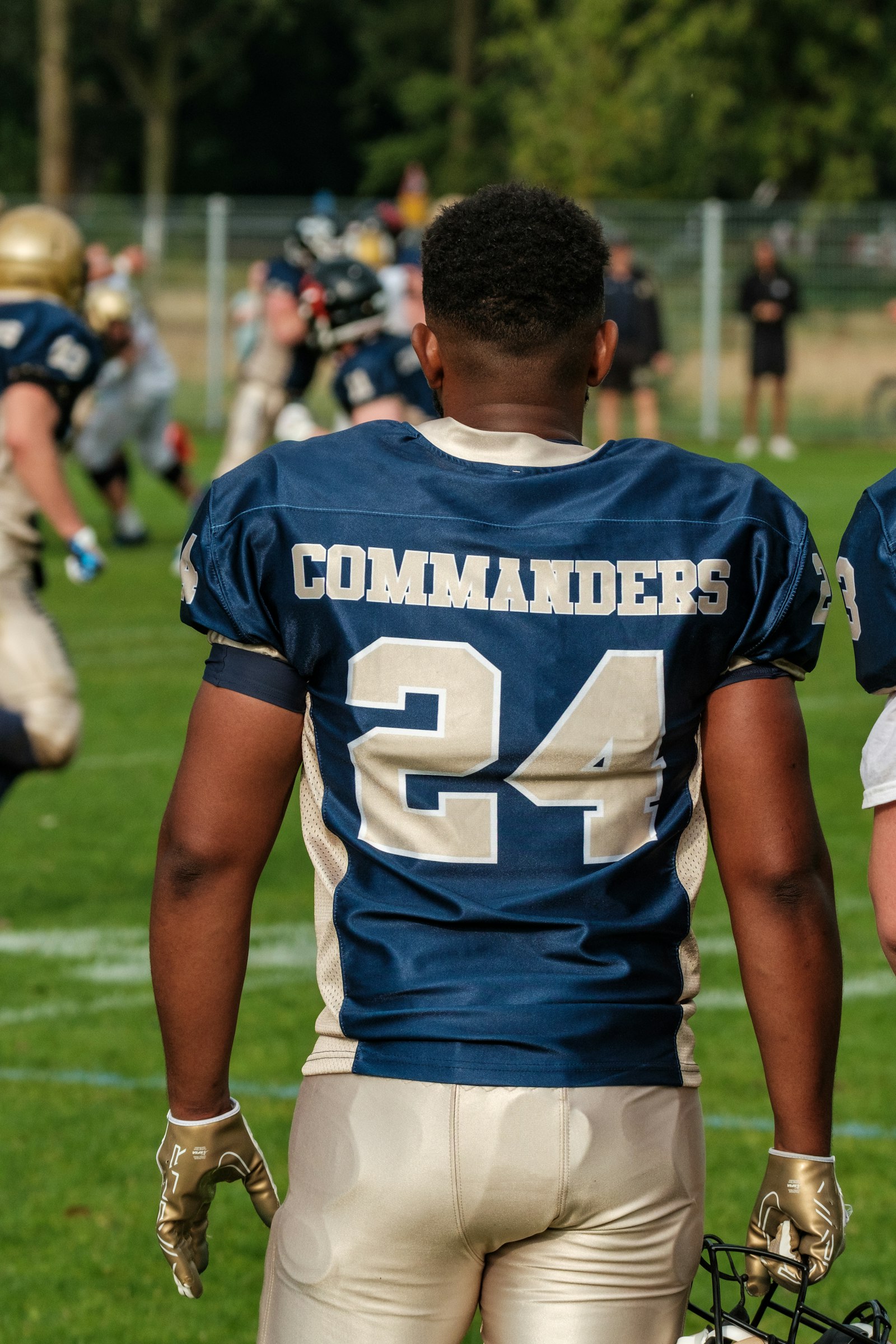

NFL Preseason Week 3 is the point where coaching philosophy divides the league in half. Some staffs play starters into the third quarter, treating Week 3 as the last regular-season dress rehearsal. Others sit starters entirely to protect them for September. The analytical question isn’t which approach is right — it’s how to read the resulting signal from a preseason week where teams are actually playing very different games. When starters play matters more than how long.
Quick read: Preseason Week 3 in 60 seconds
- When starters play: Not how long. A starter running the offense in Q1 has produced different signal than a starter running the offense in Q3.
- Rest-vs-play philosophy: Half the league now sits starters in Week 3 entirely; the other half plays them extensively. Both approaches produce interpretable but different data.
- Depth-chart battles: The last competitive week before roster cuts; positions where two players are still competing get their final auditions.
- Injury risk: Highest of the preseason for teams that play starters; a Week 3 injury reshapes September projections more than any other single event.
- What to write about: Coaching philosophy signals, final depth-chart resolutions, and specific rookie-vs-starter matchups — not the box scores.
Rest vs play: two different data-generating processes
The split between teams that rest starters and teams that play them in Preseason Week 3 has widened over the past decade, and it changes how you should read Week 3 coverage. A team that sits starters entirely is telling you that the coaching staff has resolved every consequential depth-chart question — they know their starting lineup and they’re prioritizing health over one more sample. A team that plays starters into Q3 is telling you the opposite: something is still unresolved (a position battle, a rookie evaluation, a scheme installation question), and they’re using the final preseason week to answer it.
The practical implication for coverage: rest-week teams should be read through their beat writers’ reporting on practice reps rather than through the game itself. Play-week teams should be read through the actual game with attention to which units are still competing. Applying the wrong lens produces the wrong analysis. Our minicamps piece covers the underlying framework of trusting beat writers who name their observation limits.
Why the “when” matters more than the “how long”
A starting quarterback who plays two series in Q1 has produced signal about how the coaching staff wants to start the season; the same quarterback playing two series in Q3 has produced signal about scheme installation with less-familiar personnel groupings. The volume is identical, the meaning is different. Read starter usage by timing, not just by total snaps.
The most useful preseason Week 3 signal is often the specific personnel packages that get first-team reps. If the starting offense runs its two-minute drill installation, its red-zone package, and its third-down looks with starters, the coordinator is signaling those installations are ready. If those packages come off the field with the backups, the coordinator is signaling the opposite. Neither observation shows up in a box score.
The Preseason Week 3 signal framework
| Signal | Weight | What to look for |
|---|---|---|
| Starter usage timing | High | Q1 vs Q3 reps signal different coaching intent |
| Personnel package variety | High | Which install packages run with starters |
| Final depth-chart battles | High | Last competitive audition before roster cuts |
| Rookie usage against starters | Moderate-High | Final evaluation window |
| Coach comments post-game | Moderate | Roster decisions typically telegraphed in press-conference language |
| Injuries emerging | Critical | Highest risk week of the preseason |
| Garbage-time production | None | Practice-squad candidates against practice-squad candidates |
A reading framework for Week 3 coverage
| Question | What it reveals |
|---|---|
| Did starters play or rest? | Coaching philosophy signal about roster readiness |
| If they played, when in the game? | Q1 vs Q3 reps have different meanings |
| Which personnel packages ran with starters? | Installation completeness by scheme phase |
| Which position battles are still open? | Roster-cut context |
| What did the coach say after the game? | Language usually telegraphs roster decisions |
| What injuries emerged? | Most important story of most Week 3 slates |
| What is the Week 1 outlook now? | The actual question after four weeks of preseason |
The vocabulary lives in our field guide. Public data at Pro Football Reference and grade context at PFF support most of the analysis.
Frequently asked questions
Why do some teams rest starters in Week 3?
Injury protection, primarily. The marginal information gained from another preseason series is small compared to the injury risk. Teams that have resolved their depth-chart questions often rest starters entirely; teams still competing at positions play them extensively.
Is Preseason Week 3 the most predictive?
Historically, no — because the split between resting and playing teams makes the aggregate data noisy. Preseason Week 2 (with joint practices) tends to produce more consistent signal across the league.
How should I read Week 3 coverage from teams that rested starters?
Through beat-writer practice observations from the week rather than through the game itself. Rest-week teams still practice; the practice reps produce more information than the game featuring their backups does.
Where can I read serious Preseason Week 3 coverage?
Local beat writers for team-specific context, PFF for grade-level rookie evaluation, and Pro Football Reference for historical baselines.
The takeaway, in one paragraph
Preseason Week 3 is where coaching philosophies split the league in half, and the analytical challenge is to read rest-week and play-week teams through different lenses without pretending the games produce comparable data. The framework above is the version we apply to any Week 3 coverage. For the broader vocabulary, our sports analytics field guide is the natural companion read.