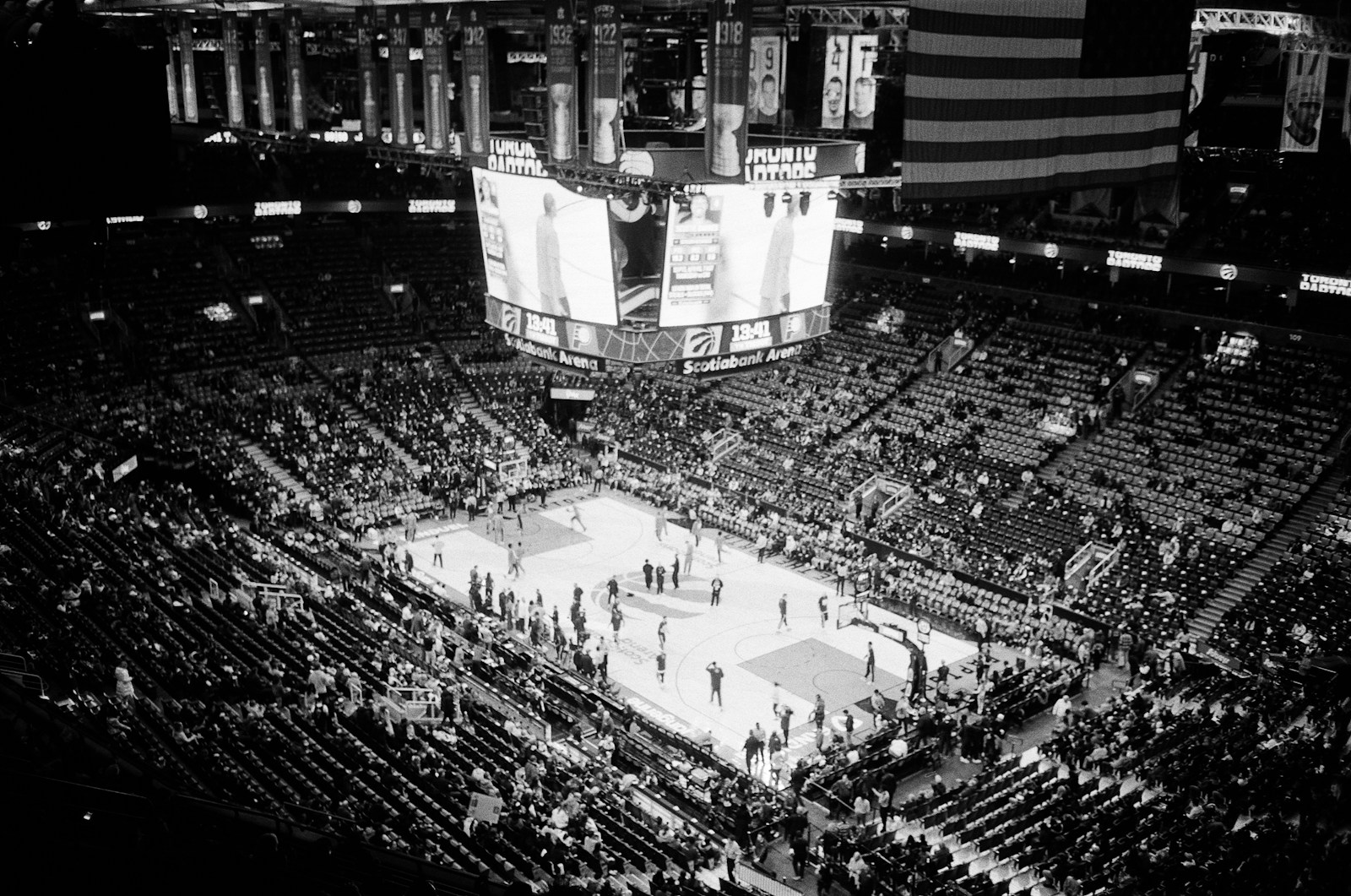

NBA Draft Night 2026 delivers the year’s most public analytical exercise: 14 lottery picks in three hours, each one accompanied by pre-draft consensus, team-fit questions, and analytical projections that will look brilliant or foolish within 18 months. The framework below is the live-tracking version — what to watch as picks come in, how to read the analytical consensus, and how to distinguish real fit from wishful thinking.
Quick read: Draft Night live analytics in 60 seconds
- What matters: Team-fit analysis (specific role need), player-comp accuracy (previous comparable prospects), coaching-staff track record with rookies.
- What does not: Highlight-reel athleticism, single-play comparisons, mock-draft consensus alignment.
- Real signal: The team-need vs player-fit alignment; teams that pick for immediate need often reach.
- What decides lottery success: Player development within team context, not raw talent evaluation.
- What to write about: The team-fit decisions, the reaches, the surprises — not the mock-draft accuracy.
What actually decides lottery outcomes
Post-draft analysis focuses on the pick itself, but lottery outcomes are decided at the intersection of talent evaluation and development context. A talent-A prospect picked by a team with a bad coaching staff usually underperforms; a talent-B prospect picked by a team with strong development track record often exceeds his draft slot. The teams whose lottery picks consistently hit outperformance rates share specific traits: stable coaching, patient rookie usage plans, and roster contexts that don’t demand immediate production.
Our NBA advanced stats piece covers the underlying framework for reading rookie development in NBA context.
The Draft Night archetypes
| Pick archetype | What to watch | Success predictor |
|---|---|---|
| Consensus top pick | Team fit for immediate role | Coaching-staff development track record |
| Team-need reach | Player-quality vs slot value | Often underperforms slot |
| Best-player-available | Team already has depth at position | Development patience required |
| International prospect | Adjustment timeline expectations | Development context matters most |
| Two-way athlete | Specific NBA-role definition | Coaching that finds the fit |
| Positional specialist | Scheme alignment with team | Coaching willing to specialize the rookie |
| Slider | Fell below pre-draft slot | Team drafting knows something the consensus didn’t |
A reading framework for Draft Night coverage
| Question | What it reveals |
|---|---|
| Does the pick align with team need? | Front-office signal |
| How does the pick compare to pre-draft consensus? | Team-specific evaluation vs public projection |
| What is the coaching staff’s rookie development track record? | Success-probability adjustment |
| What are the veteran teammates at the position? | Development context |
| What is the team’s timeline? | Immediate contribution expected or long-term project |
| What does the analytical consensus say? | Baseline projection |
| What does the team’s front office typically prioritize? | Draft-philosophy consistency |
The vocabulary lives in our field guide. Public data at Basketball Reference supports historical draft context.
Frequently asked questions
How predictive is Draft Night consensus?
Modestly. The top-3 consensus usually hits; picks 4-14 diverge more dramatically from expectation. The best predictors of lottery success are team context and development coaching, not the pre-draft ranking.
What is the most common Draft Night mistake?
Reaching for team need at the expense of best-player-available. Teams that pick for immediate role usually underperform slot value over the rookie’s contract.
How should I evaluate a Draft Night pick in real time?
Focus on the team-fit and development-context dimensions; discount the mock-draft-consensus alignment. The picks that look “smart” the night of the draft often look different two years later.
Where can I read serious Draft Night coverage?
The Athletic’s Draft coverage; Basketball Reference for historical context; NBA-specific analytics newsletters focused on rookie development.
The takeaway, in one paragraph
NBA Draft Night lottery outcomes are decided at the intersection of talent evaluation and team development context, and reading the coverage well means weighting both factors. The framework above is the version we apply to any Draft analysis. For the broader vocabulary, our sports analytics field guide is the natural companion read.