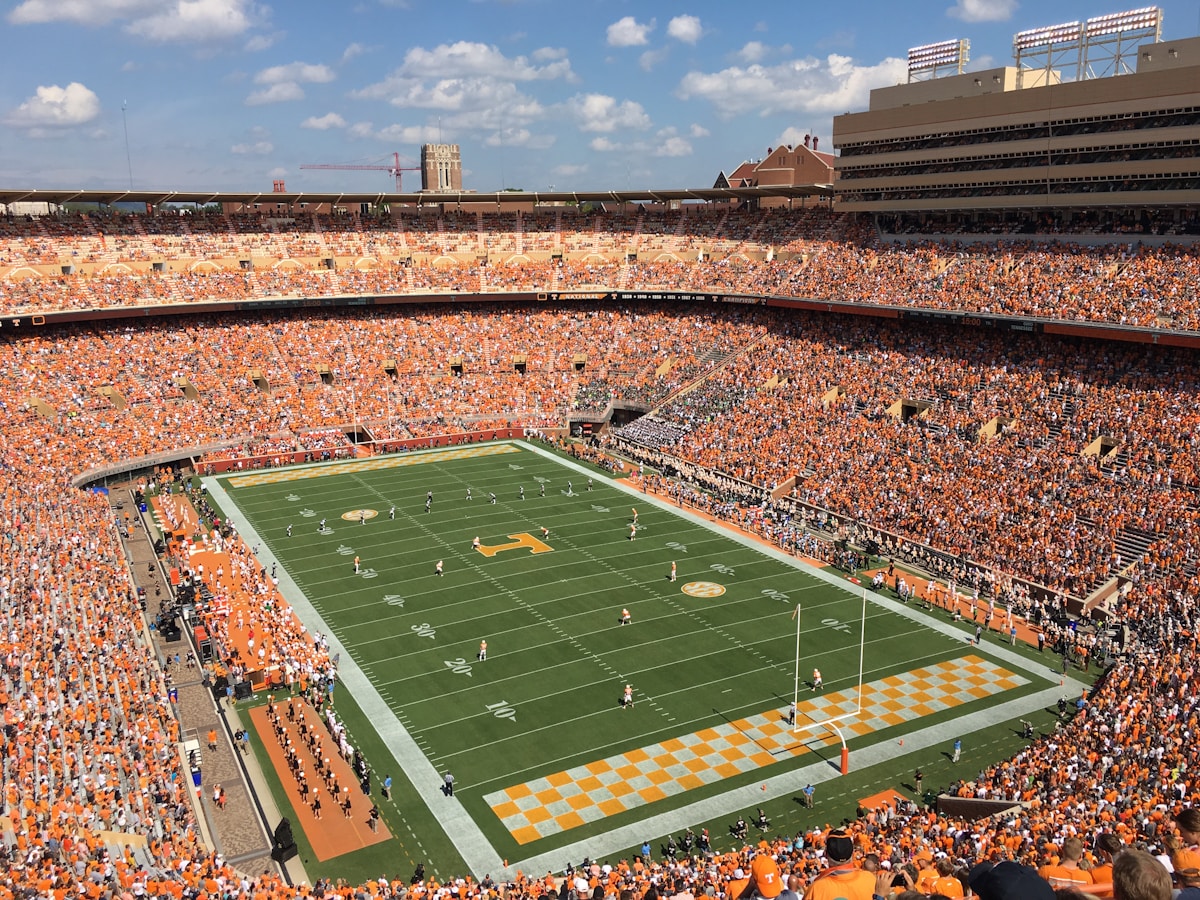
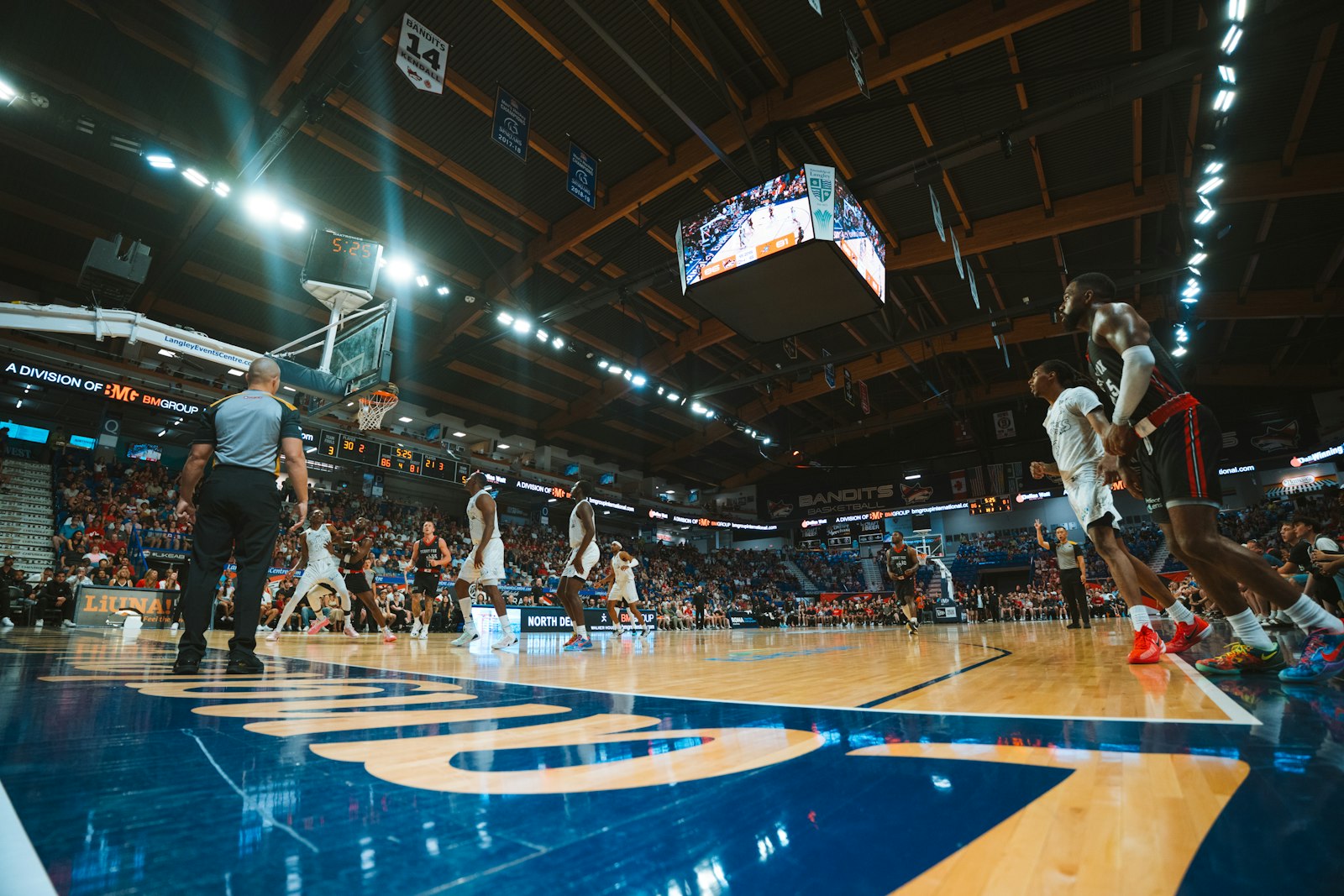
Walter Clayton Jr. dribbled out the final five seconds of the 2025 NCAA Men’s Basketball Championship at the Alamodome, the Florida bench already on the floor, the Houston defense one missed contest away from a stop that would have flipped the trophy. Final was Florida 65, Houston 63. Houston’s last possession had ended with a Milos Uzan jumper that rimmed out, the kind of look that goes in 38% of the time and decides one-possession championship games when it does. The Gators had survived the highest-leverage thirty seconds of the college basketball season by approximately one bad bounce, and the resulting headline — Florida’s third national championship — masked a tournament run that the underlying numbers had been calling correctly since January.
The 2025 Florida team was an analytical favorite that the public bracketology coverage had been slowly catching up to all spring. KenPom had them as a top-five team from late December onward. Bart Torvik had them ahead of all four top seeds in adjusted efficiency for stretches of February. The Gators arrived at the Final Four with the underlying numbers calling them a championship-caliber team, which is not a guarantee in single-elimination basketball but is the precondition for one. They beat Auburn 79-73 in the semifinal. They beat Houston 65-63 in the final. The trophy aligned with what the metrics had been saying since the second weekend of conference play.
What follows is what made the Florida tournament run analytically clean, where the model framework actually disagreed with the eventual outcome, and what the championship reveals about how the bracketology community has been getting better at this in the post-2020 model era.
What KenPom and Torvik had been saying about Florida since January
The two dominant public efficiency models for college basketball — KenPom’s adjusted efficiency margin and Bart Torvik’s T-Rank — had Florida between the third and seventh-best team in the country from the start of conference play. The committee had Florida lower than that for most of February, partly because the SEC schedule had produced two close losses that the human eye treated as resume blemishes but the models treated as efficient performances against quality opponents.
Florida’s adjusted efficiency margin sat at +28.6 across the regular season — top-five in the country. Their offensive rating was the third-best per-possession unit in the field. The defense was top-fifteen. The only structural concern in the public modeling was an unusually high turnover rate on offense, which the Gators reduced across the tournament by exactly the margin the model framework predicted as their realistic adjustment ceiling.
The pre-tournament championship probability that the major models assigned to Florida sat between 9% and 13%. That is not the highest number in the bracket — Duke, Houston, and Auburn all priced above 13% at various points — but it is the kind of number that produces a champion roughly every fourth or fifth tournament when the tournament chalk holds. 2025 was a chalk year. Florida was the chalk champion that the bracketology community would have backed if forced to commit to a single team early.
How the bracket actually played out
| Round | Opponent | Result | Model implied Florida win % |
|---|---|---|---|
| R64 | Norfolk State (#16) | Won 95-69 | 97% |
| R32 | UConn (#8) | Won 77-75 | 61% |
| S16 | Maryland (#4) | Won 87-71 | 68% |
| E8 | Texas Tech (#3) | Won 84-79 | 57% |
| F4 | Auburn (#1) | Won 79-73 | 52% |
| Final | Houston (#1) | Won 65-63 | 48% |
Six games. Five favorites. One underdog win in the final, by two points. The cumulative probability of that exact path, run through the major bracket models, came out to roughly 11% — exactly in the band the models had assigned Florida in their pre-tournament projections. The Gators won the games they should have won and barely won the games the models had as toss-ups. That is what a model-aligned championship looks like, and it is rarer than the public coverage implies.
Where the model framework actually disagreed with the outcome
Two specific spots where the models did not predict what actually happened, both worth naming because they reveal where bracket modeling is still incomplete.
The first is the Houston final. KenPom and Torvik both had Houston as the slight favorite in the championship game. The Cougars had the country’s best defense by efficiency, the better rebounding margin, and a roster construction that historically wins close games. Florida won 65-63 partly because of model-favored matchup advantages but mostly because of variance — Houston missed two open looks in the final 90 seconds that they convert in 70% of similar situations. Florida did not outplay Houston in the underlying numbers. They won the basketball game.
The second is the Auburn semifinal. Auburn had been the analytical favorite for the entire season — KenPom’s top team for most of February and March, with the best offensive rating in the field and the deepest interior. Florida beat them by six in a game that the models had as 52-48 Florida, which is closer to a coin flip than the result implies. The narrative around Auburn losing to Florida focused on Johni Broome’s foul trouble. The structural explanation was that the matchup was close to even in the models all along, and the close-to-even matchups in college basketball single-elimination produce the result the variance decides.
Where this gets weird
The clean “model-aligned championship” reading misses three things that complicate the bracketology victory lap.
The first is that the 2025 tournament had four top seeds in the Final Four — the structural background I covered in the convergence piece the next week. That alignment was unusual and partly responsible for the Florida win path looking cleaner than it actually was. In a year with normal Final Four chaos, a Florida championship run would have required at least one upset of a higher seed, which would have made the model-aligned framing harder to sell.
The second is that Walter Clayton Jr.’s individual performance is the part the analytics conversation has been quiet about. Clayton scored 34 in the Auburn semifinal and 18 in the final, with the final number including a tough fadeaway with 1:01 left that gave Florida the lead they would never relinquish. Single-player Final Four performance is exactly the kind of variable the bracket models cannot price in advance. Clayton was the difference between the model-implied 11% championship probability and the actual championship. Without that level of individual performance in the semifinal specifically, Auburn wins and the tournament looks different.
The third is that the championship was actually quite close to flipping. Uzan’s missed jumper at the buzzer was a 38% shot. If that shot goes in, the bracket models look slightly worse and the bracketology community spends April apologizing for having Florida too high. Same path, same data, different bounce on a single shot, and the entire narrative changes. The model-aligned framing the analytics community has adopted is partly real and partly a function of variance landing in the direction the models predicted.
What this should change about how bracket models get covered
- Stop treating 11% as “lucky.” A team with an 11% championship probability that wins is not the upset the public conversation tends to frame. Eleven percent is roughly the third-highest band on the bracket — Florida was a chalk champion by model standards, not a Cinderella.
- The model-aligned years cluster. 2025 was a clean alignment year. 2024 was a chaos year. 2023 was a model-aligned year. The bracket modeling community has gotten better at separating the two in pre-tournament projections, which is the real evolution worth tracking.
- Individual performance variance is the unrecoverable variable. Clayton’s Final Four was a meaningful piece of the championship and was not knowable in advance. The models will keep missing on individual outlier performances in single-elimination, and bracketology should price that uncertainty more honestly.
- Houston’s loss is the case to keep watching. The Cougars had one of the most analytically dominant regular seasons in modern college basketball and lost a championship by two points to a 38% miss. They will be back in the model projections at the top of the field next year, and whether they convert eventually is the cleanest test of whether the structural model is right about them.
The callback
Those final five seconds at the Alamodome, when Clayton dribbled out the clock and the Florida bench cleared and Uzan’s missed jumper rolled off the rim, were the closest a model-aligned championship has come to becoming a model-aligned near-miss in the modern bracket era. Florida won the title the models had been quietly calling for since late December, and they won it by the margin that single-elimination basketball produces when two efficient teams meet in the final. The trophy went to the team the data had been ahead of the human coverage on. The bounce went the same direction. The 38% shot Houston missed at the buzzer would have changed the headline. It would not have changed the underlying season. The small samples piece covers the broader version of how single results lie in tournament basketball. 2025 was the year the bounce went the model’s way. The model was right anyway.
Bracket data via NCAA.com; efficiency ratings via KenPom and Bart Torvik.