A goal is scored. Within four minutes a clip of it is on a social feed, watchable in Sweden, blocked in Britain, watchable again in Brazil, and gone entirely by the following morning. Nothing about the clip changed. What changed is who has the right to show it where, and a machine somewhere worked that out faster than any human could.
Most explanations of this reach for the word copyright and stop there, which explains almost nothing. The actual mechanism is a commercial structure with a technical enforcement layer bolted on, and once the structure is visible the behaviour stops being mysterious.
What follows is that structure, described practically. None of it is legal advice, jurisdictions differ substantially, and anybody with a real dispute needs a lawyer rather than an article.
The structure in six lines
- Rights are sold by territory. A different company buys the same match in each country, and pays for exclusivity there.
- Clips are a separate line item. Highlight and near-live rights are negotiated apart from the live broadcast, often to different buyers.
- Platforms enforce automatically. Uploaded video is matched against reference files, and the response depends on the rules the rights holder set.
- The response can be geographic. The same upload is commonly allowed in some countries and blocked in others by design.
- Exceptions exist and are narrow. Reporting and quotation exceptions vary by country and rarely cover a full clip posted for its own sake.
- The safest position is your own footage, your own commentary, or licensed material used under the terms you were given.
Why a clip disappears in one country and not another
The reason is that the underlying deal was never global. Sports competitions almost never sell one worldwide package. They divide the world into territories and run separate processes for each, because that produces more money than a single sale and because broadcasters want exclusivity in the market they operate in.
Exclusivity is the product being purchased. A broadcaster paying for a market is paying for the absence of competing coverage there, and free clips circulating in that market reduce what it bought. So the enforcement policy attached to the footage is set territory by territory, and the same upload receives different treatment depending on where the viewer is.
This is why the answer to why is this blocked is almost never about the clip and almost always about the viewer’s location. The same file, uploaded by the same account, is simultaneously permitted and prohibited, and both states are intentional.
How sports highlight clip rights are actually sold
The competition or the club owns the ability to license coverage of its events, and it packages that ability into separately priced pieces. Live transmission is one. Delayed full-match replays are another. Short-form highlights are a third, and they are subdivided further by how quickly they may be published.
Each piece is then sold per territory and per platform type. A broadcaster may hold live rights in a country while a different company holds the digital clip rights in the same country, and a third arrangement may cover social platforms specifically. None of these buyers has any interest in the others’ material circulating freely.
The practical consequence for anybody watching is that the entity posting an official clip is not necessarily the entity that showed the match. Those are frequently different companies with different contracts, which is why a highlight can appear on one service while the broadcast it came from is behind a paywall on another. The commercial layer sitting on top of all of this, including the sponsorship inventory attached to each package, is a large part of what is being protected.
Territory is the unit everything is priced in

Territories are usually countries, sometimes language regions, occasionally groupings negotiated for convenience. The boundaries are commercial rather than geographic, and they do not always match anything else.
Enforcement of a territory happens at the viewer’s connection. Platforms and streaming services determine an approximate location and apply the rules for that market. This is why a clip that plays perfectly at home fails while travelling, and why the failure has nothing to do with the account or the device.
Two complications follow. The first is that territorial exclusivity sits awkwardly with a genuinely global internet, and legal systems have spent years addressing the tension without resolving it. The second is that some markets have no buyer at all for a given competition, which means clips circulate there untouched simply because nobody has paid for the right to object.
There is a further wrinkle that catches out anybody trying to reason from first principles. In some legal systems a sporting event is not itself treated as an authored work at all, on the basis that nobody scripted it. What is protected is the broadcast of the event, along with the graphics, the commentary and the editing that go with it. That distinction sounds academic and is not: it means the thing being enforced is the coverage, not the match, which is exactly why footage a spectator shot themselves sits in a different position from footage lifted off a feed.
The rights bundle, line by line
| Right | What it covers | Typical holder | Effect on clips |
|---|---|---|---|
| Live transmission | The match as it happens | A broadcaster, per territory | Strictest enforcement of all |
| Near-live clips | Short excerpts within minutes | Often the same broadcaster | Determines how soon anything may appear |
| Post-match highlights | Edited packages after the whistle | Sometimes a separate buyer | The usual source of official social clips |
| News access | Short excerpts for news reporting | Any qualifying outlet | Tightly limited in length and frequency |
| Archive | Historic material | The competition or a library | Licensed case by case, often slowly |
| Club channel rights | What a team may post about itself | The club, within league rules | Explains why clubs post odd angles |
The last row explains a pattern viewers notice without being able to name. When a club posts a goal filmed from its own camera rather than the broadcast angle, that is usually not an aesthetic choice. It is the footage the club is permitted to use.
Near-live windows and the delay you cannot see
Many agreements specify how soon after an incident a clip may be published, and by whom. The delay is short, and it is the reason the official account sometimes seems slow while unofficial copies are already circulating.
News access provisions work similarly and are stricter. Many jurisdictions and competitions allow news organisations short excerpts for reporting purposes, subject to limits on total duration, the number of clips per match, how long after the event they may run, and how long they may remain available. Those limits are specific numbers in the contract, and outlets police themselves closely because exceeding them is a straightforward breach.
None of this applies to an individual with a phone, which is the source of most confusion. A broadcaster’s entitlement to ninety seconds of a match under a news provision is not a general permission that anybody can use.
What a fan account is and is not permitted to post
The honest answer is narrower than the practice, and the practice is enormous. Reposting broadcast footage without permission is, in most jurisdictions, an infringement regardless of whether it is monetised, credited or watermarked. Adding commentary, cropping the frame or slowing it down does not by itself change that.
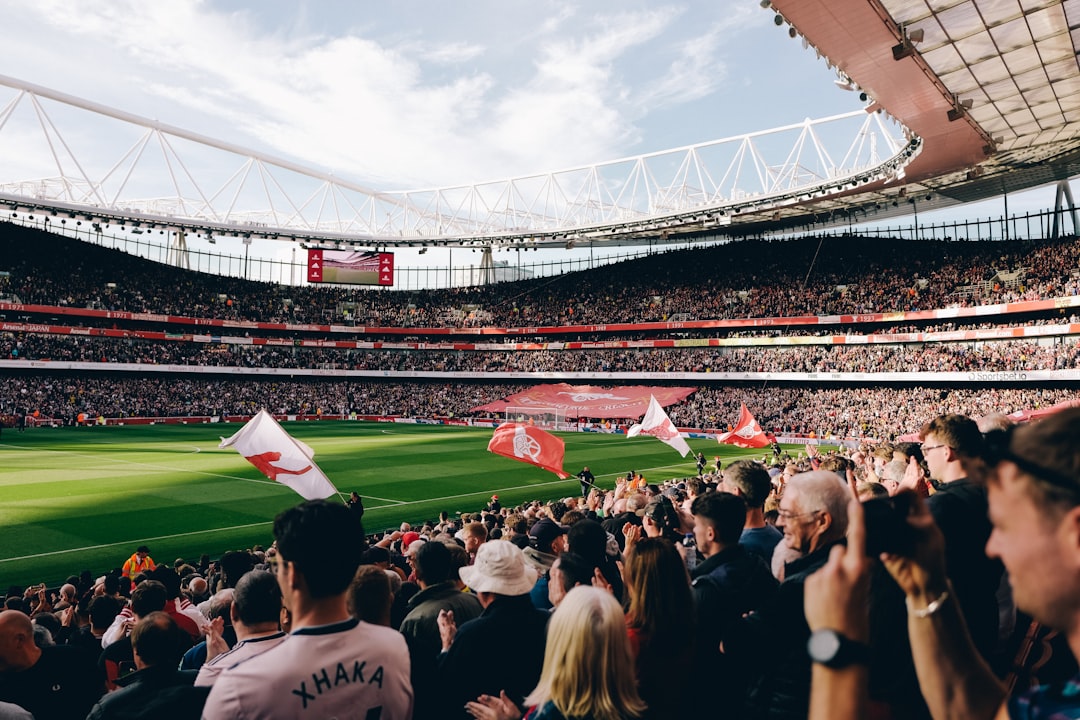
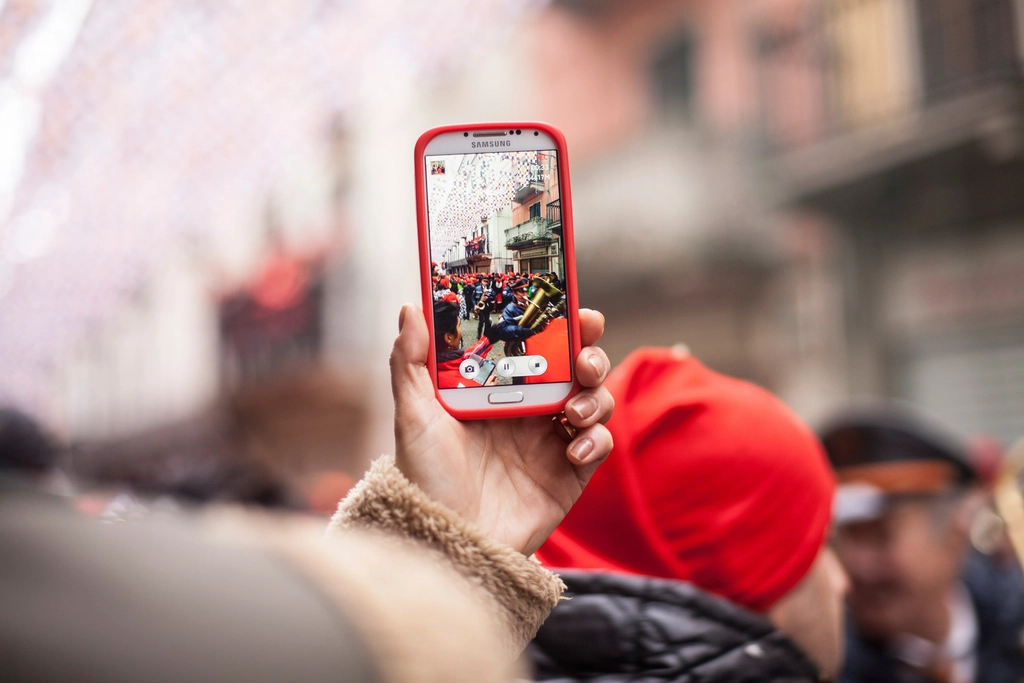
Three things are meaningfully safer. Footage you filmed yourself from the stand is your own recording, though venues frequently impose contractual conditions on filming as a term of entry, so the ticket matters as much as the copyright. Original commentary, analysis and graphics that do not reproduce the broadcast are yours. And material licensed to you, on the terms you were given, is exactly as safe as those terms make it.
What is not safe is the large grey area everybody operates in: short clips posted quickly, deleted when a notice arrives, reposted from a second account. That is a workflow rather than a defence, and it is the ordinary condition of how audiences now share what they watch.
Content matching, and why takedowns arrive so fast
Major platforms operate automated identification systems. Rights holders supply reference files, uploads are fingerprinted and compared against them, and matches trigger whatever policy the rights holder configured for that content in that territory.
The available policies are broader than most users realise. A match can be blocked, or left up with revenue redirected to the rights holder, or left up and tracked without any visible consequence. Choosing between those is a commercial decision, which is why some competitions tolerate clip circulation and others remove it within minutes: they have simply set different policies on the same technology.
The systems are not perfect and they are not judges. They match audio and video patterns, and they cannot assess whether a use might qualify under an exception. That assessment happens later, if anybody disputes the result, and by then the clip has usually stopped mattering. The broader legal framework these systems sit inside is summarised by international bodies such as the World Intellectual Property Organization.
Exceptions, disputes and the limits of both
Every system has exceptions and they are narrower than internet folklore suggests. Some jurisdictions have a flexible fair use style test; others have a closed list of permitted purposes such as reporting, criticism, review or quotation. Which country’s rules apply is itself a question rather than a given.
What the exceptions have in common is that they are assessed on the specific use. Posting a goal because it was a good goal is a use of the material for its original purpose, and that is the least defensible position under any framework. Posting a short excerpt inside genuine analysis, where the clip supports a point being made, is the most defensible, though defensible is not the same as safe. The general shape of these rules is set out in any reference on copyright.
Dispute procedures exist on the major platforms and they have consequences. Filing a counter-claim without a genuine basis exposes the filer to real risk, and a run of upheld complaints against an account leads to termination. Both facts are worth knowing before treating a dispute button as a routine step.
Why the official account can post it and you cannot
The asymmetry is a contract rather than a privilege. An official account posts material its organisation owns or has licensed, on platforms where its rights permit posting, within the windows its agreements specify.
Even then the constraints are visible if you look. Club accounts in some competitions cannot post broadcast footage during a match, only afterwards. Leagues restrict which angles clubs may use. Players operate under their own contractual limits on what they may publish, particularly where a competing sponsor appears in the frame.
Understanding this changes how you read an official feed. What is missing from it is usually not an oversight; it is the shape of somebody’s agreement, and the same pressures are visible in adjacent industries where competitive events are built around streaming from the start and the rights are structured differently as a result.
Practical rules for posting without a strike
Five habits cover most situations, and none of them require a legal opinion.
Post your own material where you can, and be aware that a ticket may restrict filming. Keep licensed and unlicensed material in separate places so you always know which is which. Treat every clip as territory-dependent, and expect the same upload to behave differently for different followers. Build the account so it survives losing any individual clip, which means the value sits in the analysis rather than in the footage. And when a notice arrives, read what it actually claims before responding, because a block, a revenue claim and a formal complaint are three different events with three different consequences.
The underlying point is that the system is not arbitrary. It is a set of commercial arrangements enforced by software, and the software is doing precisely what somebody configured it to do.
Frequently Asked Questions
Does crediting the broadcaster make a repost legal?
No. Attribution is good practice and it is not permission. Some licences require credit as a condition, but crediting material you have no licence for changes nothing about whether you were entitled to use it.
Why do some competitions ignore fan clips entirely?
Because they have decided the promotional value exceeds the cost, and configured their enforcement accordingly. That is a commercial judgement that can be reversed at any time, which is why an account that has posted clips for years can suddenly start receiving complaints.
Is a clip filmed on a phone in the stadium mine?
The recording is yours in copyright terms, but the ticket you bought is a contract and it commonly restricts filming and distribution. Venues enforce this unevenly, and the practical risk is usually to your accreditation or your ticket rather than to the recording itself.
Do the rules change for very short clips?
Not in the way the folklore suggests. There is no universal duration below which copying is permitted. Length is one factor among several in the exceptions that exist, and a short excerpt used to substitute for watching the event is weaker than a longer one used inside genuine analysis.
Why can I watch a clip abroad that is blocked at home?
Because a rights holder exists in your home market and has asked for it to be blocked there, while no equivalent arrangement covers the country you are in. It is the presence of a paying buyer, not the absence of one, that produces the block.
Next time a clip vanishes, check where it still plays. The pattern across countries is a map of who bought what, and it will tell you more about the business of the sport than any announcement the competition puts out.