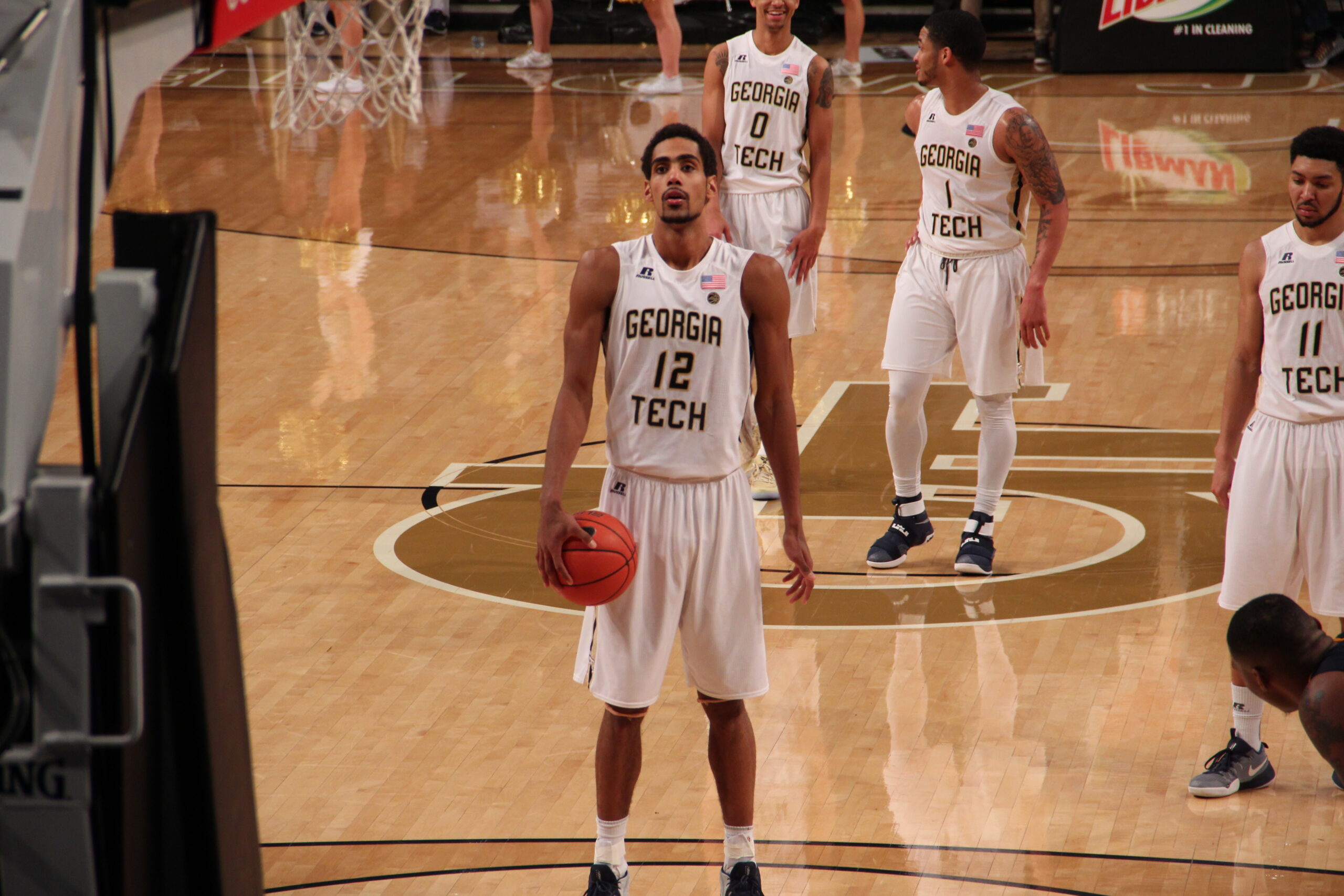
Forty seconds left, seven points down, and a coach starts shouting at a guard to grab somebody. The crowd hates it, the broadcast calls it desperate, and within ninety seconds one of two things has happened: the gap has closed to a single possession, or it has gone from seven to twelve and everybody goes home early.
Both outcomes come from the same decision, and the decision is not a mood. It is a trade with a price on both sides, and the price can be worked out with arithmetic simple enough to do in your head between whistles. What makes it look reckless is that the tactic deliberately increases the range of outcomes, which is exactly what a losing team wants and exactly what a broadcast reads as panic.
The same logic, with different currency, governs the professional foul in football and the deliberate penalty in the American game. In all three, somebody is buying something with a resource that is not points.
The trade in six lines
- What you buy. A possession you would not otherwise have had, and the clock stopping while you get it.
- What you pay. Free throws at whatever the shooter converts, plus a foul against your team total.
- The break-even. Compare the points the free throws are expected to produce against the points a normal possession is worth.
- Why do it anyway. Behind late, you are not maximising points. You are maximising the chance of an unlikely result.
- When it turns negative. When you have enough remaining possessions to cover the gap without buying more.
- The hidden cost. Foul trouble, and the bonus situation that makes every subsequent foul more expensive.
What fouling on purpose actually buys
A team that is behind has one structural problem: it needs more possessions than the opponent, and possessions alternate. Every trip down the floor that ends in a made basket hands the ball back. Every second that passes without a whistle is a second the leading team can spend doing nothing.
Fouling attacks both at once. It ends the opponent’s possession immediately, before they can drain the clock, and it guarantees the ball comes back regardless of what happens at the line. That guarantee is the product being purchased. Without it, the trailing team is dependent on getting a stop, which even a good defence manages only some of the time.
Stated that way, the tactic is not about hoping somebody misses. It is about converting time, which the trailing team has none of, into possessions, which it needs. The missed free throw is a bonus, not the plan.
The three quantities you need first
Three numbers decide every version of this call, and none of them require a spreadsheet.
The first is what a free-throw pair is worth. Two attempts at a shooter who converts seven in ten produce about one and four tenths of a point on average. At six in ten it is one and two tenths. At five in ten it is one. The arithmetic is that direct, which is why the identity of the shooter matters more than anything else in the sequence.
The second is what an ordinary possession is worth. At the professional level, teams score somewhere a little above one point per possession across a season, and the exact figure moves with era and competition. The third is how many possessions remain, which is a function of the clock and how fast the trailing team can score. Every judgement below sits on those three quantities.
Free-throw expectation, and the shooter who decides it
Put the first two numbers side by side and the core of the trade appears. Fouling a shooter who converts seven in ten gives away roughly one and four tenths of a point to obtain a possession worth roughly one and a tenth. That is a loss on every repetition, in the region of a quarter of a point per foul.
Fouling a shooter who converts one in two gives away about a point to obtain a possession worth about the same. That trade is close to free, which is why teams have historically hunted the weakest shooter on the floor rather than whoever happened to have the ball. Several competitions have since added provisions making fouls away from the ball in the closing minutes cost a free throw and the possession, which removes most of the incentive to chase a specific target.
The consequence is that the tactic is worth a great deal against some opponents and very little against others, and the difference is entirely about who is standing on the floor. A leading team with five reliable shooters has effectively immunised itself, and its coach will have arranged that on purpose during the previous timeout.
Possessions gained are fewer than they look
The arithmetic above assumes each foul produces a clean extra possession. It rarely does, for three reasons that compound.
The first is the offensive rebound. A missed second free throw is live, and the shooting team recovers a meaningful share of them, which converts a purchased possession back into nothing. The second is that the trailing team still has to score at the other end, and doing so quickly, under pressure, against a defence that knows a three-pointer is coming, is harder than its season-long numbers suggest.
The third is that fouling takes time. Chasing a ball handler who is running away from you, in a backcourt, with the officials looking for a clean foul rather than a wrap, consumes seconds that were the reason for the whole exercise. Two seconds lost per foul is a large fraction of what the tactic was meant to save.
The margin where the tactic turns negative
The useful way to frame the threshold is per remaining possession rather than in raw points. Divide the deficit by the number of possessions you realistically have left, and the answer tells you what you need per trip.
If the gap is three points and there are two possessions left, you need a three-pointer and a stop and nothing else; fouling adds risk without adding anything you need. If the gap is nine points with three possessions left, ordinary play cannot cover it and the only route runs through extra possessions, whatever they cost. One common rule of thumb puts the switch somewhere around three points of deficit per remaining possession, and treats anything below that as a reason to defend normally.
The point is not the specific figure, which varies with the competition and with who is shooting. It is that the threshold exists and is calculable at the moment of the decision, which is more than can be said for most late-game instincts. Working that out under a hostile crowd is one of the more testable claims made about decision-making under pressure.
Foul trouble as a second currency
Fouls are not free even when the free throws are cheap. Team foul limits mean that once a threshold is crossed, every subsequent foul in the period sends the opponent to the line regardless of what kind of foul it was, including the ordinary defensive contact a team needs to be able to commit.
Individual foul counts matter more. A team that spends its late-game fouls on its best defender loses him for the possessions that follow, and losing a defender in the last two minutes is a larger cost than any of the free throws. Coaches who plan this properly nominate specific players to commit the fouls, usually reserves with fouls to spare and no defensive role in the closing sequence.
There is a version of the tactic used earlier for a different purpose entirely: stopping a clock or halting a run, at a point in the game when the free-throw cost is trivial. Those fouls are cheap because there are many possessions left for the arithmetic to average out over, and the constraint on them is accumulation rather than points.
Where intentional foul strategy stops paying
| Situation | What you gain | What you pay | Verdict |
|---|---|---|---|
| Down nine, forty seconds, poor shooter available | Two or three extra possessions | Around one point per pair | Clearly correct |
| Down three, thirty seconds, opponent has the ball | One possession you already had time for | Up to one and a half points | Usually wrong |
| Down six, two minutes, strong shooting team | Time, mostly | Free throws at a high rate, plus foul totals | Defend once first |
| Down two, ten seconds, no timeouts | Nothing you need | A one-possession game becomes two | Wrong |
| Down twelve, ninety seconds | The only route that exists | Everything, and it is still the best option | Correct, and probably too late |
| Down five, forty seconds, already in the bonus deep | Possessions | Extra free throws on any contact at all | Marginal, decided by the shooter |
The fourth row is the one that costs teams games. Turning a two-point deficit into a four-point deficit in exchange for a possession you were going to receive anyway is a strictly worse position, and it happens most often when a bench has decided to foul before looking at the score.
The tactical foul in football, priced differently
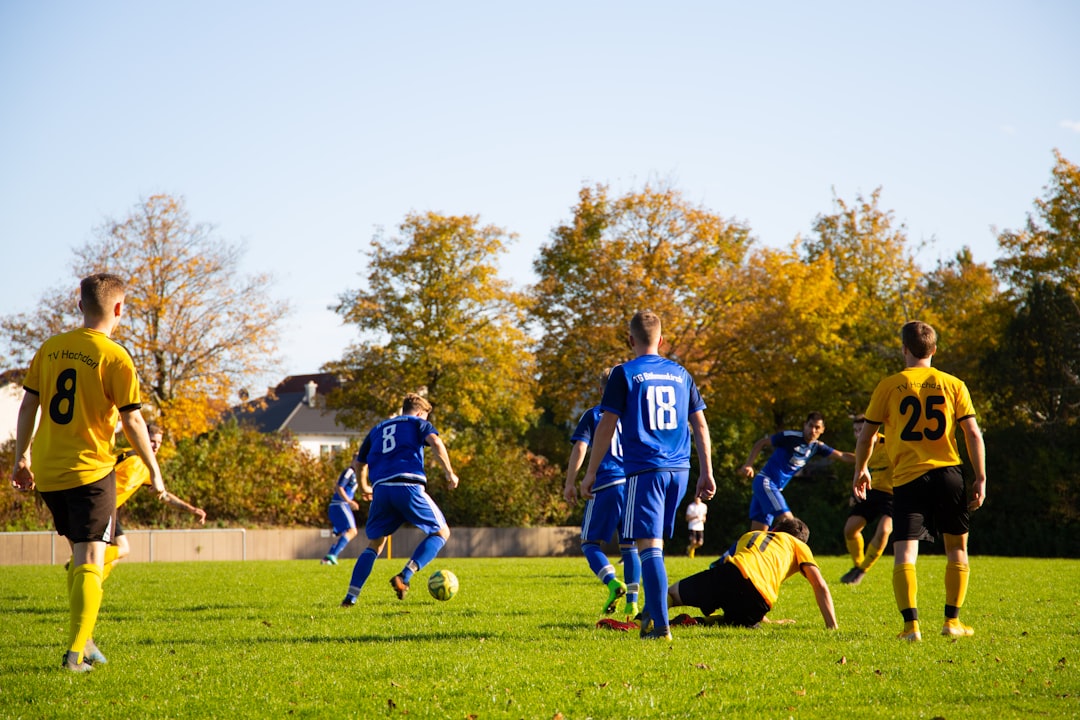
Association football has the same idea with an entirely different currency. A defender who deliberately trips an opponent breaking away is buying time for his team to recover shape, and paying for it in field position, a caution, and risk.
The pricing is set out in the laws. Stopping a promising attack by an offence is a cautionable act, which means the payment is a yellow card and everything that follows from it: a player who cannot commit another one, and a substitution decision forced on the manager. Denying an obvious goalscoring opportunity is priced far higher, with a sending off outside the penalty area and a penalty kick with a caution in most cases inside it. The full definitions are published by the body that maintains the laws and they are more precise than the commentary around them suggests.
What makes the football version harder to judge is that the payment is deferred. A yellow card in the twentieth minute costs nothing on the scoreboard and may cost a great deal in the seventieth. Coaching staffs who plan this assign the risk to players who are least likely to need a second challenge, which is the same logic as nominating a reserve to commit late basketball fouls and is taught the same way in structured preparation work.
Deliberate penalties in the American game
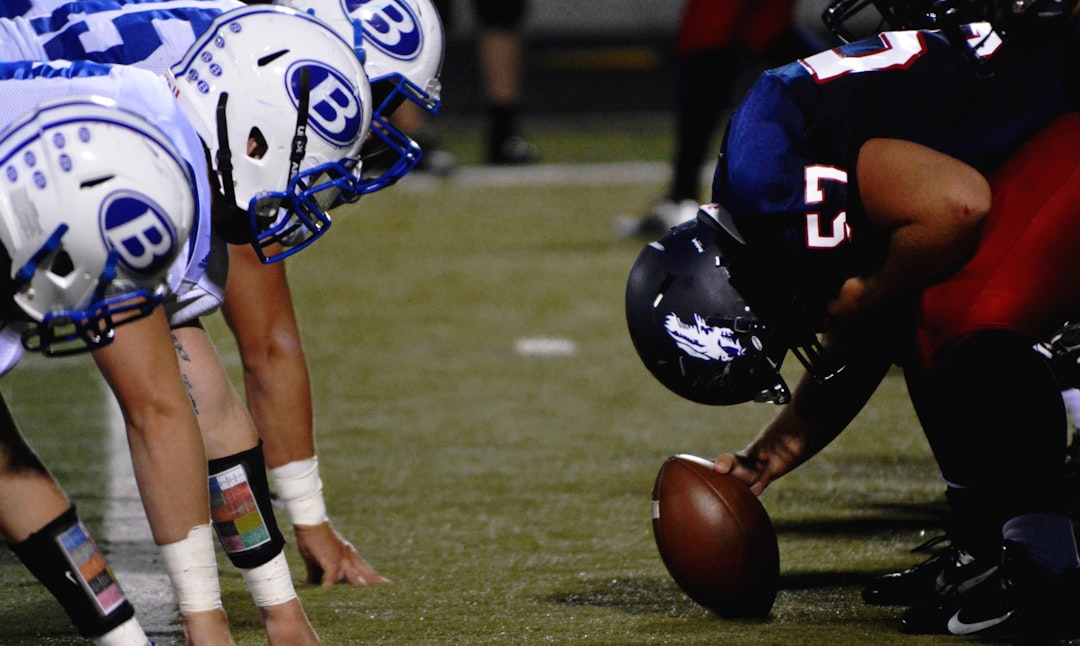
The third version is the least discussed and the most explicitly priced. An offence pinned against its own goal line will sometimes concede a safety on purpose, giving up two points in exchange for a free kick taken from a comfortable position instead of a punt from the back of the end zone. The two points are the fee for field position.
Other deliberate infractions are priced by clock rules rather than yardage. Rulebooks include provisions that run time off the clock when a foul is committed to stop it, precisely because the fouls would otherwise be worth committing. That is a rulebook acknowledging that teams will do the arithmetic, and pricing the option so the answer comes out the right way.
The general principle across all three sports is the same. Where a rule creates an option that can be bought, someone will buy it, and the quality of a rulebook is largely a question of whether the price is set correctly. That is why so many late-game upsets in knockout formats turn on a decision that was made with a calculator rather than a hunch.
Judging the call without looking at the result
A decision that produces a comeback was not necessarily right, and one that produces a blowout was not necessarily wrong. The tactic increases variance deliberately, so both extremes are expected outcomes of a correct call.
Four questions settle it. What was the deficit divided by remaining possessions. Who was available to be fouled and what does he shoot. How many fouls did the team have to spend, and on whom. And was the alternative, defending normally, actually capable of closing the gap in the time available.
If the answers point one way and the coach went the other, the call was wrong regardless of the score. If they point the same way as the decision, the call was right regardless of the score. Judging it any other way is judging the shooting, which nobody controls.
Frequently Asked Questions
Why do teams start fouling so late?
Usually because they are waiting for a stop that does not come. Each possession spent hoping reduces the number of possessions available afterwards, which raises the deficit-per-possession figure and makes the eventual fouling less likely to work. Starting earlier costs more free throws and buys more attempts.
Is deliberately fouling a poor free-throw shooter unsporting?
It is within the rules, and the leagues that dislike it have changed the rules rather than relied on convention. That is the honest test. Where an off-ball foul now costs a free throw and possession, the tactic has been priced out, which is a cleaner solution than asking teams not to use an advantage the rulebook allows.
Does the same arithmetic work in the women’s and college games?
The structure does, but the inputs change. Different bonus rules, different possession values and different free-throw rates all move the threshold, sometimes substantially. Anybody applying a rule of thumb from one competition to another should expect it to be off.
What about fouling when leading?
There is a narrow case for it: leading by three with very little time left, a foul before the opponent can attempt a tie-making shot exchanges a possible three points for at most two. It requires the foul to be committed before the shooting motion begins, and getting that wrong hands over three free throws, which is why many coaches decline it.
Does the tactic actually work often enough to justify itself?
It works rarely in absolute terms, because teams that are far behind late usually lose. The relevant comparison is not against winning, it is against the alternative, and the alternative in those situations wins even less often. A low probability that is higher than the other low probability is still the correct choice.
The next time a bench starts fouling, do the division before forming an opinion. Deficit over remaining possessions, then look at who is shooting. If those two numbers support the call, the noise from the stands is about aesthetics rather than arithmetic.