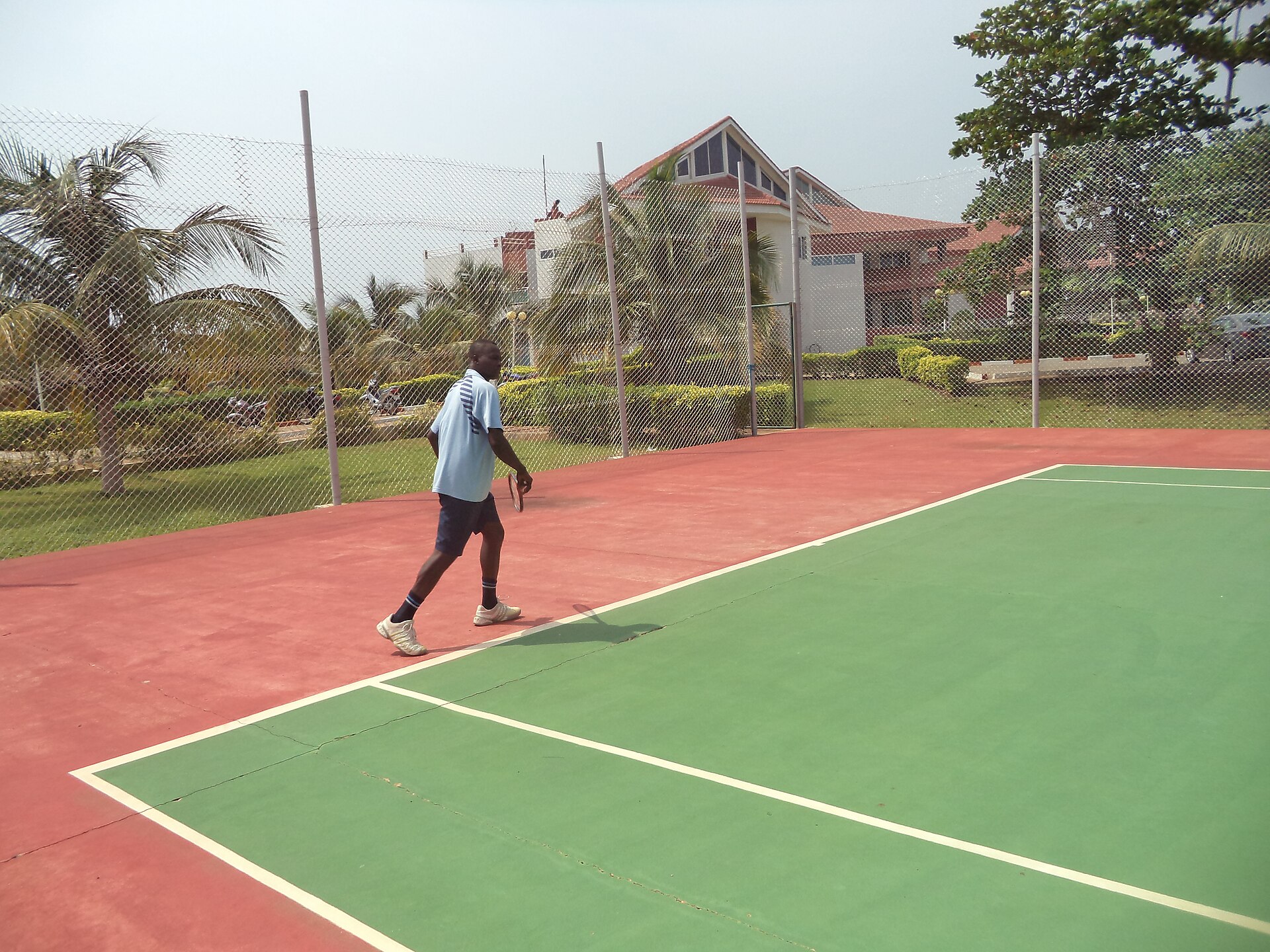
Depth, Angle and the Third Ball Off a Second Serve
Second serve point construction step by step: return position, depth over pace, the third ball decision, and the two placement errors that hand it back.
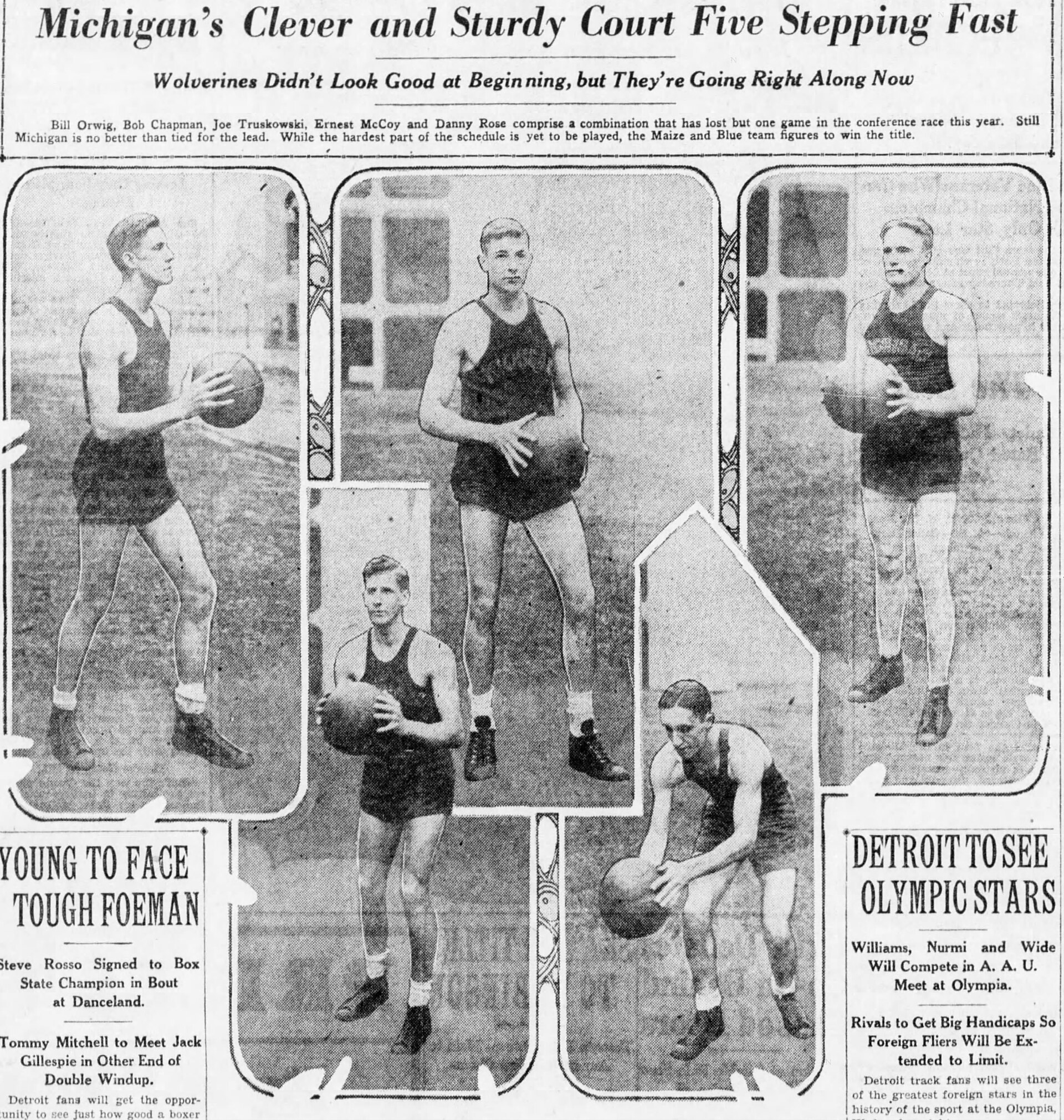
Fast break trailer basketball explained: lane assignments, the drag screen, the trail three, and the low man a well-timed trailer is built to attack.
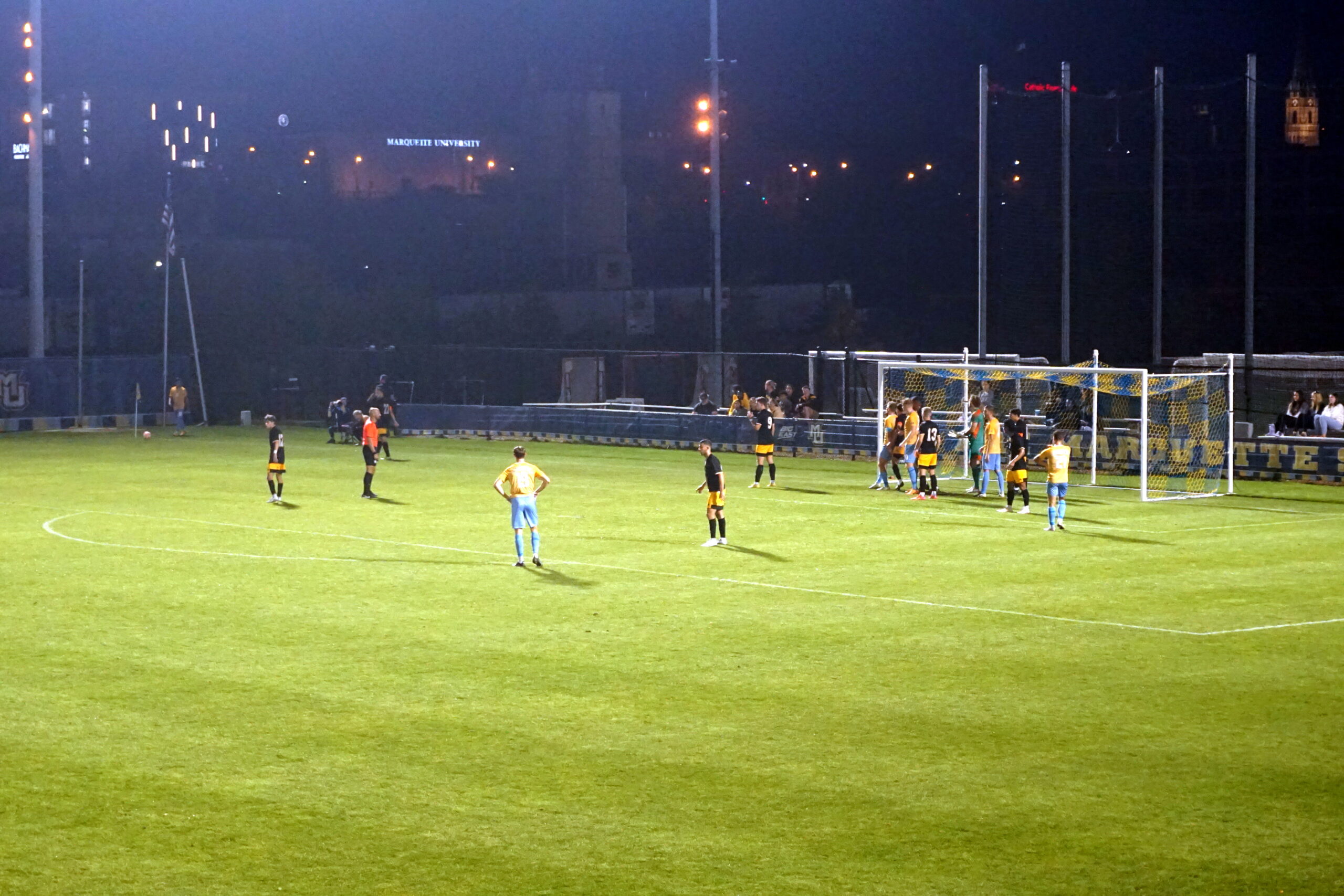
Zonal vs man marking is not a question of which is better. Each system concedes something by design, and blame after a goal usually lands wrong.
A working counter attack structure needs four specific roles inside the first four seconds. Here is what each one owes the move, and where most break down.
The third man run breaks a compact block with three players and two passes. Why the second pass is the hard one, and how defenses are coached to spoil it.
The cutoff and relay throw that beats a runner at the plate is usually decided before the outfielder ever touches the ball. Here is the four-role sequence.
What a rondo drill is meant to train, the four setup mistakes that turn it into a passing circle, and the constraints that put the pressure back in.
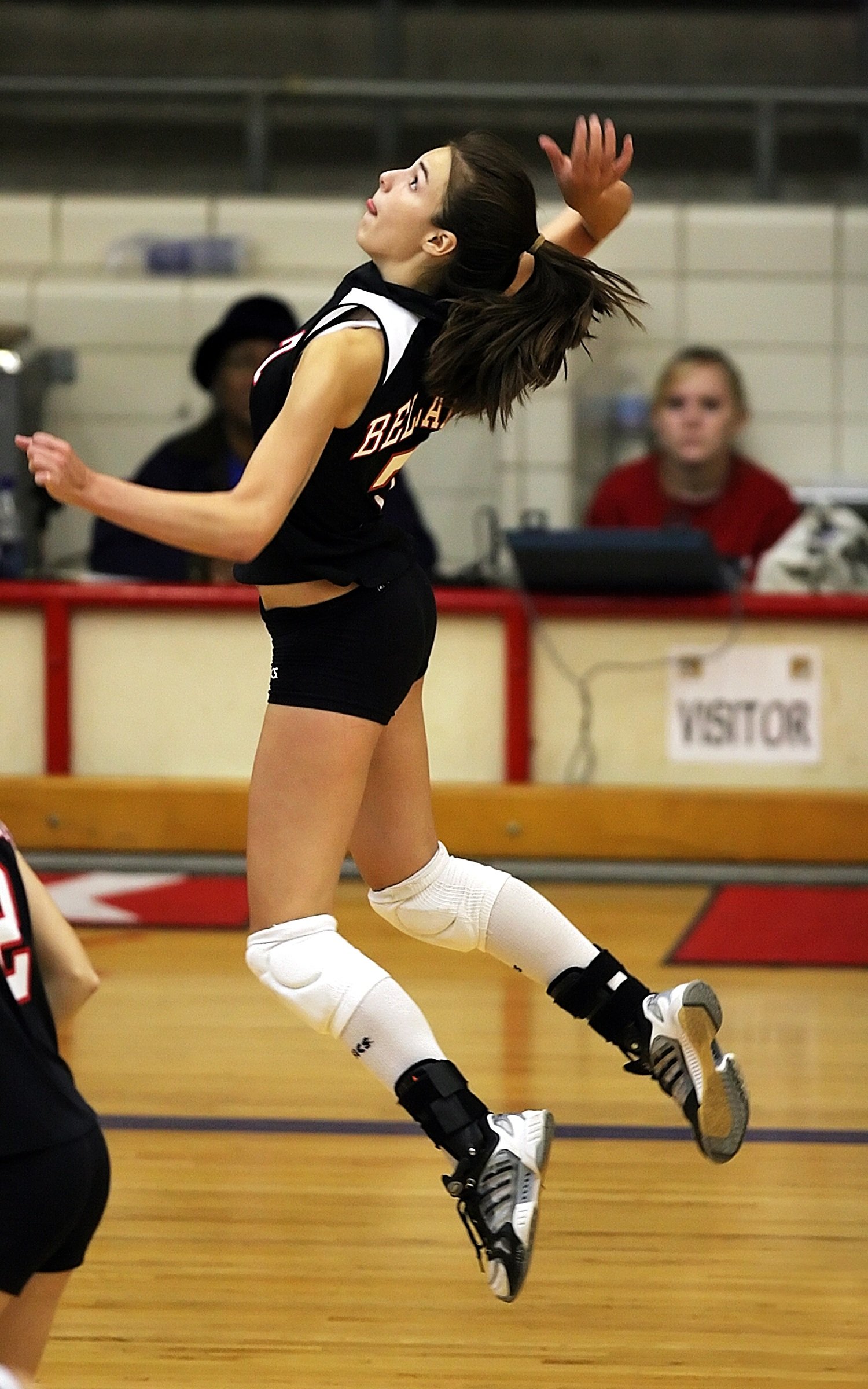
The volleyball slide attack broken into approach, single-leg take-off and tempo, the blocking problem it creates and the two errors that make it defendable.
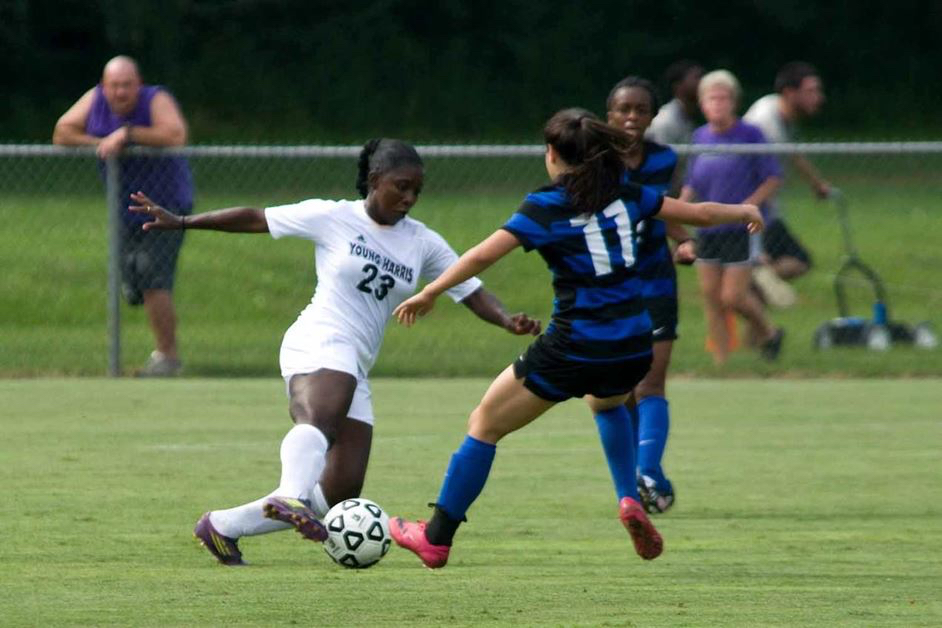
Overlapping and underlapping runs measured on width, timing and risk, plus the build-up shapes and defensive pictures that make one run clearly correct.
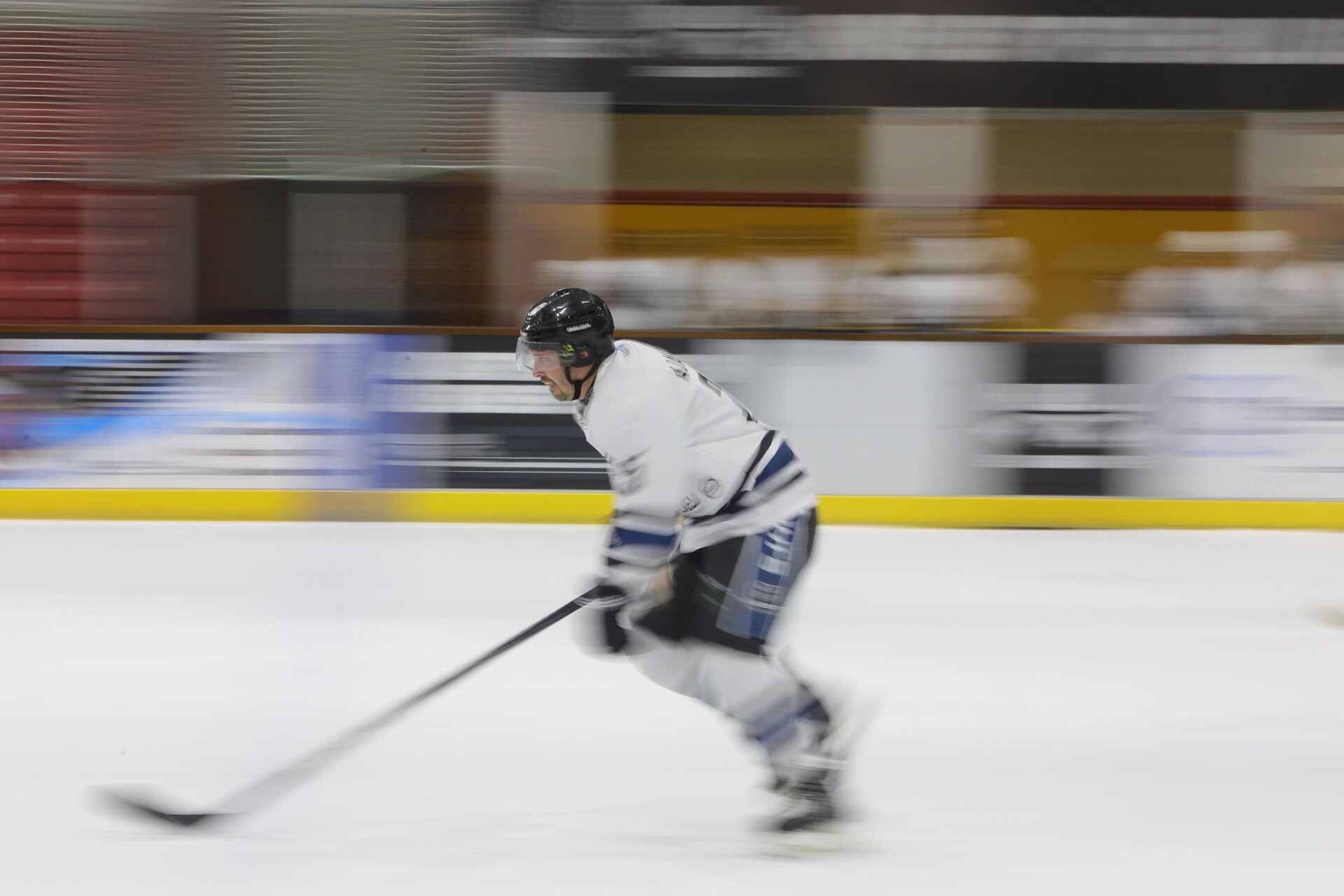
Carry, chip and dump measured on shot generation and turnover risk, and the hockey zone entry situations where giving the puck up is the correct call.