The standard match report formula assumes a winner: state the result, explain the mechanism, trace how the winning side’s plan worked or the losing side’s fell apart. A draw removes the one structural pillar that formula depends on, and a lot of reports about drawn matches read as thin precisely because the writer kept the formula and simply deleted the winner from it.
A drawn match is not automatically a non-event, even though it gets treated as one by default. Plenty of draws contain a clear story: a tactical standoff neither side could break, a match that flipped completely at halftime, a point that means something very different to each side walking away with it.
What follows sets out four structures that hold up for a drawn result, plus the two framing habits that make an otherwise interesting draw read as padding, and a set of headline approaches that describe what happened without inflating a level scoreline into something it was not.
The approach in six lines
- The core problem. The standard win-lose formula has no natural center for a level result.
- The fix. Replace the winner-focused mechanism with one of four alternative organizing ideas.
- Structure one. The tactical stalemate: two setups that canceled each other out.
- Structure two. The two-halves split: a match that was really two different games.
- Structure three. The chance-quality mismatch: a scoreline that undersells one side’s performance.
- Structure four. The unequal point: the same result mattering in opposite ways to each side.
Why a draw breaks the standard match report formula
Most recap structures are built around a single causal question: what did the winning side do that worked. Every paragraph after the opening tends to answer some version of that question, tracing the winning goal backward to the tactical decision or individual moment that produced it.
A drawn match has no equivalent question with an obvious single answer, because neither side’s plan clearly worked in the sense a winning plan did. Writers reaching for the same formula anyway often default to describing the match chronologically without a clear organizing idea, which produces a report that is accurate but shapeless, a list of events rather than an account of why the match ended level.
The same discipline applies whether the preview beforehand promised a classic, as plenty of weekend big-match previews reasonably do, or a routine fixture nobody expected much from. The fix is not inventing drama that was not there. Some draws genuinely are shapeless, low-event matches, and an honest report says so briefly rather than padding it out. Many draws, though, have a real organizing idea available if the writer looks for one of the four structures below rather than forcing the win-lose template onto a result it does not fit.
Four structures that work for a drawn result
Each of the four structures below answers a different question about how the match reached its level score, and picking the right one for a given match depends on what actually happened rather than a fixed preference. A tactical stalemate calls for a different structure than a match that genuinely broke in two at halftime.
The shared discipline across all four is the same one that governs any recap: describe the mechanism, not just the outcome, and support any claim about which side had the better of it with something a reader could verify against the shot count, the territory, or the specific chances created rather than an assertion alone.
Structure one: the tactical stalemate
This structure fits matches where both sides set up specifically to neutralize the other’s main threat, and largely succeeded, producing a result that reflects two coherent game plans canceling each other out rather than either side failing to execute its own.
The report built around this structure spends most of its length on the two competing setups rather than on individual moments, since the story is the standoff itself: which side adjusted first, whether either manager was willing to break the stalemate by taking on risk, and what the eventual level result reveals about the relative caution of both game plans.
Structure two: the two-halves split
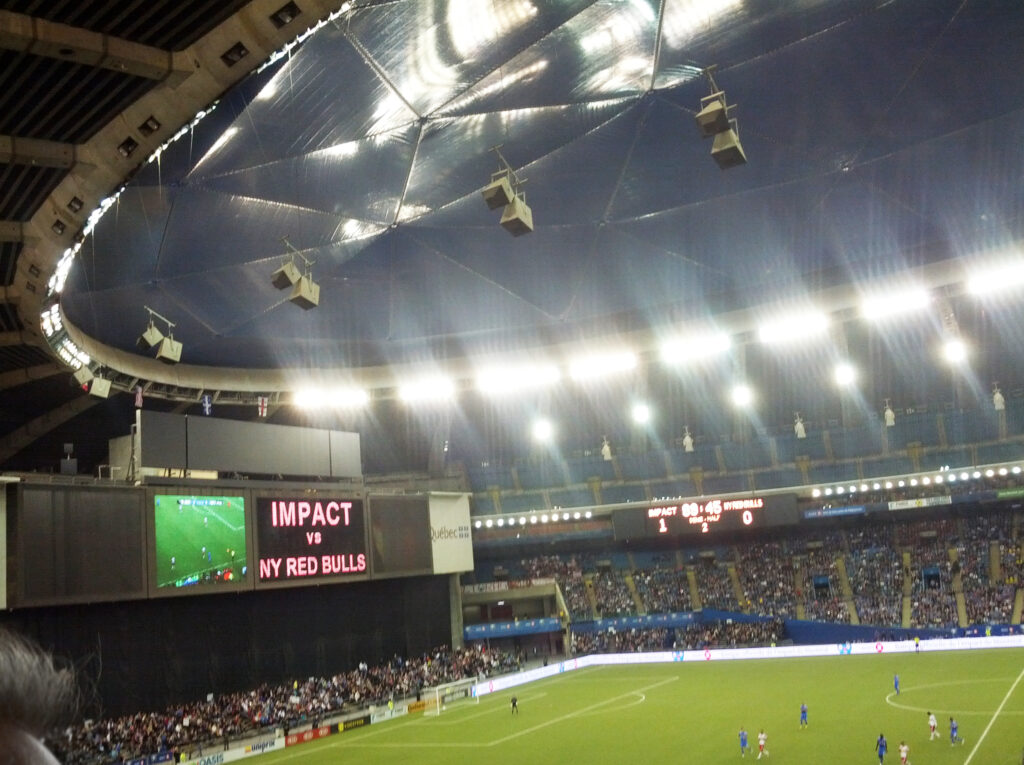
Some draws are genuinely two different matches stitched together by a shared final score, one half dominated by one side and the other by the opponent, with the overall result flattening a story that was anything but flat while it was happening.
Readers who follow week-to-week matchday insight pieces tend to notice this split faster than casual viewers do, since the same teams often show recognizable second-half patterns across a season. This structure treats the halftime whistle as the real hinge of the report rather than a scheduling break, explaining what changed tactically or physically at the interval and why the second half looked so different from the first, which is often more informative than anything about the final scoreline itself.
Structure three: the chance-quality mismatch
A level scoreline sometimes conceals a clear gap in performance, with one side creating several clear chances and finishing none of them while the other rode a single moment of quality or fortune to match the score. This structure exists specifically to correct the impression a bare scoreline gives.
Writing this version well requires more than asserting one side deserved more, which risks reading as opinion. It requires naming the specific missed chances, the quality of each one, and letting the reader judge the mismatch from concrete detail rather than a general claim about who was better on the day.
Structure four: the point that mattered more to one side
The same numerical result can carry entirely different weight for each team depending on league position, recent form or what was at stake, and a report that treats a point as identically valuable to both sides misses what is often the most interesting part of a late-season draw specifically.
Long-running rivalry analysis often makes this same point about stakes better than any single match report can, since context accumulated across seasons rarely fits neatly into one recap. This structure is built around context rather than match action: what did each side need going in, what does a single point change for their position now, and which side’s manager is more likely to describe this result as a good one when asked afterward.
How to write about a draw without padding the middle
Once a structure is chosen, the middle of the report should serve that structure specifically rather than reverting to a chronological account of every notable moment regardless of relevance. A report organized around the tactical stalemate structure, for instance, does not need a full paragraph on a stoppage-time corner that led nowhere.
The discipline here is closer to editing than to reporting: once you know how to write about a draw using one of these four organizing ideas, most of the padding that used to fill the middle of a shapeless recap turns out to be material the chosen structure simply does not need, and cutting it makes the actual story clearer rather than shorter for its own sake.
Two framing errors that make a draw read like a non-event
The first error is treating the absence of a winner as the absence of a story, which produces a report that apologizes for the result before it has even described it, usually through some version of a game that promised more than it delivered. That framing tells the reader the writer found nothing interesting, which is a different claim than the match actually offering nothing.
The second error is the opposite overcorrection: manufacturing drama the match did not contain, describing a cautious, low-event draw as a thriller because a level scoreline feels like it needs compensating for. Readers who watched the match will notice the gap between the description and what they saw faster than almost any other kind of inaccuracy in a recap.
Headline options that do not overclaim
| Structure | Headline approach that fits it | What to avoid |
|---|---|---|
| Tactical stalemate | Name the standoff directly, e.g. two setups, one cautious result | Implying either side dominated |
| Two-halves split | Lead with the turn, e.g. how the second half undid the first | A generic result headline that hides the split |
| Chance-quality mismatch | Reference the gap, e.g. the shots that should have settled it | Stating the mismatch as settled fact without evidence in the body |
| Unequal point | Frame around stakes, e.g. one point, two very different Mondays | Treating the result as equally significant for both sides |
Each of these approaches describes something specific enough to be checked against the report itself, which is the same standard a headline for a decisive result should meet and one a draw does not get to skip simply because the scoreline offers less obvious drama to work with.
A worked example: turning a flat draw into a structured report
Take a scoreless draw between two mid-table sides where the raw event list looks thin: few clear chances, no cards of note, a routine final ten minutes. A chronological account of this match reads exactly as flat as the match itself felt, which is a common trap even for experienced writers working under deadline.
Applying the tactical stalemate structure to the same match changes the report substantially without inventing anything. The lead becomes an account of two specific defensive setups that neutralized each other, the middle traces which manager blinked first by introducing a more attacking substitute, and the report closes on what the scoreless result reveals about each side’s priorities heading into the run of fixtures ahead. The underlying events have not changed. The organizing question asked of them has, and that question is what produces a report worth reading rather than one that merely lists what happened.
What editors should ask for before a draw gets filed
An editor reviewing a draft recap of a drawn match can catch most of the failures described above with a single question asked before publication: what is this report actually about, beyond the fact that neither side won. A writer who cannot answer that question in one sentence has usually defaulted to the chronological, shapeless version this piece is arguing against.
A second useful check is scanning the draft specifically for apology language, phrases suggesting the match failed to deliver a winner, versus specific, checkable claims about what did happen. Recaps that lean on the former tend to be the ones readers describe as forgettable, regardless of how eventful the actual ninety minutes were.
Why the same four structures apply to cup replays and knockout draws
Knockout competitions that allow a draw to stand and force a replay, or that settle the tie on aggregate across two legs, complicate the question of what a draw even means in the moment, since a level scoreline in the first leg is not really a final result at all but a data point in an unfinished story spanning two matches.
The four structures described above still apply, but the unequal-point structure becomes the default lens more often than in a single league match, since a draw in the first leg of a two-legged tie almost always means something different for each side depending on away-goal considerations, aggregate scoring margins, and which team will need to chase the result in the second leg. Writing about this kind of draw without acknowledging that forward-looking dimension misses most of what actually makes the result worth covering at all.
Frequently Asked Questions
Is it ever acceptable to write a short, low-event report for a draw?
Yes, when the match genuinely was low-event. The failure is not brevity itself, it is either apologizing for the lack of a winner or inventing drama that was not there.
How do you decide which of the four structures fits a given draw?
By asking what actually organized the match: a tactical standoff, a clear halftime shift, a scoreline that undersold one side, or unequal stakes for each team. Usually one of the four is clearly the dominant story once you look for it directly.
Should a report state outright which side deserved to win?
Only when supported by specific, checkable detail such as shot quality or clear missed chances. An unsupported claim about who deserved more reads as opinion rather than reporting.
Does the two-halves structure require an exact split at the interval?
No. The shift can happen at any point in the match, most commonly around a substitution or tactical change, and the halftime whistle is simply the most frequent hinge point in practice.
Is it fair to describe a cautious draw negatively?
Describing caution accurately is fair. The distinction is between reporting that both sides played cautiously, which is a factual claim, and dismissing the match as boring, which is closer to a review than a report.
A draw is not a match report’s failure case. It is a different kind of match, and it deserves a structure built for what actually happened rather than a formula borrowed from the nearest result with a winner in it.