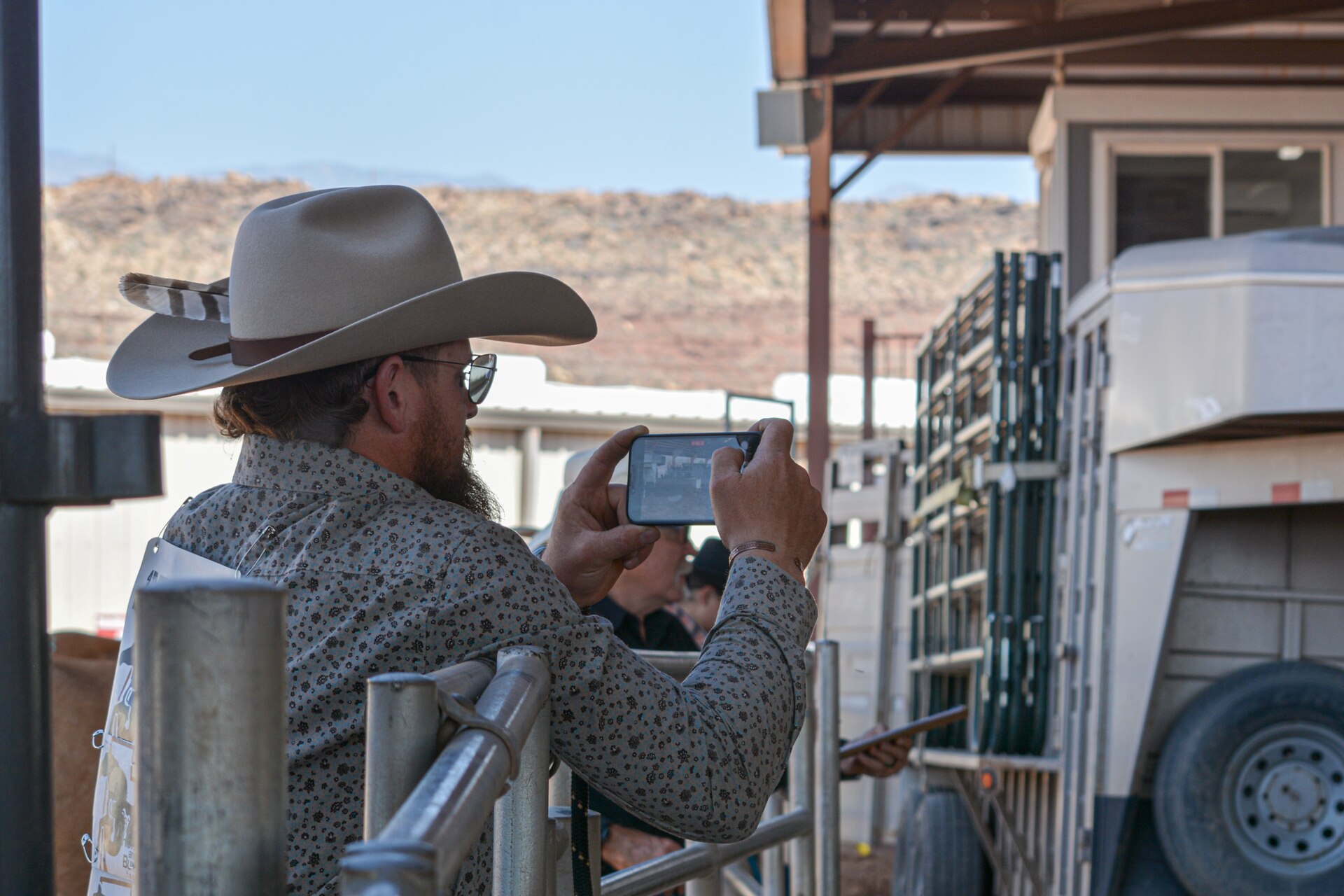
A parent films an entire season of matches from behind the goal, phone held at arm’s length, and ends up with forty clips where the ball is a distant dot and the only clearly visible face belongs to a spectator walking past the lens. None of it is unusable because the parent lacks skill. It is unusable because nobody told them where to stand before the first whistle, and by the time they figured it out on their own, half the season was gone.
Filming youth sports well is mostly a set of decisions made before the match starts, position, settings, and what you have and have not agreed to record, rather than anything requiring expensive equipment or editing expertise. Most of what ruins amateur footage of children playing sport is avoidable with a five-minute checklist run through once, not per match.
What follows is that checklist: where to stand for each common sport, which settings actually matter, what belongs in the audio, how to store what you shoot, and the consent questions that come before any of it, including what should never end up published regardless of how good the clip looks.
The checklist in six lines
- Position. Elevated and central beats low and to the side for almost every field sport.
- Frame rate. Faster than the default helps with contact sports; standard is fine for slower ones.
- Audio. Capture the game sounds, not a running commentary of your own.
- Storage. Back up before the file lives only on one phone.
- Consent. Get it before filming other people’s children, not after a clip is already online.
- Publishing. Injuries, minors’ full names, and school affiliations generally do not belong in a public post.
Where to stand: sideline positions that actually capture play
The single biggest improvement available to most parent and volunteer filmers costs nothing and requires no new equipment: standing higher and more central rather than low and to one side. A position at pitch level directly behind the goal or courtside at floor height captures a wall of bodies with no depth, while an elevated position, even a few rows up in bleachers, separates players and shows the shape of the play rather than a crowd.
For field sports, the ideal position sits roughly at the halfway line, elevated if at all possible, since it keeps both ends of the field in frame without constant panning. For court sports played in a smaller enclosed space, a corner position above head height generally beats a baseline position, which tends to compress the whole court into a narrow strip with players overlapping each other.
Frame rate and shutter settings that matter for youth sports specifically
Most phones default to a standard frame rate adequate for slower-moving sports, distance running, swimming, most of baseball, but visibly inadequate for anything involving fast, unpredictable changes of direction: youth soccer, basketball, and any contact sport benefit noticeably from a higher frame rate setting where the device offers one, since it produces smoother motion and makes any slow-motion review usable rather than choppy.
Shutter speed matters more than most casual filmers realize, particularly on bright days, where a phone’s automatic settings sometimes choose a shutter speed that makes fast motion look strobed rather than smooth. Manually locking a faster shutter speed, where the device allows manual control, fixes this directly and is worth the extra step for any sport involving a moving ball rather than mostly stationary subjects.
Exposure and white balance across a full afternoon of changing light
Outdoor youth sports routinely run through genuinely different lighting conditions within a single match, bright early afternoon sun, a cloud passing over, the flatter light of early evening, and a camera left on fully automatic exposure will hunt and adjust visibly every time the light shifts, producing footage that brightens and dims distractingly through a single clip.
Locking exposure manually once the match has started, and only readjusting it during a natural break rather than mid-play, produces noticeably more usable footage than leaving the camera to readjust continuously. The same applies to white balance on days with mixed light, indoor gyms with both fluorescent overhead lighting and natural light through windows being the most common problem case.
Audio: what is worth capturing and what is not
The ambient sound of a match, a coach’s instructions carrying across the field, the specific sound of contact, a crowd’s reaction, adds genuine value to footage that will actually be watched later, and it is worth pointing a phone’s built-in microphone toward the field rather than toward yourself whenever possible.
What consistently detracts from footage, and is worth actively avoiding, is a filmer’s own running commentary recorded directly into the same microphone, reactions, side conversations with other parents, and criticism of a referee’s decision that becomes permanently attached to the clip. If commentary is wanted, it is far easier to add cleanly in editing afterward than to remove from a single mixed audio track later.
Storage and backup habits before the season starts
The most common way a season of footage disappears entirely is mundane: a phone fills its storage mid-season, footage gets deleted without a backup to make room, or a device is lost, damaged, or replaced without anyone transferring the files first. None of this requires anything more than a habit established before the first match rather than a response after a loss.
A simple weekly transfer to a computer or cloud storage account, done as a standing habit rather than an occasional afterthought, solves nearly all of this. It is worth deciding on that routine before the season starts rather than after the first irreplaceable clip is gone for good.
Consent: what to ask before you film someone else’s child
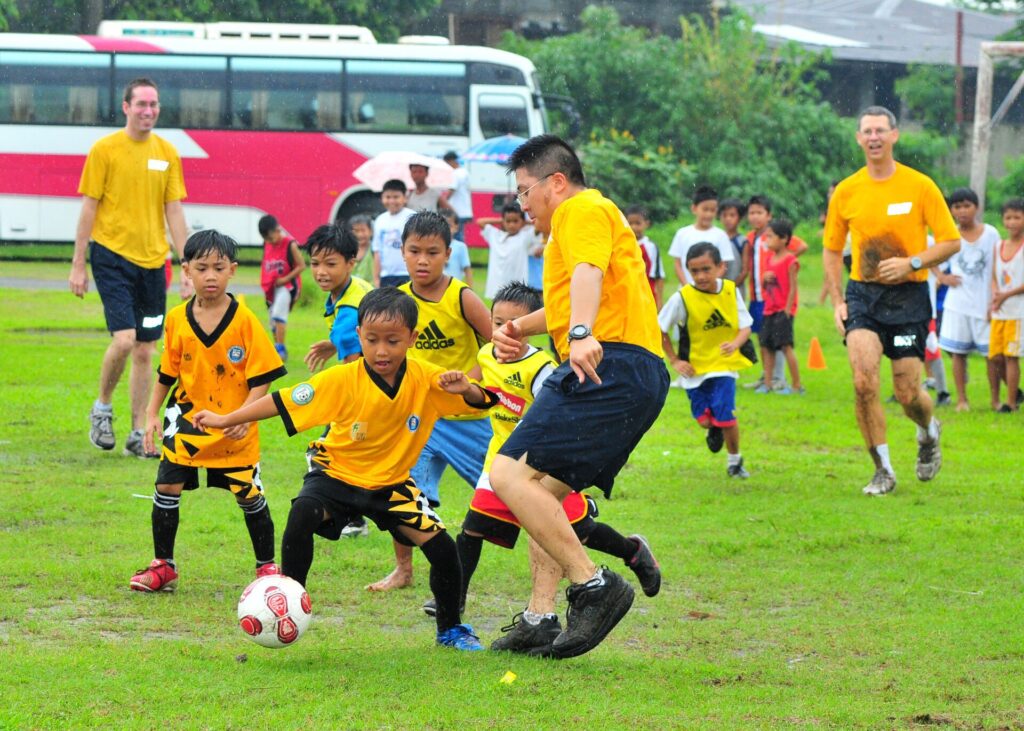
Filming your own child during an organized match generally falls under whatever media policy the club or league has already established for the season, which most clubs distribute to parents at registration and which is worth actually reading rather than assuming. Filming, and especially publishing footage that clearly shows other people’s children, is a separate and more careful question.
The reasonable standard is asking the club or the other families directly before publishing anything beyond private, personal use, rather than assuming a public field means public footage. A closer, more usable angle sometimes unavoidably includes other children in frame, which is normal for private, unpublished footage, but becomes a different question the moment it is posted anywhere another parent has not agreed to.
Filming youth sports: settings by sport
| Sport | Best position | Frame rate priority |
|---|---|---|
| Soccer | Elevated, near halfway line | High, for changes of direction |
| Basketball | Elevated corner, above head height | High, for fast transitions |
| Baseball or softball | Behind home plate, elevated | Standard is usually sufficient |
| Swimming | Poolside, level with the lane | Standard is usually sufficient |
| Track and field | Elevated, along the finish straight | High, specifically for finishes |
The table is a starting point rather than a fixed rule, since venue layout, available elevation, and lighting conditions vary from one facility to the next and often matter more than the sport itself.
What you should never publish
Some categories of footage do not belong in a public post regardless of how compelling the moment looks on review: a visible injury, particularly one involving genuine distress, a child crying or in obvious pain after a hard fall, and any footage clearly identifying a specific child by full name alongside their school or home location.
The same caution applies to footage capturing a referee’s or coach’s clearly identifiable mistake in a way built primarily to embarrass rather than to review play, since that kind of clip tends to circulate well beyond its original intended audience and rarely reflects well on the person who posted it once it does. If a clip would embarrass you to have a stranger show your own child in ten years, it is a reasonable clip to leave unpublished now.
Editing for the athlete, not for social media
The most useful edit for a young athlete’s own development is rarely the most shareable one: full, unedited possessions that show decision-making and positioning matter more for genuine review than a highlight reel of only the best individual moments, even though the highlight reel is what tends to get shared more widely.
Keeping both versions, a full-length file for review and a short highlight cut for sharing, costs little extra effort if the storage habit described earlier is already in place, and it serves two genuinely different purposes rather than compromising on one to satisfy both.
When to hand the camera to someone else
A parent filming their own child inevitably drifts the frame toward that child specifically, following their movement even when the actual play has moved elsewhere on the field, which produces footage that is personally meaningful but often useless for anyone trying to review the team’s actual tactical performance. Recognizing this bias is the first step toward correcting for it, either by consciously widening the frame or by rotating filming duties among a group of parents across a season.
A rotation, even an informal one arranged in a group chat, tends to produce noticeably better footage for the whole team than any single parent filming every match alone, since different filmers naturally follow different children and different aspects of play, and the combined footage across a season covers far more of what actually happened than one person’s camera ever could on its own.
A five-minute pre-season setup that prevents most problems
Most of the habits described throughout this piece take almost no time to establish once, before the season’s first match, and considerably more effort to fix retroactively once a season of inconsistent footage already exists. A short pre-season check covers the essentials: confirm the club’s media policy, agree on a filming rotation if one is planned, set up a weekly backup routine, and test the device’s manual exposure and frame rate controls at least once before relying on them during an actual match.
None of these steps require technical expertise beyond reading a device’s own settings menu once. What they require is doing them before the first whistle of the season rather than reactively, mid-season, after the first batch of unusable or lost footage has already made the case for why the checklist mattered in the first place.
It also helps to write the finished setup down somewhere shared, a single note in a team group chat listing the agreed filming position, the backup schedule, and who is filming which match, rather than relying on everyone remembering a conversation from the first week of the season. A season runs many weeks, coaches and volunteers change, and a written note survives that turnover far better than a verbal agreement made once in August and never revisited.
Frequently Asked Questions
Do I need a dedicated camera to film youth sports well?
No. A modern phone handles most youth sports adequately provided the position, exposure, and frame rate settings are used deliberately rather than left fully automatic throughout the match.
Is it legal to film other people’s children at a public youth sports match?
Filming at a public event is generally permitted, but publishing footage that identifies other children, especially alongside their name or school, is a separate question and should follow the club’s media policy or direct consent.
What frame rate actually matters most for fast sports?
A higher frame rate than a device’s default setting produces smoother motion for fast, unpredictable movement, which matters far more for soccer or basketball than for swimming or distance running.
Should I record my own commentary while filming a match?
It is better avoided during filming itself, since it becomes permanently mixed into the game audio. Adding commentary during editing afterward is easier to control and easier to remove if needed.
What is the single most common mistake in amateur youth sports footage?
Filming from a low, off-center sideline position rather than an elevated, central one, which compresses the play into a crowded, hard-to-follow frame regardless of how good the camera itself is.
None of this checklist requires better equipment than most families already own. It requires deciding on position, settings, and what will and will not get published before the first whistle, rather than working it out clip by disappointing clip across a season.