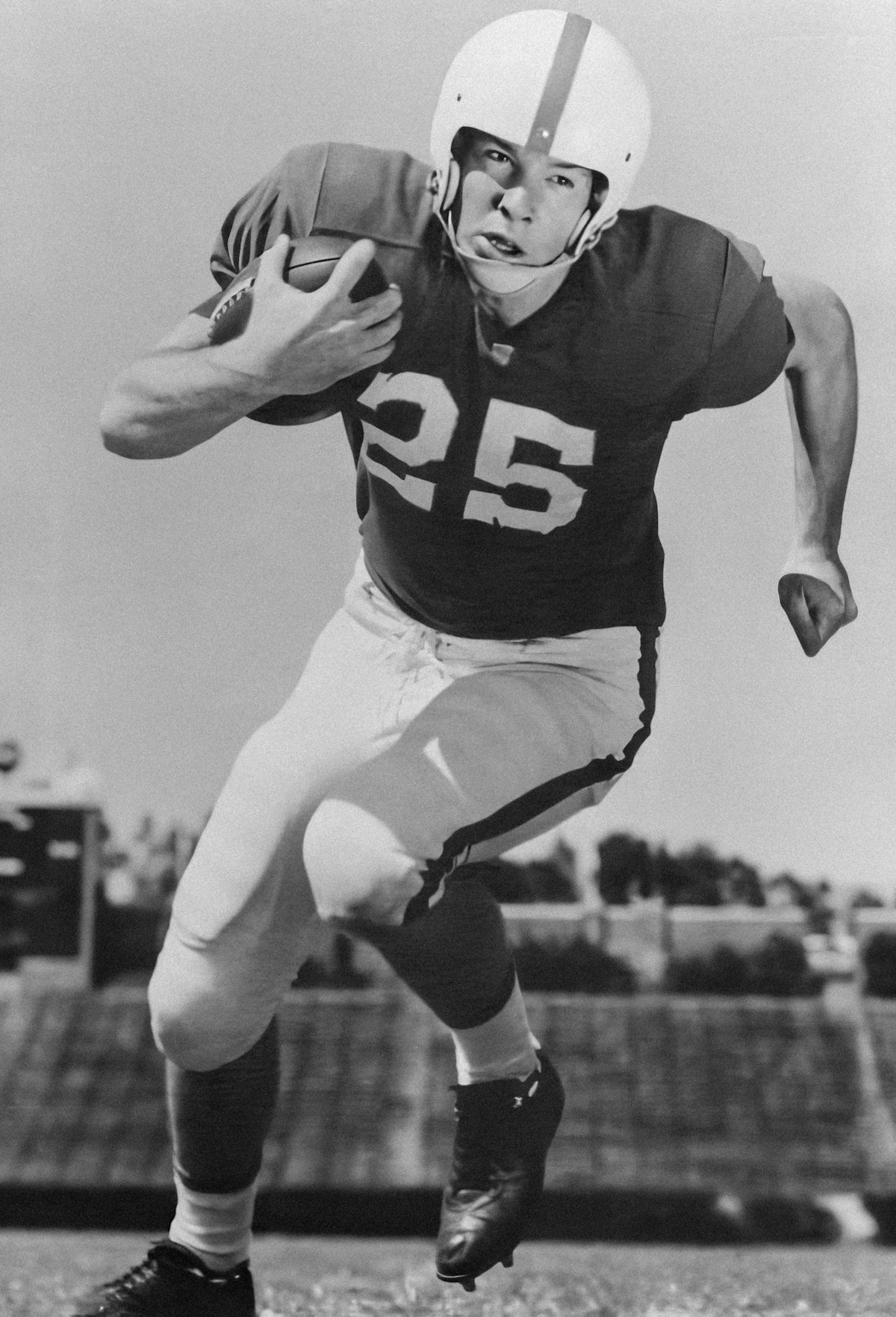
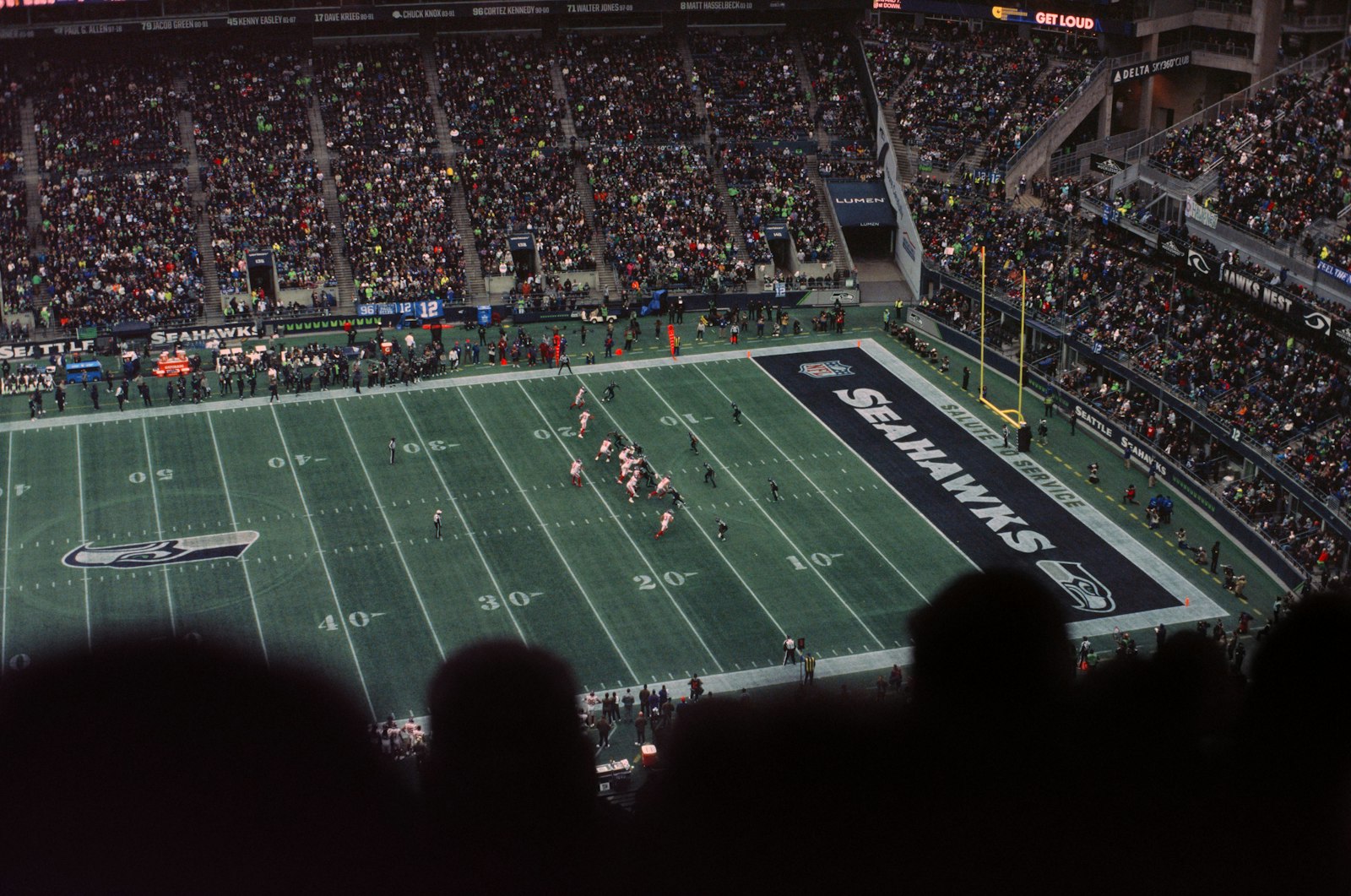
Watch a Super Bowl from 2002 and the in-broadcast graphics will lead with passing yards, completion percentage, and time of possession. Watch the same game in 2026 and the on-screen overlay is more likely to surface win probability, EPA per drive, success rate by down, and a real-time fourth-down decision grade.
The game did not change. The vocabulary did. The Super Bowl in the EPA era is a fundamentally different viewing experience for the analytically engaged fan — not because the action is different, but because the stat language describing the action has migrated several generations forward in the time it takes to brew a pot of coffee at halftime.
The piece below is the working guide to watching the Super Bowl through the modern frame. What to track, what each new metric actually adds, and the short list of moments where the old broadcast graphic would have missed the story.
Quick read: the modern Super Bowl viewing toolkit in 60 seconds
- Win probability updates in real time and shifts visibly on every play of consequence. The graphic is now standard on NFL broadcasts.
- EPA per drive describes how much the drive added or subtracted from expected points. Replaces the old “total yards” frame.
- Success rate tells you how often the offense stayed on schedule. Pairs with EPA to separate consistency from explosiveness.
- Fourth-down decision grades appear within seconds of the play call. Real-time accountability for coaching decisions.
- Pressure rate contextualizes quarterback performance. Critical for fair playoff QB evaluation.
How EPA changed the broadcast itself
Expected Points Added (EPA) — the change in expected points before and after each play — entered mainstream NFL broadcasting around 2018 and became standard by 2022. The metric quantified what coaches and analysts had been saying for years: not all yards are equal, not all turnovers are equal, and not all third-down conversions matter the same.
The on-broadcast effect is concrete. ESPN’s Sunday Night Football, the NFL’s own RedZone product, and Fox’s Super Bowl coverage all integrate EPA-derived graphics by default in 2026. The change is most visible during high-leverage moments. A fourth-and-one near midfield used to produce a graphic showing “TIME OF POSSESSION.” It now produces a graphic showing the win-probability shift if the team goes for it versus punts. The framework on which this all sits lives in our sports analytics field guide, with the EPA-specific deep dive in our success rate vs EPA piece.
The shift was not universally welcomed. Veterans of the broadcast booth disliked the visual clutter; long-time fans complained that the new graphics interrupted the rhythm of watching. By 2024, most of those complaints had subsided. The graphics had earned their place by being usefully informative more often than not.
What to track during the Super Bowl, layer by layer
The table below maps the on-broadcast metrics that matter against what each tells you and when it usually surfaces during a Super Bowl telecast.
| Metric | What it tells you | When it surfaces in the broadcast |
|---|---|---|
| Win probability (live) | How the game state actually shifted on each play | After every meaningful play; updated continuously |
| EPA per drive | Total value the offense generated on the possession | End of each drive, with running total |
| Success rate (by down) | How often the offense stayed on schedule | Halftime stats package; end-of-quarter updates |
| Fourth-down decision grade | Whether the call matched the model recommendation | Within 30 seconds of every fourth-down play |
| Pressure rate (QB) | Whether the QB had clean pockets or scrambled | Mentioned during turnover or sack discussions |
| Air yards (pass play) | Where the pass was thrown relative to LOS | Replay graphics; postgame breakdowns |
| Explosive play rate | Share of plays gaining 15+ yards | End-of-quarter summaries |
The single most useful overlay during the Super Bowl is win probability. A team that punts on fourth-and-one from its own 45 down by three with five minutes left will see a graphic showing a 4-7 point win-probability drop versus going for it. The visualization makes the coaching critique self-evident in real time. Old broadcasts asked the analyst to make the case afterward. New broadcasts make the case during the play call.
The moments the old graphics would have missed
The clearest way to see the analytical shift is to imagine specific Super Bowl moments through both lenses. Three patterns recur.
The conservative punt that the model hates. A coach punting on fourth-and-three from the opponent’s 38 in the third quarter is, by every public model, choosing the lower-win-probability path. Pre-EPA broadcasts called it conservative football. Post-EPA broadcasts surface a graphic showing the cost. The decision did not change. The accountability around it did.
The “good drive” that produced no points. A team that runs 14 plays, gains 70 yards, and settles for a field goal used to be described as having “controlled the ball.” Through EPA, the same drive scores roughly +1.0 EPA — meaningful but well below what the drive’s individual play efficiency would suggest. The gap between “great-looking drive” and “actual scoring outcome” is the kind of story EPA tells faster than the eye.
The single explosive play that flipped a quiet half. A 60-yard touchdown pass on the second-to-last play of the first half can swing win probability by 18-25 percentage points. Old broadcasts treated it as a momentum shift. New broadcasts surface the win-probability change as a number. Both frames are useful. The data version is harder to argue with two days later.
A reading framework for the Super Bowl through analytics
The table below is the version we use to read a Super Bowl after the final whistle. The job is to separate what the winner did from what the model thinks should have happened.
| Question to ask | What it reveals | What it changes about the takeaway |
|---|---|---|
| Which team had higher EPA per drive? | Which offense generated more leverage-weighted production | Identifies whether the score reflects the underlying play |
| Was win probability ever above 80% for the loser? | Whether the result featured a major shift | Suggests a defining sequence to anchor the writeup |
| What was the fourth-down decision record vs model? | How much coaching matched analytical consensus | Surfaces coaching critique with quantitative support |
| What was the average pressure rate against each QB? | Whether the line battle determined the QB performance | Reframes individual QB performance through pocket context |
| Did the winner outperform their season EPA? | Whether the title run featured peak performance | Predicts the sustainability of the team profile next year |
| Where did the explosive plays come from? | Whether scoring was systemic or individual | Distinguishes scheme contribution from talent contribution |
| What was the turnover EPA total? | How much of the result came from variance | Tempers championship narratives if turnover EPA was decisive |
The framework is the version we run before publishing any Super Bowl recap. The careful version distinguishes the result from the process. The lazy version mistakes one for the other and ages poorly within a year.
Where the eye test still beats the analytics overlay
The EPA era did not retire the eye test. Several categories of Super Bowl evaluation still require the tape more than the dashboard.
Defensive coverage and scheme. What coverage did the defense run on the touchdown play? Was it busted Cover 2 or quarters with the safety late? Public data captures very little of this. The broadcast tape, paired with a beat writer’s breakdown, captures all of it. The companion read on balancing data with direct observation lives in our match-reading workflow piece.
Personnel matchups across the trenches. A center who blocked elite on most pass plays but lost a key one in the fourth quarter is a story the broadcast captures and EPA tables under-weight. The fourth-quarter clip will outlast any decimal on the page.
In-game adjustments. Halftime adjustments — when a defense changes its base coverage between halves, when an offense shifts to more 12 personnel, when the play caller leans on a specific concept — show on tape before they show in the data. A careful piece notes both.
For the broader frame on how playoff samples interact with single-game variance, our small samples piece is the next read.
Frequently asked questions
Which stat overlay should I watch most carefully during the game?
Win probability. It updates after every play of consequence and provides the single most informative running summary of where the game stands. The other metrics — EPA, success rate, pressure rate — are useful at end-of-drive and end-of-quarter checkpoints. Win probability is the only one worth tracking continuously through the broadcast.
Do the public Super Bowl analytics agree with the NFL’s internal models?
Mostly. Public versions (rbsdm.com, Pro Football Reference’s win-probability charts, ESPN’s QBR) align with team-level internal models on the major calls. The proprietary versions add details — personnel-specific matchup adjustments, real-time injury input — that public versions cannot match. The qualitative read is the same. The decimal precision differs.
How has the fourth-down conversation changed the Super Bowl specifically?
Super Bowl coaches now go for it on fourth down at roughly twice the rate they did in 2015. The shift accelerated after the 2018 Eagles’ Super Bowl run, in which Doug Pederson’s analytics-driven aggression became the public-facing case study. By 2026, declining a fourth-and-one near midfield in the third quarter draws as much immediate criticism as a missed field goal used to.
Where can I check the live win probability during the game?
ESPN’s broadcast embeds it as a default graphic. rbsdm.com publishes a live win-probability chart during nationally televised games. Pro Football Reference publishes the post-game version of the chart with every play annotated. PFF publishes proprietary versions for subscribers.
The takeaway, in one paragraph
The Super Bowl in the EPA era is not a different game. It is a different broadcast. Win probability, EPA, success rate, and real-time fourth-down grading have replaced the older box-score graphics that dominated the telecast for thirty years. The viewing experience is sharper for the analytically engaged fan and only mildly more cluttered for the casual one. The framework above is what to track during the game and what to read after. For the broader vocabulary this guide sits inside, our sports analytics field guide is the natural companion read.